

Discover 7 essential facts about fungus on skin. Learn the top causes, symptoms, and fast medical treatments to protect your skin.
Introduction
Worried about fungus on skin? Explore the best treatments, causes, and essential prevention tips you need to protect your family today.
If you or a loved one is dealing with fungus on skin, you know how incredibly uncomfortable it can be. The itching, redness, and irritation can make getting through your daily routine a massive challenge. You might even feel self-conscious about how it looks, but you are absolutely not alone in this frustrating struggle.
Fungal infections are very common and can affect anyone, anywhere, at any time of the year. The good news is that understanding what causes fungus on skin is the first critical step toward finding fast and permanent relief. With the right information and habits, you can stop the spread and get your skin feeling completely healthy again.
This comprehensive guide covers everything you need to know about managing and treating these pesky and painful infections. We will break down the best medical treatments, share essential prevention tips, and help you keep your entire family protected all year long. Let us make sure you stay one step ahead of skin issues this season.
What Exactly Is a Fungal Skin Infection?
To truly understand fungus on skin, you first need to know that microscopic fungi live everywhere around us. They exist in the soil, on plants, in the air, and even naturally on the surface of your body. Most of the time, they do not cause any harm at all to healthy individuals.
However, when these tiny organisms multiply too quickly, they can easily cause an irritating infection. Fungi absolutely love warm, damp places to grow, spread, and thrive in large numbers. That is why they often appear in areas where you sweat the most, like between your toes or in hidden skin folds.
When an infection starts, you will usually notice a red, itchy rash that completely refuses to go away on its own. Understanding how these infections begin is essential for knowing how to stop fungus on skin before it spreads to other parts of your body.
Common Causes of Fungal Outbreaks
There are many different reasons why fungus on skin might suddenly appear and cause intense discomfort. One of the most common causes is simply spending too much time in warm, highly humid environments. Sweaty gym clothes, tight shoes, and damp towels left in bags are absolutely perfect breeding grounds for fungi.
Another major cause is walking barefoot in busy public places where fungi naturally thrive and spread easily. Locker rooms, public showers, and swimming pool decks are notorious hotspots for picking up a frustrating infection. Sharing personal items like hairbrushes or wet towels can also quickly pass the infection from one person to another.
Sometimes, your own internal immune system plays a significant role in how easily you catch an infection. If your immune system is weakened from intense stress or illness, your body might have a harder time fighting off fungus on skin naturally.
Recognizing the Symptoms Early
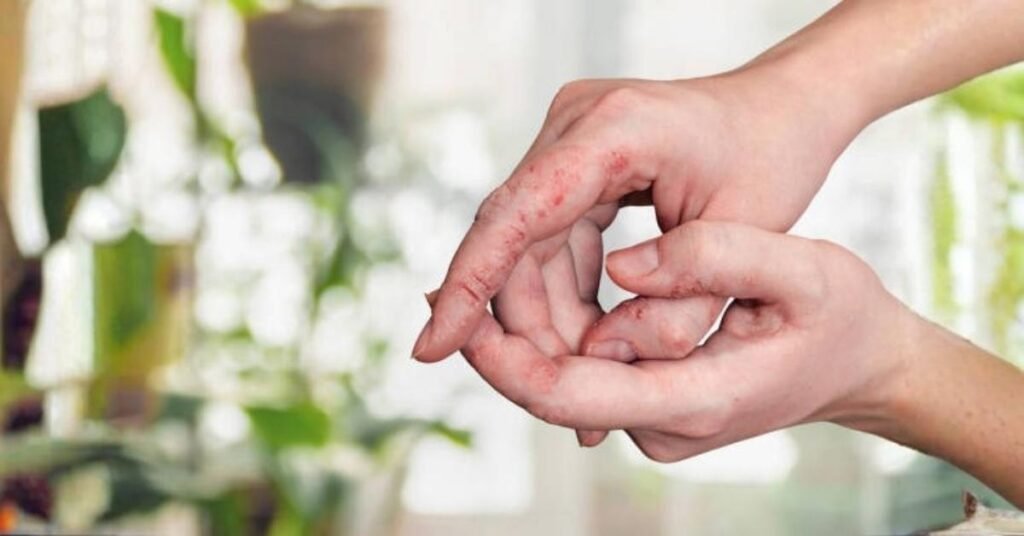
Knowing the early signs of fungus on skin can help you start an effective treatment plan quickly. The most obvious symptom you will see is a red, scaly, and intensely itchy rash on your body. This rash can sometimes form a distinct ring shape, which is a classic and common sign of certain fungal infections.
You might also notice that the affected area quickly becomes cracked, peeling, or even slightly swollen and tender. In some specific cases, tiny, painful blisters might form around the outer edges of the red rash. Over-scratching can cause the area to become raw and painful, causing more complications.
If you notice any of these symptoms, do not ignore them or blindly hope they just magically disappear on their own. Early treatment is always the best way to prevent fungus on skin from spreading and becoming much harder to completely cure.
The Most Common Types of Infections
There are several different types of fungus on skin, and they are usually specifically named based on exactly where they appear. The simple table below outlines the most common ones you might encounter in your daily life.
| Infection Name | Where It Appears | Common Symptoms |
| Athlete’s Foot | Feet and between toes | Peeling, cracking, intense itching |
| Jock Itch | Groin and inner thighs | Red, chafed rash, burning sensation |
| Ringworm | Anywhere on the body | Ring-shaped rash, scaly borders |
| Yeast Infection | Skin folds, armpits | Bright red rash, soreness, itching |
Understanding which specific type of infection you are dealing with helps you accurately choose the right treatment approach. Each type requires slightly different daily care, though the underlying root cause remains highly similar across the board.
How to Treat a Fungal Infection Effectively
When it comes to getting rid of fungus on skin, over-the-counter medical treatments are usually highly effective. Antifungal creams, healing ointments, and drying powders are widely available at almost any local pharmacy. These targeted products work by directly attacking the fungi and completely stopping them from multiplying further.
The treatment must be applied exactly as instructed on the medicine package to achieve the best results. Even if the rash disappears quickly, you should strictly continue using the cream for the full recommended time. Stopping the treatment too early gives fungus on skin a prime chance to return even stronger than before.
If your infection does not significantly improve after a couple of weeks, or if it aggressively spreads, it is time to see a doctor. A trained healthcare professional can easily prescribe stronger oral or topical medications to clear up stubborn infections very quickly.
Best Prevention Tips for Your Family
Preventing fungus on skin is always much easier than trying to treat it after an irritating outbreak occurs. Start by diligently keeping your skin completely clean and thoroughly dry, especially after exercising heavily or taking a warm shower. Moisture is the ultimate enemy, so always towel off thoroughly before putting on any clothing.
Wear the Right Clothing Daily
Choosing the right daily clothes can make a huge difference in effectively preventing uncomfortable infections. Always wear loose-fitting, highly breathable fabrics like pure cotton that allow your sweat to evaporate easily and quickly. Avoid tight, restrictive synthetic clothing that stubbornly traps moisture against your sensitive body all day long.
Be Careful in Public Spaces
Always vigorously protect your bare feet when you are walking in busy, damp public areas. Wear sturdy shower shoes or clean flip-flops in locker rooms, gym showers, and completely around public pools. Never share damp towels, worn shoes, or unwashed clothing with anyone else to prevent fungus on skin from spreading.

Home Remedies: Do They Really Work?
Many concerned people often wonder if home remedies can actually clear up fungus on skin safely and effectively. Ingredients like raw tea tree oil, organic apple cider vinegar, and pure coconut oil are often suggested online as natural, chemical-free cures. While some people find them mildly soothing, they are absolutely not a reliable replacement for proven medical treatments.
Tea tree oil definitely does have some natural antifungal properties, but it must be diluted properly before applying. Using it straight can severely irritate your delicate skin and actually make the entire problem significantly worse. Apple cider vinegar can also intensely sting and painfully burn if carelessly applied to raw, scratched skin.
If you strongly decide to try a natural remedy for fungus on skin, use it extremely carefully and precisely monitor the results closely. If the rash gets noticeably worse or does not quickly improve within a few short days, immediately switch to a proven over-the-counter antifungal cream.
When Should You See a Doctor?
While most standard cases of fungus on skin are relatively minor, some specific situations absolutely require professional medical attention. If the angry rash covers a massive area of your entire body, or if it is spreading rapidly, do not hesitantly wait to see a doctor. Fast, decisive action strongly prevents the infection from getting completely out of hand.
You should also immediately seek medical advice if the affected area becomes unusually warm to the careful touch, starts visibly oozing pus, or if you suddenly develop a high fever. These are serious warning signs that a secondary bacterial infection may have quickly developed from excessive, uncontrollable scratching.
People with severely weakened immune systems, diagnosed diabetes, or chronically poor circulation should always urgently consult a doctor at the first sign of an infection. They are naturally at a much higher risk for severe complications and may strongly need prescription-strength treatments right away.
The Link Between Pets and Skin Fungi
Did you actually know that you can easily catch fungus on skin directly from your beloved family pets? Ringworm is a highly contagious infection and it easily passes back and forth between domestic animals and their owners. Dogs, outdoor cats, and even small caged pets like fluffy guinea pigs can actively carry the invisible fungi hidden on their fur.
If you suddenly notice your furry pet scratching excessively or clearly see bald, scaly, round patches on their skin, take them to the vet immediately. Wash your hands thoroughly with strong antibacterial soap and warm water every single time you handle a potentially infected animal.
To deeply protect your entire family from fungus on skin, vacuum your home floors frequently to reliably pick up infected pet hair and loose skin cells. Until your pet is fully cured, wash their soft bedding in extremely hot water and keep them away from shared furniture.
Diet and Lifestyle Factors
Your daily diet and overall lifestyle can surprisingly affect exactly how often you painfully deal with fungus on skin. Eating a modern diet high in refined sugars and heavy carbohydrates can sometimes actively encourage unwanted yeast and fungal growth deep inside the body. A well-balanced diet reliably helps keep your complex immune system strong and perfectly ready to fight off infections.
High daily stress also plays a absolutely massive role in your overall skin health and healing ability. High stress levels severely weaken your natural immune response, making it incredibly harder for your body to naturally control existing fungal populations. Finding healthy, effective ways to manage daily stress is undeniably vital for your long-term physical health.
Regular physical exercise, getting enough restful sleep, and staying perfectly hydrated all heavily contribute to a incredibly robust immune system. By carefully taking proper care of your entire body, you expertly create an internal environment where pesky fungi strongly struggle to actively survive and stubbornly thrive.

Conclusion
Dealing intimately with fungus on skin is incredibly annoying, but it is also an entirely manageable, temporary situation. By fully understanding exactly what causes these specific infections and accurately recognizing the early symptoms, you can easily take fast action to quickly find sweet relief. Always strictly keep your skin totally clean and completely dry to immediately stop harmful fungi right in their tracks.
Here is a quick, handy recap of the absolute best ways to securely protect yourself:
- Keep your sensitive skin completely dry after warmly showering orheavyy sweating.
- Wear loose, highly breathable pure cotton clothing every single day.
- Always consistently wear sturdy flip-flops in public showers and gym locker rooms.
- Never carelessly share damp towels, used hairbrushes, or personal items with anyone.
- Treat any itchy outbreaks immediately with proven over-the-counter medical creams.
Remember, smart prevention is always remarkably better than a difficult cure. Stick closely to these simple, effective habits, and you will greatly, reliably reduce your chances of dealing with an agonizing, itchy outbreak ever again.
Frequently Asked Questions
Is fungus on the skin highly contagious to others?
Yes, most typical fungal infections are indeed very contagious. You can easily catch them through direct, prolonged skin-to-skin contact with an already infected person. You can also quickly get them by simply touching contaminated wet surfaces like public shower floors or sharing personal items like damp towels and worn clothing.
Is there a time frame for the healing of a fungal infection?
With the correct, proper medical treatment, most painful infections start to visibly improve within just a few short days. However, it usually takes two to four full weeks for the angry rash to completely clear up. Always finish the entire prescribed course of treatment to reliably prevent fungus on skin from aggressively returning.
Can I use regular lotion on a fungal rash?
No, you should strictly avoid using regular moisturizing daily lotions on active fungal rashes. Lotions can trap moisture and easily worsen an existing infection, because fungi thrive in moist, dark environments. As long as the itchy rash does not go away, use only specific antifungal medical creams.
Does poor hygiene cause fungal infections?
While chronically poor hygiene can certainly increase your overall risk, practically anyone can get an infection regardless of exactly how often they frequently shower. Walking barefoot just once in a perfectly clean but damp locker room is enough to easily catch it. Keeping your sensitive skin completely dry is just as incredibly important as keeping it perfectly clean.
Can I go to work or school with a fungal infection?
Yes, you can usually safely continue your normal daily activities if you are actively and properly treating the infection. Strictly keep the affected area completely covered with loose clothing or a secure bandage to reliably prevent spreading fungus on skin to others. Always precisely wash your hands thoroughly after carefully applying your daily medication.

With over 5 years of hands-on experience in the creative arts, I have turned my passion for DIY and home styling into a mission to inspire others. As the lead creator at UnboxTreats, I specialize in the fine details of paper crafting, yarn work, and artisanal candle making. I test every craft and decor trend to ensure you get only the most reliable and creative advice for your home.