
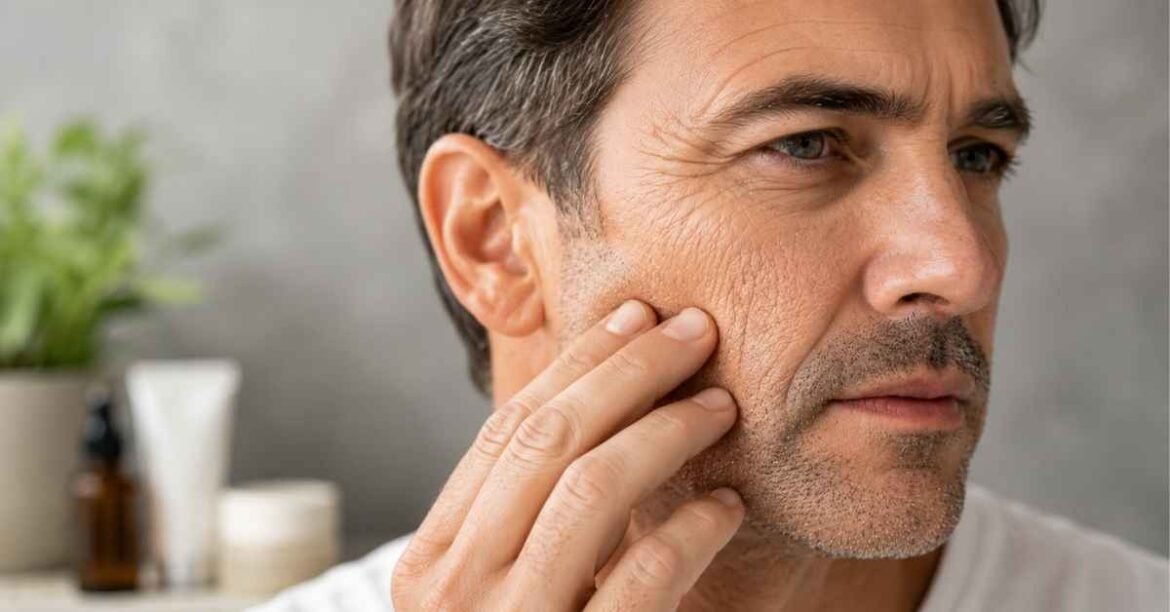
Struggling with thin, wrinkled skin that resembles tissue paper? Discover what causes crepe skin and the best treatments to restore firmness.
Introduction
I remember the morning I noticed it for the first time. I was standing in front of the bathroom mirror after a long summer, and the skin along my upper arms looked different — thin, loosely crinkled, almost like tissue paper. I had heard the term before but never thought it would apply to me so soon. That morning marked the beginning of my deep dive into understanding crepe skin, what actually causes it, and — more importantly — what I could genuinely do to address it.
What surprised me most through my research is how many people share this experience and yet feel entirely alone in it. Crepe skin is remarkably common, and it goes far beyond the surface-level “just use lotion” advice most people receive. According to dermatologists at Cleveland Clinic, this condition stems from real, identifiable biological changes in your skin — and the treatment options available today are more advanced than most people realize.
This article brings together everything I have personally learned about the causes, prevention strategies, and most effective treatments for crepe skin, explained in a way that is practical and genuinely useful rather than overwhelmingly clinical.
What Exactly Is Crepe Skin?
Before anything else, it helps to understand precisely what makes this condition different from ordinary aging or normal wrinkles. Crepe skin gets its name from the delicate, crinkled appearance it shares with crepe paper — that thin, almost translucent tissue with fine, irregular folds running across its surface. When your skin takes on this characteristic look and texture, it typically feels thinner than normal and may droop or sag in areas like the upper arms, around the knees, the neck, the chest, and under the eyes.
Unlike the deeper expression lines around your eyes and mouth that form from years of repeated muscle movement, crepe skin develops when the structural proteins within the skin — primarily elastin and collagen — begin to break down. Elastin is the fiber that allows skin to snap back into place after stretching, much like a rubber band. When those fibers become damaged, stretched, or simply depleted over time, skin loses its ability to fully recover and starts to look permanently lax and thin.
What Causes Crepe Skin?
Understanding the root causes of crepe skin is the first step toward preventing it from worsening and choosing the right treatment approach. There are several key contributors, and most of them work in combination rather than in isolation.
Sun Damage

It is widely recognized by dermatologists as the single most significant cause. Prolonged exposure to ultraviolet rays — both UVA and UVB — actively breaks down elastin fibers in the deeper layers of your skin. Over years and decades, this repeated damage accumulates and eventually overwhelms your skin’s ability to repair itself. Think of a rubber waistband stretched again and again over many years: it eventually loses all its snap and becomes permanently loose.
Natural Aging

It plays a significant role as well. From around your early forties onward, your skin produces dramatically less oil than it did in younger years. These natural oils act as a critical protective barrier, shielding the skin from environmental irritants and locking in moisture. As production drops, skin becomes drier, thinner, and far more susceptible to the appearance of fine texture changes that define crepe skin.
Weight Fluctuations
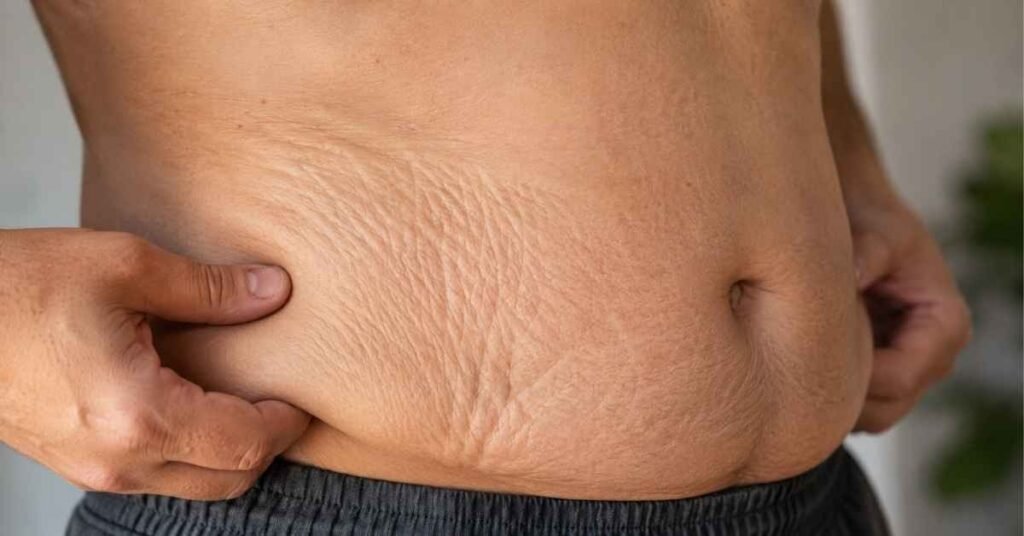
These are another major contributor. When the body gains and then loses significant amounts of weight, the skin stretches and contracts repeatedly. Over time, particularly after large or rapid changes, the skin cannot fully spring back, and that loose, crinkled quality becomes permanent in areas where fat once provided support.
Chronic Dehydration and Dry Skin
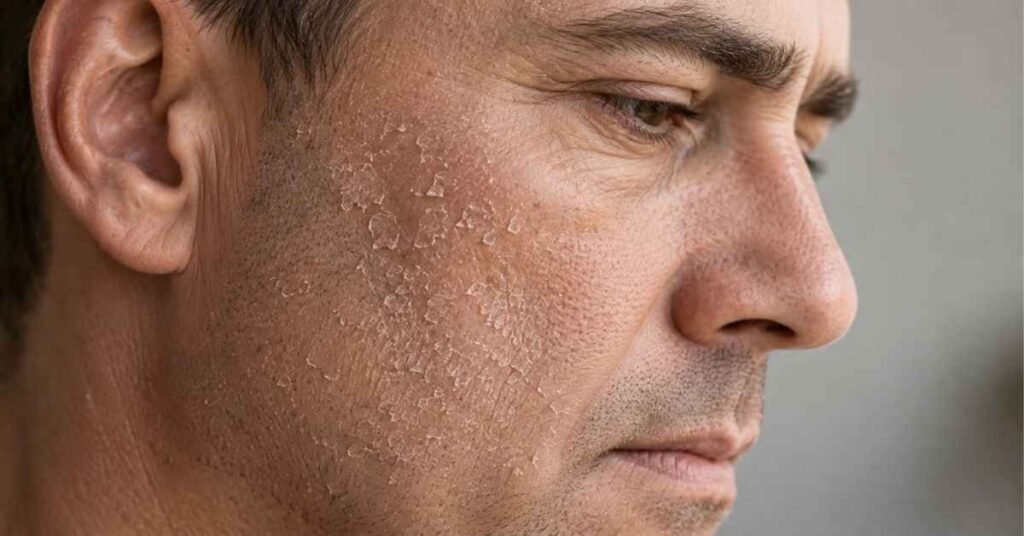
It accelerates the process considerably. Skin that is poorly moisturized is more prone to microscopic injury and inflammation, which speeds up the breakdown of collagen and elastin. According to dermatologist Dr. Amy Kassouf of the Cleveland Clinic, maintaining consistent skin hydration is one of the most effective preventive measures available.
Certain Medications

Particularly long-term use of corticosteroids like prednisone can thin the skin significantly over time. If you take any medications on an ongoing basis and notice progressive skin thinning, this is worth discussing directly with your doctor.
Lifestyle Factors

These, including smoking, excessive alcohol consumption, inadequate sleep, and chronic stress, also contribute to the accelerated breakdown of skin’s structural proteins, worsening the condition more rapidly than age alone would.
Treatments for Crepe Skin
The encouraging reality is that a wide and genuinely effective range of treatments now exists for addressing crepe skin, spanning everything from affordable daily skincare products all the way through to professional cosmetic procedures. What works best depends on the severity of your condition, your skin type, and your personal preferences.
Topical Retinoids
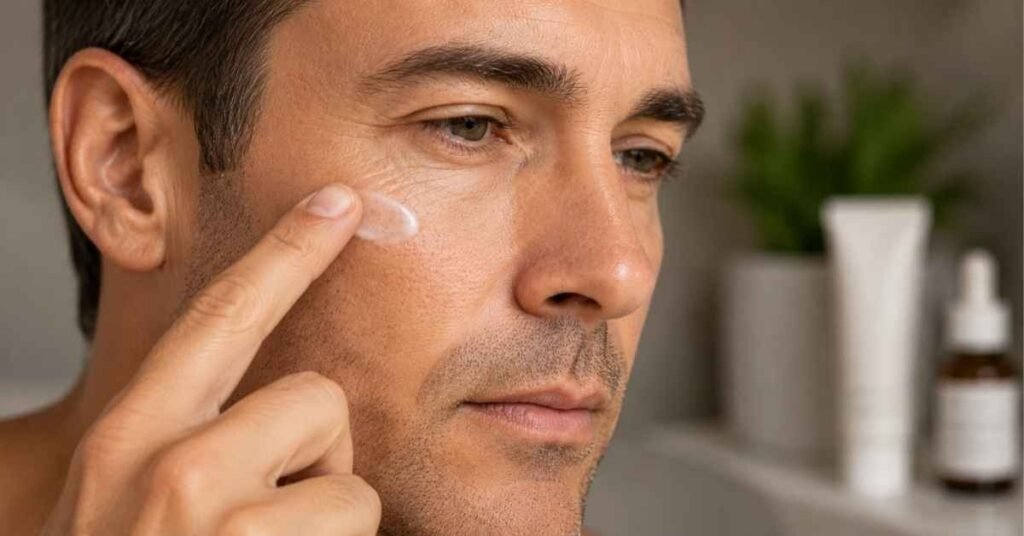
These are consistently recommended by dermatologists as one of the most accessible and effective first-line treatments. Retinol and prescription-strength retinoids work by stimulating collagen production in the deeper layers of skin, gradually improving thickness and texture over several months of consistent use. I started incorporating a nightly retinol serum into my routine and noticed real differences in the firmness of my arm and neck skin within about three months.
Moisturizers with Active Ingredients
These are equally important. Not all lotions are created equal when it comes to improving the texture of crepe skin. The most effective formulas contain ingredients specifically chosen to hydrate deeply and support skin structure: hyaluronic acid plumps and holds moisture within the skin cells, alpha-hydroxy acids gently resurface the outer layer to improve texture, niacinamide strengthens the skin barrier and reduces inflammation, and peptides signal the deeper skin layers to produce more collagen.
| Treatment Type | Active Ingredients | Results Timeline | Cost Level |
| Retinol Creams | Retinol, retinaldehyde | 3–6 months | Low–Medium |
| Moisturizers | Hyaluronic acid, AHAs, peptides | 4–8 weeks | Low |
| Dermal Fillers | Hyaluronic acid (injectable) | Immediate | High |
| Laser Resurfacing | Fractional CO2, Erbium | 1–3 months | High |
| Ultrasound Therapy | Ultherapy (focused ultrasound) | 2–6 months | High |
| Chemical Peels | Glycolic acid, TCA | 4–12 weeks | Medium |
Professional Cosmetic Procedures offer more dramatic and faster results for moderate to severe crepe skin. Fractional laser resurfacing delivers concentrated light energy into the deeper layers of skin, stimulating significant collagen regeneration and noticeably tightening lax tissue. Ultrasound-based treatments like Ultherapy use focused sound wave energy to reach and heat the deepest structural layer of the skin — the same layer surgeons target during a facelift — triggering powerful tightening and lifting over several months following the session.
Injectable Fillers made from hyaluronic acid restore lost volume beneath the skin surface, which plumps and smooths the crinkled appearance from underneath. While they do not rebuild elastin directly, the structural support they provide creates an immediate and often dramatic visual improvement, particularly in areas like the hands, arms, and neck.
How to Prevent Crepe Skin From Worsening
If you already notice the early signs of crepe skin or want to protect your skin before significant changes occur, consistent preventive habits are genuinely powerful. Sun protection is the single most important step you can take. Dr. Kassouf recommends applying a broad-spectrum sunscreen of at least SPF 30 — preferably SPF 50 — every single day, regardless of whether you plan to be outdoors. UV damage accumulates even through car windows and on overcast days.
Drinking enough water every day, applying high-quality moisturizer twice a day, keeping a stable weight through gradual rather than rapid changes, and avoiding smoking can all help slow down the progression of skin thinning and laxity.
Eating a diet rich in antioxidants — particularly vitamins C and E — also directly supports collagen production and helps protect existing elastin from environmental damage. Foods like citrus fruits, berries, leafy greens, and nuts work from the inside to support what your skincare products are doing on the outside.
My Personal Takeaways
Living with crepe skin is something millions of people navigate quietly every day. The most important thing I hope you will learn from everything I have learned and experienced is that it is never too late to start protecting your skin and improving it. Whether you choose to begin with an affordable retinol cream and a better moisturizer, or consult a dermatologist about professional treatment options, meaningful progress is absolutely achievable.
The skin you have today is the same skin you will carry with you for the rest of your life — and it deserves consistent, informed, and compassionate care.
FAQs
1. At what age does crepe skin typically start to appear?
Most people begin noticing changes in their 40s, when natural oil production declines significantly. However, those with a history of heavy sun exposure, tanning bed use, or significant weight loss can see early signs as young as their late 20s or 30s.
2. Can crepe skin be reversed naturally?
While natural skincare habits can improve the appearance and slow further deterioration, significant reversal typically requires consistent use of active topical ingredients like retinol and peptides, or professional dermatological treatments. Complete reversal without professional intervention is unlikely in moderate to severe cases.
3. Is crepe skin the same as loose or sagging skin?
They are related but different. Sagging skin typically involves larger areas of volume loss, while crepe skin is specifically characterized by fine, thin, crinkled texture caused by elastin and collagen breakdown rather than volume loss alone.
4. Does drinking more water really help with crepe skin?
Adequate hydration supports overall skin cell function and helps maintain the skin’s natural plumpness. While water alone will not rebuild broken-down elastin, chronic dehydration noticeably worsens skin texture and accelerates the crinkled appearance.
5. How long does retinol take to improve crepe skin?
Most dermatologists advise patients to use retinol consistently for at least three to six months before expecting visible improvement in skin texture and firmness. Starting with a lower concentration and gradually increasing helps minimize irritation for sensitive skin types.

With over 5 years of hands-on experience in the creative arts, I have turned my passion for DIY and home styling into a mission to inspire others. As the lead creator at UnboxTreats, I specialize in the fine details of paper crafting, yarn work, and artisanal candle making. I test every craft and decor trend to ensure you get only the most reliable and creative advice for your home.