
Curious about skin tag causes? Here are the 6 medically backed reasons they form, plus safe dermatologist removal tips.
Introduction
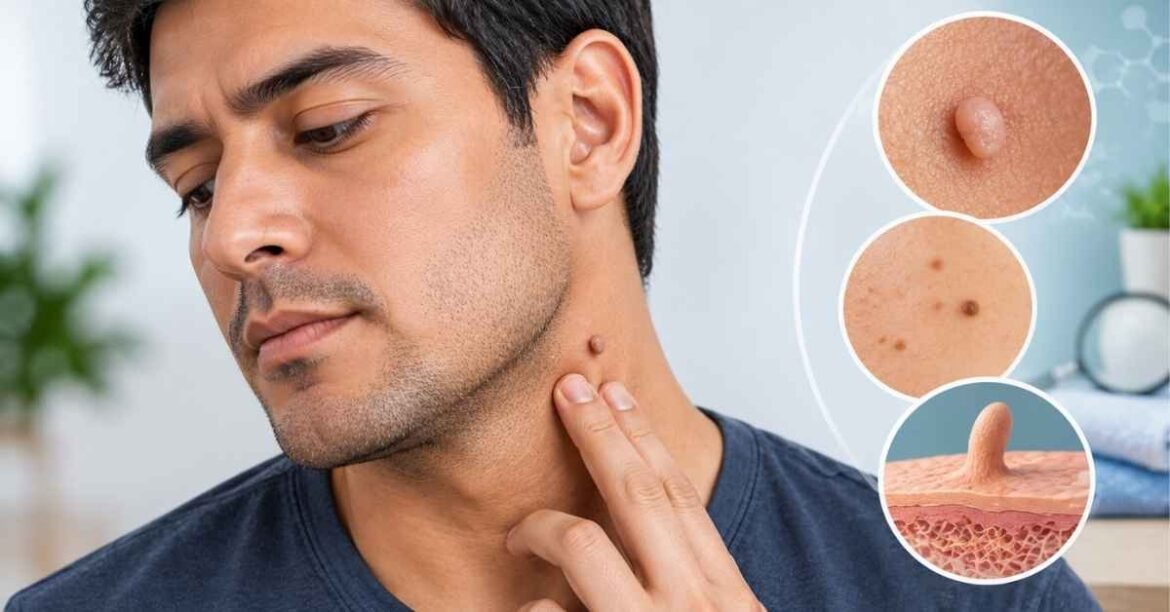
A few years ago, I noticed a tiny, flesh-colored flap of tissue tucked along the side of my neck where my favorite gold chain usually rested. At first, I paid little attention to it, assuming it would simply go away on its own. Within a few months, however, I spotted two more near my armpits. Like millions of people who notice these harmless soft growths for the first time, I found myself sitting up late at night wondering what had suddenly triggered them. Digging into authoritative medical research from the American Academy of Dermatology and the Cleveland Clinic completely changed how I understood skin tag causes.
It turns out that skin tags — clinically known as acrochordons — are remarkably common, affecting roughly half of all adults at some point in their lives. While these small, pedunculated growths are entirely benign and harmless, learning about skin tag causes helped me make sense of why they form, why certain body areas are more prone to them, and how simple lifestyle adjustments can reduce new ones from popping up. If you are currently dealing with new growths and seeking clear medical answers, here are the core facts I learned about skin tag causes.
1. Constant Skin-on-Skin Friction

The single most common culprit behind acrochordon growth is physical friction. When skin repeatedly rubs against itself, clothing, or tight jewelry, the continuous mechanical irritation stimulates an overproduction of tissue in the uppermost skin layers. This explains why tags cluster so frequently in natural folds like the armpits, neck, groin, eyelids, and directly beneath the breasts.
When I evaluated my own routine, I realized that my high-collared shirts and heavy necklaces were creating constant friction along my neck throughout the workday. Understanding how friction acts as one of the primary triggers allowed me to adjust my wardrobe choices. Switching to softer fabrics and looser collar fits helped prevent new irritation points from developing in those high-friction zones.
2. Insulin Resistance and Blood Sugar Changes
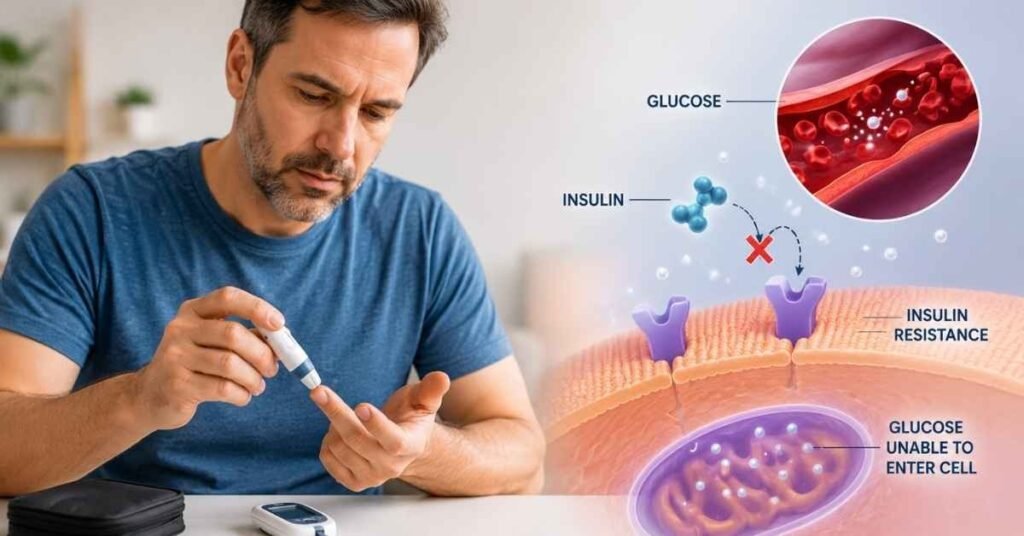
One of the most surprising facts I uncovered during my research is the strong connection between metabolic health and skin growth. Clinical studies highlighted by major medical centers show that elevated insulin levels stimulate cell proliferation in the skin. When your body develops insulin resistance, excess insulin circulates in your blood and triggers rapid growth in the epidermis.
For many people, discovering these underlying skin tag causes serves as an early warning signal for prediabetes or metabolic syndrome. Dermatologists frequently notice that patients with multiple acrochordons also show signs of insulin resistance, such as dark velvety patches of skin known as acanthosis nigricans. Discussing these metabolic triggers with a healthcare provider can prompt helpful routine blood work to evaluate fasting glucose levels early.
3. Weight Gain and Higher Body Mass Index

Weight fluctuations and carrying extra body weight play a significant dual role in how these benign growths develop. First, excess weight increases the number and depth of skin folds across the body, creating additional areas where skin naturally rubs together during everyday movement. Second, weight gain is closely linked with altered metabolic hormones that promote tissue growth.
Understanding weight management as part of broader skin tag causes helped me approach my personal wellness goals with a fresher perspective. Maintaining a balanced diet and staying physically active not only improves cardiovascular health, but it also minimizes the metabolic environment and physical friction that encourage new growths from forming over time.
4. Hormonal Shifts During Pregnancy

It is extremely common for pregnant women to notice a sudden crop of new growths appearing during their second and third trimesters. Hormonal surges — particularly rising levels of estrogen, progesterone, and human placental lactogen — act as powerful growth factors that stimulate epidermal cell expansion.
Additionally, rapid body changes during pregnancy create new areas of friction along the ribcage, underarms, and inner thighs. Recognizing hormonal surges as natural skin tag causes during pregnancy brings reassurance, as many of these temporary growths shrink or become less noticeable after childbirth once hormone levels stabilize.
5. Genetic Predisposition and Family History

If your parents or siblings have numerous skin tags, there is a strong probability that you will develop them as well. Genetics influence how sensitive your epidermal cells are to growth factors, friction, and hormonal signals. Certain hereditary conditions, such as Birt-Hogg-Dubé syndrome, are also directly associated with multiple acrochordons.
While you cannot rewrite your DNA, acknowledging genetic factors within skin tag causes prevents unnecessary self-blame. Knowing that your skin has a natural genetic tendency toward developing benign growths allows you to focus on managing controllable risk factors like friction and metabolic health instead.
6. Natural Aging and Cellular Changes
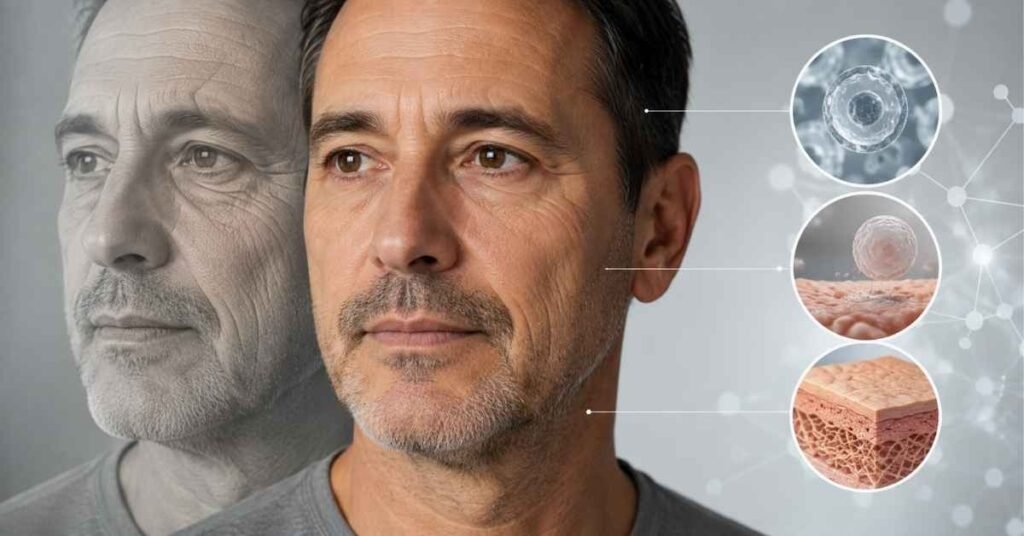
As we age, our skin undergoes structural shifts. The elastin and collagen fibers that provide skin elasticity gradually break down, making the skin looser and more susceptible to folding and chafing. Most people begin noticing their first acrochordons after turning forty, and the likelihood of developing them increases steadily with each passing decade.
Age-related tissue loosening ranks high among recognized skin tag causes. While aging is an unavoidable biological process, keeping the skin well-hydrated, protected from environmental stress, and free from harsh chafing can minimize irritation in mature skin folds.
Why Professional Removal Beats DIY Attempts
Once I understood the medical realities behind skin tag causes, my next question was how to safely remove the ones I already had. I saw endless over-the-counter creams, removal bands, and home remedies advertised online, but dermatologists strongly advise against DIY removal. Attempting to cut or burn off a tag at home carries a high risk of severe infection, uncontrollable bleeding, permanent scarring, and incomplete removal that causes the growth to return.
Furthermore, trying to treat a growth yourself can be dangerous if what you have is actually a mole, wart, or early-stage skin cancer rather than a benign tag. A certified dermatologist can accurately evaluate the tissue and remove it in seconds using safe, in-office procedures such as cryotherapy (freezing with liquid nitrogen), electrocautery (burning), or surgical excision with sterile instruments.
Conclusion
Learning about skin tag causes helped me demystify a frustrating cosmetic issue and take proactive control of my skin health. By reducing unnecessary friction, supporting metabolic wellness, and consulting a dermatologist for safe removal, you can easily manage these common growths. Recognizing the underlying skin tag causes gives you the knowledge needed to keep your skin feeling smooth, comfortable, and healthy for years to come.
Frequently Asked Questions
1. What are the primary skin tag causes in healthy adults?
The primary drivers include ongoing skin-on-skin friction, hormonal changes, genetic predisposition, and elevated insulin levels associated with metabolic shifts.
2. Do skin tag causes indicate a serious medical problem?
In the vast majority of cases, no. Skin tags are harmless benign growths. However, multiple new tags can sometimes indicate underlying insulin resistance or diabetes that warrants routine medical review.
3. Can understanding skin tag causes help prevent new ones from growing?
Yes. Minimizing friction with loose clothing, keeping skin folds dry, and maintaining healthy blood sugar levels through exercise and diet can significantly reduce new growth formation.
4. Will removing a skin tag cause more to grow back in the same spot?
No. Once a dermatologist completely removes a skin tag, that specific growth will not return, though new tags may eventually form nearby if friction or hormonal conditions persist.
5. Are at-home removal kits safe once you identify skin tag causes?
No. Dermatologists strongly advise against at-home kits due to the risks of severe infection, heavy bleeding, permanent scarring, and the danger of misdiagnosing a more serious skin condition.

With over 5 years of hands-on experience in the creative arts, I have turned my passion for DIY and home styling into a mission to inspire others. As the lead creator at UnboxTreats, I specialize in the fine details of paper crafting, yarn work, and artisanal candle making. I test every craft and decor trend to ensure you get only the most reliable and creative advice for your home.