
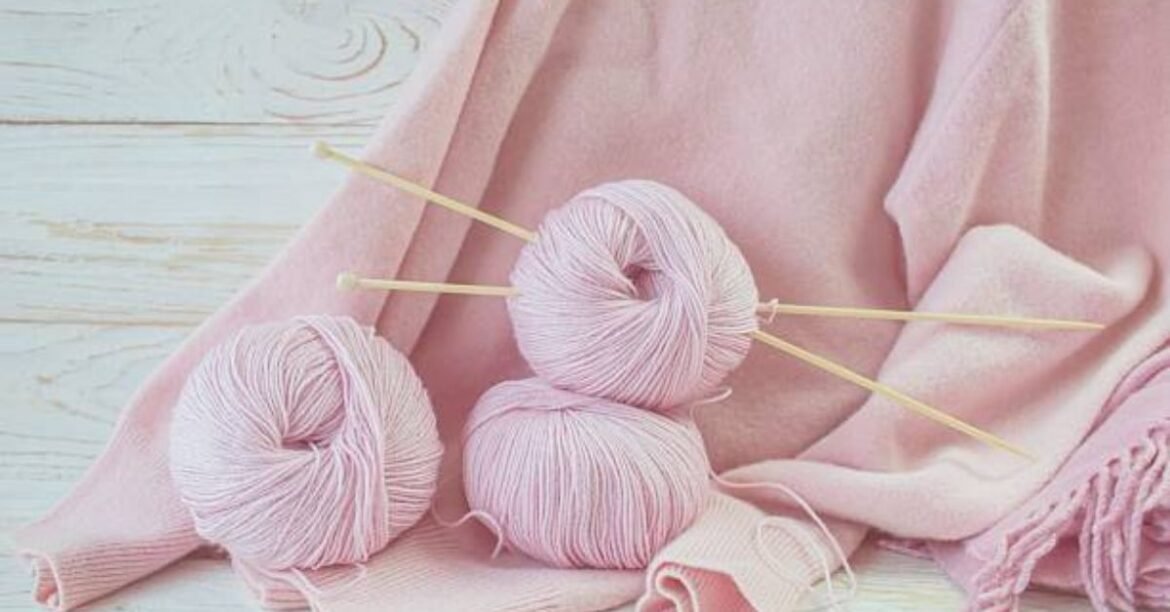
Discovering the core reasons behind starting new yarn projects is an essential first step I take toward expressing my creative voice through beautiful, handmade textiles.
The Artistic Appeal of Modern Handmade Fiber Creation Strategies
When I examine the foundational techniques behind satisfying yarn projects, I find that working with fiber provides a deeply relaxing outlet for everyday stress relief. Manipulating soft materials with my hands allows me to disconnect entirely from digital screens while focusing my mind on tactile, structured movements.
This creative process helps me transform simple, raw materials into highly functional items that add a wonderful sense of personalized warmth to my home. Designing specific yarn projects with custom color palettes allows me to create beautiful pieces that perfectly match my interior decor choices.
Engaging with these traditional crafting methods connects me directly to a rich history of global textile manufacturing and ancient handcrafting heritage. Embracing new yarn projects allows me to build sustainable, long-lasting products while celebrating the true value of mindful, slow consumer choices.
Selecting the Right Fiber Materials to Maximize Project Quality
The primary joy I find when planning new yarn projects lies in matching the perfect material composition to the specific item I want to build. For structured household items, I choose durable natural cords like hemp yarn, organic cotton skeins, or sturdy linen fibers that maintain their shape over time.
If I want to build soft, cozy wearable accessories, adding premium merino wool, lightweight alpaca fiber, or traditional sheep wool works beautifully. These deliberate fiber selections ensure my completed yarn projects remain strong, visually stunning, and perfectly optimized for their intended daily household uses.
| Fiber Material Type | My Primary Project Application | Key Structural Benefit |
| Hemp Fiber Blends | Knotted Plant Hangers & Macrame Wall Art | Exceptional Tensile Strength and Organic Earthy Texture |
| Leftover Scrap Yarn | Colorful Pom-Poms & Eclectic Coaster Mats | Maximizes Material Efficiency and Reduces Studio Waste |
| Organic Pure Cotton | Reusable Kitchen Dishcloths & Market Bags | High Water Absorbency and Complete Machine Washability |
Matching my textile supplies to the exact requirements of each craft prevents premature unraveling or unexpected shrinking during future washing cycles. Using high-quality, responsibly sourced fibers allows me to achieve professional results while respecting the craft’s integrity.
Organizing an Efficient Studio Space for Stress-Free Crafting
To keep my yarn projects from becoming chaotic or disorganized, I always establish a clean, structured storage system for my supply collection. Sorting my colorful skeins by thickness and fiber type allows me to quickly locate the exact materials needed for my next design.
A balanced yarn projects studio setup also relies on using clear bins and sturdy wooden pegs to keep my workspace free from tangles or dust buildup. Storing my sharp scissors, crochet hooks, and knitting needles in designated containers preserves tool quality, ensuring my process remains incredibly efficient.
Proper material management during the initial planning stages is absolutely essential for executing flawless designs and avoiding mid-project frustration. Simple adjustments like winding loose hanks into tight center-pull balls can save massive amounts of time during long crafting sessions.
Regarding yarn projects, checking my storage inventory every month allows me to stay completely organized and achieve my creative goals without accidentally overbuying duplicate colors. Staying proactive with my supply tracking ensures that my regular yarn projects remain a consistent source of peaceful relaxation.
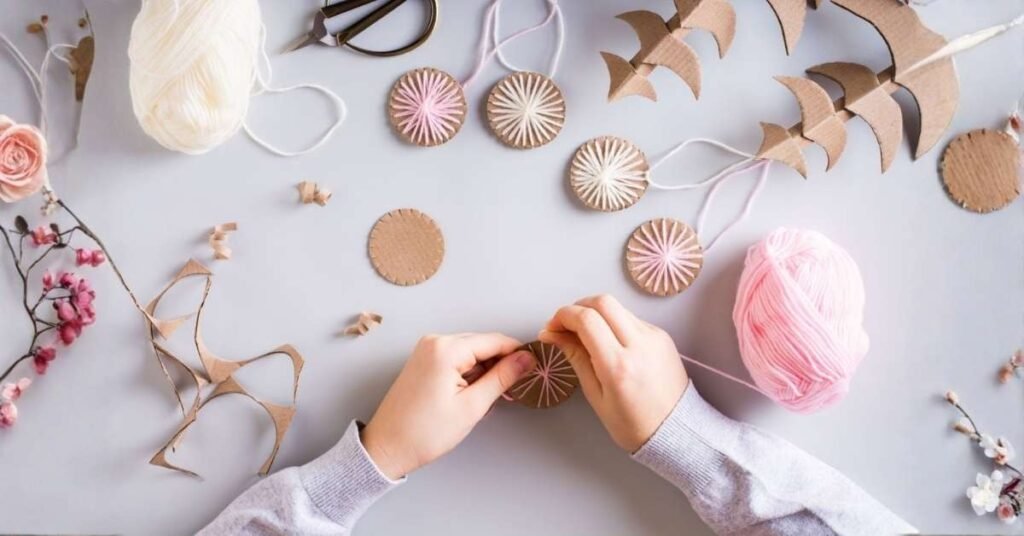
Modern Crafting Trends and Contemporary Textile Advances
Current fiber art trends celebrate yarn projects that highlight eco-friendly materials and minimalist geometric patterns across social media platforms. In my personal workshop, I prioritize chemical-free plant dyes, recycled fibers, and natural wood accents over mass-produced synthetic crafting supplies.
This mindful approach is wonderful for modern makers who want to build authentic hand-eye coordination while reducing their environmental footprint. These wholesome crafting habits provide a rewarding experience that emphasizes genuine creative growth rather than relying on quick commercial templates.
My Pro Crafting Tips
- Save Every Scrap: I store all my leftover wool scraps in a glass jar to build colorful pom-poms later.
- Maintain Even Tension: I practice making consistent loops during my warm-up stitches to ensure an even final fabric texture.
- Block Your Work: I always damp-block my completed fiber pieces to set the shape and flatten curled edges professionally.
For yarn projects, once I master these basic material preparation steps, I can enjoy a beautifully fluid crafting experience that yields pristine, heirloom-quality results. My primary goal when managing my creative workshop is to support my personal artistic development cleanly, sustainably, and effectively.
Sustainable Textile Habits and Eco-Friendly Material Choices
Regarding yarn projects, in the modern era, I am prioritizing crafting techniques that reduce waste by upcycling old garments into fresh, functional fiber supplies. Cutting up discarded cotton t-shirts into continuous strips allows me to create durable rug material without spending extra money.
To keep my delicate wool creations from losing their shape over time, I avoid hanging them on sharp wire hangers in closets. Instead, I fold my handmade items neatly and store them in breathable fabric bags to protect the fibers from stretching out.
If a favorite vintage wooden knitting needle begins to feel rough, I smooth it down with fine sandpaper immediately to prevent snagging. Taking these quick tool maintenance steps ensures my customized equipment collection remains highly reliable and perfectly safe for daily use in yarn projects.
Checking product labels for sustainable, non-toxic manufacturing processes adds a wonderful sense of mindful luxury to my daily crafting routines. Taking these small steps protects my beauty budget while teaching me the true value of conscious, eco-friendly consumer choices.
The Global History of Weaving and Fiber Art Traditions
The historic tradition of creating functional textiles spans centuries, rooted in essential clothing production methods utilized by diverse cultures worldwide. Today, I watch these traditional handcrafting secrets combine with modern color palettes to create advanced, highly expressive fiber installations globally.
Understanding the deep history behind yarn projects, basic spinning and weaving techniques helps us appreciate how time-tested artisan wisdom supports our current design goals. It also explains why natural, hand-spun strands remain a top choice for collectors, as they display human touch beautifully.
Whether I am tying intricate macrame knots or stitching a classic ribbed scarf, my choices honor deep historical craftsmanship roots. The incredible ability of targeted yarn projects to turn a simple ball of thread into a gorgeous statement piece makes it a classic lifestyle priority.
As I explore different ways to combine diverse fiber thicknesses, I see how easily handcrafting adapts to changing seasonal wardrobe demands. Embracing this holistic approach allows me to enjoy timeless self-care rituals while keeping my daily home aesthetic warm, unique, and healthy.
Sourcing High-Quality Fiber Supplies from Independent Boutiques
Finding the right retail source for my textile supplies is important for ensuring my project materials are fully authentic and durable. I look for independent local yarn shops, family-owned sheep farms, or specialized online wellness platforms that provide fully traceable, premium items.
Many top-tier fiber producers offer detailed information about their farm practices online, making it easy to verify animal welfare before buying. I always verify that my active supplies are free from harsh chemical finishes to ensure my hands remain perfectly comfortable during long hours of stitching.
I check for community reviews when searching for new yarn projects supply brands to discover which fiber blends yield the most durable results. Working with reputable material creators ensures that finding my products is easy and my creative goals are fully successful.
A knowledgeable local shop owner can provide excellent recommendations on which needle sizes work best for your unique tension level. Building a reliable list of trusted product suppliers ensures my studio vanity is always stocked for seasonal crafting transitions.
Maximizing Your Daily Creative Habits for Lasting Artistic Growth
The arrangement of my daily habits can be planned to support my textile routine and boost my internal mental clarity. For busy professionals with limited free time, keeping small yarn projects near the couch creates an easy visual prompt to craft every evening.
If you struggle with daily mental fatigue, setting aside twenty minutes for quiet hand-stitching can drastically improve your overall focus. This smart approach to wellness allows me to reduce stress hormones while helping my brain build new cognitive pathways naturally through coordination.
Small details like listening to an inspiring podcast while knitting or taking short stretching breaks can make a big difference in hand health. By adopting these simple, focus-powered habits into your lifestyle, you can make achieving your artistic goals feel easy and natural.
Strategic creative choices also help improve overall daily energy, making your workspace look fresher and more vibrant from the inside out. Investing thought into your daily habits is a vital step toward creating a beautiful, productive canvas for your life.
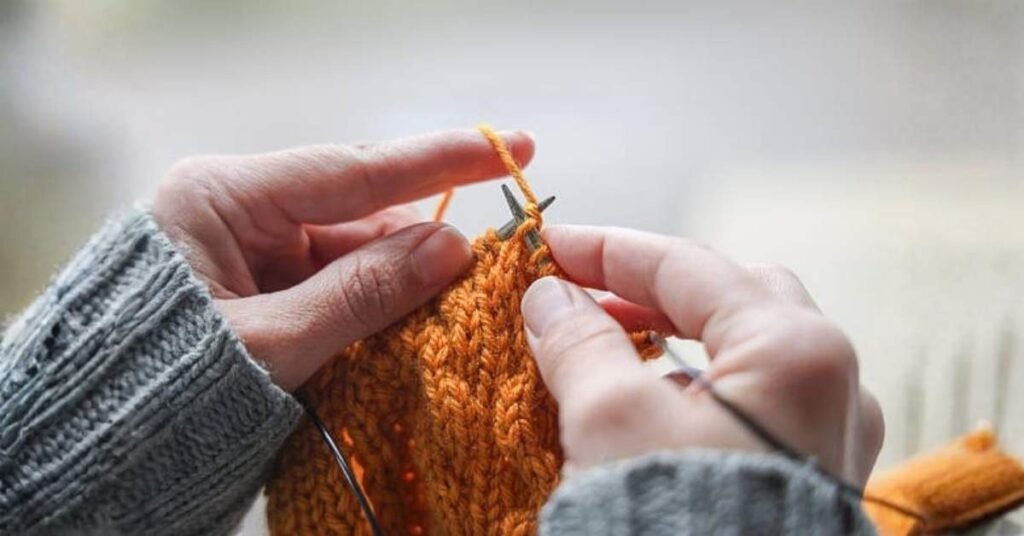
Bespoke Routine Adjustments for Changing Seasonal Crafting Shifts
For individuals who want to maintain a productive crafting flow all year, try shifting your focus to different fiber weights as seasons change. During cold winter months, I immerse myself in heavy wool blankets and chunky scarves that provide immediate warmth and comfort.
A simple switch to lightweight hemp twine or crisp linen yarn can keep your crafting energy high during hot summer months. This clever use of versatile material adjustments allows me to maintain an active, creative lifestyle through every single seasonal transition.
Modern digital platforms often share helpful project calculators, ensuring your supply purchasing habits match your exact design layouts perfectly. If you plan to update your crafting routine, remember to introduce unfamiliar techniques slowly to give your hands time to adapt.
Regardless of the specific climate you live in, the main goal is to listen to your changing creative desires and energy levels. Experimenting with different product textures leads to wonderful handmade results that reflect your dedication to authentic health and wellness.
Optimizing Leftover Skeins to Minimize Crafting Waste
An incredible way to practice sustainability in my studio is finding creative methods to use up remaining scrap pieces. I love gathering tiny colorful strands from previous tasks and combining them into beautiful, eclectic patchwork blankets.
This process ensures that no valuable material goes to waste while challenging me to experiment with unusual color combinations. It turns potential studio waste into beautiful, highly functional home accessories that feature a wonderful bohemian artistic style.
Knitting small protective sleeves for my electronics or crafting tiny bookmarks are fantastic ways to clear out my scrap bins. Embracing these low-stress yarn projects allows me to enjoy quick, highly satisfying victories between larger, more complex design tasks.
Mastering Tension Control for Perfectly Uniform Fabric Textures
Achieving pristine results across all my fiber designs requires a deep, focused understanding of personal stitch tension control. I practice holding my working strands loosely across my fingers to ensure every single loop remains identical in size and shape.
Maintaining a relaxed, steady rhythm prevents the final fabric from becoming stiff, distorted, or overly tight during long sessions. This technical discipline elevates my work from basic amateur attempts to beautiful, professional-grade textile items that drape perfectly.
If I notice my stitches becoming uneven, I pause to rest my hands and stretch my wrists thoroughly before continuing. Investing effort into mastering basic tension control ensures that my completed yarn projects look exceptionally neat, balanced, and uniform.
The Therapeutic Value of Rhythmic Fiber Art Movements
Engaging in slow, repetitive stitching movements serves as a wonderful form of active meditation that calms my busy mind. The predictable flow of loops moving across my needles creates a peaceful mental space where everyday anxieties fade away completely.
This therapeutic hobby provides an immediate sense of personal control and accomplishment when managing a chaotic professional schedule. Crafting beautiful items with my hands allows me to process my thoughts quietly while producing functional art for my family.
Setting aside dedicated time for my favorite yarn projects has become an essential pillar of my personal wellness routine. The wonderful ability of a simple thread to restore inner mental clarity makes fiber crafting a highly valued lifestyle priority for me.
Designing Seasonal Garments with Advanced Custom Stitching Patterns
When the weather turns cold, I love shifting my yarn projects focus toward drafting customized sweater patterns tailored to my personal style. Choosing complex cable-knit motifs or intricate ribbed textures adds an elegant, high-end look to my handmade cold-weather wardrobe.
Taking the time to measure my dimensions accurately ensures that my completed garments fit perfectly and comfortably for years. This personalized approach to fashion allows me to bypass generic store-bought clothing in favor of durable, character-rich statement pieces.
Wearing a complex, self-made garment brings an immense sense of personal pride and creative accomplishment to my daily style. Expanding my technical boundaries with challenging yarn projects keeps my passion for textile design fresh, engaging, and deeply fulfilling.
Conclusion
In conclusion, addressing new yarn projects is an excellent path for modern individuals, offering a rewarding journey toward radiant mental clarity. By choosing clean, natural fibers and maintaining a consistent weekly studio routine, I can elevate my self-care and maintain a beautiful collection.
The great flexibility of these creative strategies means they fit perfectly into any lifestyle, from quick morning stitches to luxurious weekend workshops. As I refine my personal wellness plans, I consider how a mindful approach to handcrafting can boost my daily confidence.
Embrace the wonderful journey of professional self-care and let your inner creativity show through the beautiful, handmade textiles you share with the world. With a little planning and smart material choices, your daily crafting rituals will become a lasting source of personal pride and health.
The true ability to transform a basic skein into a vibrant statement of artistic skill is a wonderful experience that brings joy to any routine. I take my time to select the perfect active fibers for my design needs, enjoying the delightful results that healthy choices bring.
FAQs
How do I identify high-quality materials for my yarn projects?
I look for consistent thickness, strong twist definitions, and smooth, natural fibers that feel comfortable against my skin.
Are hemp fibers better than synthetic acrylic options for home decor?
Yes, choosing natural hemp yarn provides superior structural strength and eco-friendly durability for long-lasting home accessories.
How often should I clean my handmade textile items?
To achieve steady results, I gently hand-wash my completed delicate wool designs only when necessary,y using mild, residue-free soap.
Does leftover scrap material have a practical use in a studio?
Absolutely, utilizing small leftover pieces is fantastic for creating colorful pom-poms, miniature decorations, or texturized multi-colored scrap blankets.
Can I use simple hand-weaving to reduce my daily stress levels?
Slow, rhythmic hand-weaving movements are fantastic because they stimulate mental relaxation naturally to help eliminate daily stress patterns.

With over 5 years of hands-on experience in the creative arts, I have turned my passion for DIY and home styling into a mission to inspire others. As the lead creator at UnboxTreats, I specialize in the fine details of paper crafting, yarn work, and artisanal candle making. I test every craft and decor trend to ensure you get only the most reliable and creative advice for your home.