
Discovering unexpected things to do with yarn is my absolute favorite way to transform stray skeins into highly functional household items.
The Hidden Neurological Perks of Working with Multi-Textured Fibers
When I examine my favorite therapeutic things to do with yarn, I notice a profound shift in my daily mental focus and stress management. Engaging in rhythmic loop creation releases continuous micro-doses of dopamine, which naturally calms a racing mind after long screen sessions.
The real magic regarding things to do with yarn happens when my hands switch between smooth mercerized cotton threads and coarse, rustic wool blends during a single project. This intentional sensory variation stimulates tactile neuropathways, keeping my mind incredibly sharp while preventing joint fatigue in my fingers over time.
I love using these intricate tactile exercises to improve my spatial reasoning and fine-tuned dexterity during quiet weekend mornings at home. Developing a deep connection with simple raw materials helps me feel more grounded, boosting my overall creative problem-solving stamina.
Experimenting with complex structural configurations gives me a wonderful alternative to standard digital hobbies, bringing a great sense of balance back. Cultivating a personal relationship with texturized weaving methods serves as the foundational cornerstone of a conscious, slow-crafted lifestyle today.
Sourcing Sustainable Structural Bases for Your Custom Textile Studio
The primary secret behind my most durable things to do with yarn setups involves rejecting flimsy plastic backings entirely. I consistently match my premium organic fibers with sturdy reclaimed corrugated cardboard panels or fallen backyard branches for an authentic aesthetic.
Using heavy-duty organic backings guarantees that my tension-heavy structural geometric frames remain perfectly stable without bowing or warping under pressure. These deliberate choices ensure that my curated art portfolio maintains its shape beautifully, making every single project display-ready for years.
| Fiber Composition | Recommended Structural Frame | Ideal Functional Utility |
| Organic Hemp Twine | Natural Driftwood Branches | Creates Highly Durable Minimalist Plant Hangers |
| Chunky Merino Wool | Rigid Corrugated Cardboard | Produces Ultra-Soft Modular Sensory Seat Cushions |
| Upcycled Cotton | Laser-Cut Wooden Geometric Rings | Forms Structurally Sound Modern Bohemian Wall Art |
Carefully pairing your thread weights with dense foundational elements keeps your working surfaces perfectly flat from start to finish. Incorporating these unique tactile material combinations allows me to design rare museum-quality statement pieces that stand out from commercial decorations.
Establishing a Dust-Free Material Sorting System to Protect Skeins
To prevent my expanding list of things to do with yarn from generating messy fiber clouds, I use a strict storage routine. Storing my unprocessed skeins inside airtight canvas bins with natural cedar blocks keeps pesky fabric moths away without using smelly chemicals.
My organization layout relies on dividing my inventory by weight classifications rather than simple color groupings to streamline my project workflow. This structural approach keeps my delicate lace-weight threads safely separated from bulky wools, ensuring my workspace feels organized and completely stress-free.
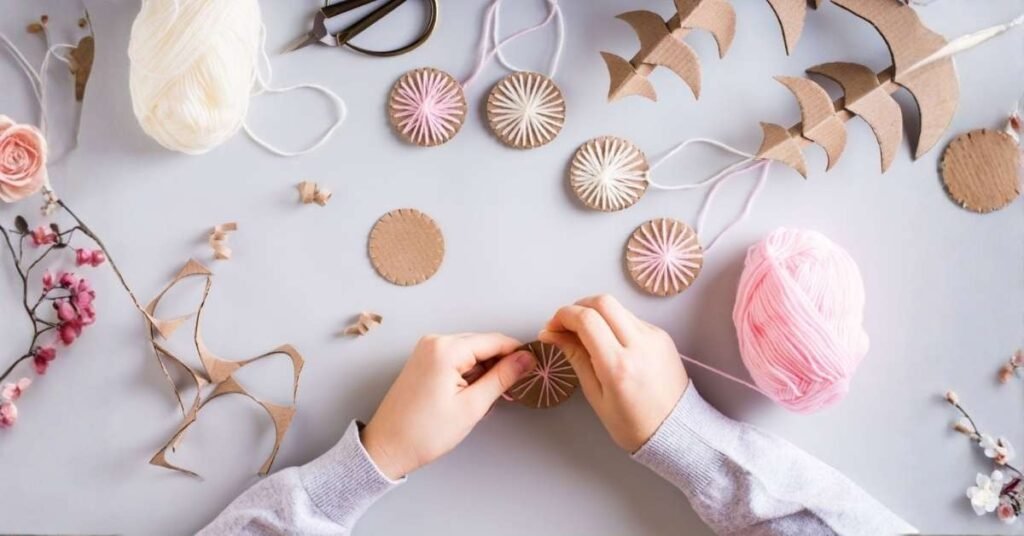
Proper maintenance during the initial thread-winding phase prevents annoying inner knots that ruin your pulling momentum while working complex loops. Implementing clean wooden swift tools saves me hours of frustrating untangling, turning my material prep into a calming, meditative ritual.
Monitoring my thread stash layout each month ensures I never purchase accidental duplicate weights before beginning a new design sequence. Staying deeply proactive with my material hygiene allows me to enjoy a pristine, hyper-focused home crafting environment every day.
Advanced Structural Engineering in Contemporary Fiber Sculpture Art
Modern international textile exhibitions consistently feature things to do with yarn concepts that break away from traditional flat knitted patterns. In my home studio, I focus heavily on creating three-dimensional rope bowls, geometric wire structures, and multi-layered architectural fringe hangings.
Regarding things to do with yarn, this structural evolution provides an elite technical playground for creators who want to mix heavy industrial shapes with soft textiles. Focusing on the physical physics of thread tension allows me to build large-scale installations that remain perfectly secure.
My Pro Tension Management Tips
- Calibrate Your Frame Pull: I always anchor my foundational warp threads to rigid wooden pegs to maintain completely uniform grid lines.
- Vary Thread Twist Dimensions: I deliberately mix tightly spun cords with unspun roving wool to generate dramatic, high-contrast shadow lines.
- Steam Your Finished Work: I apply light, pressurized steam to my completed panels to lock the fibers into their final positions.
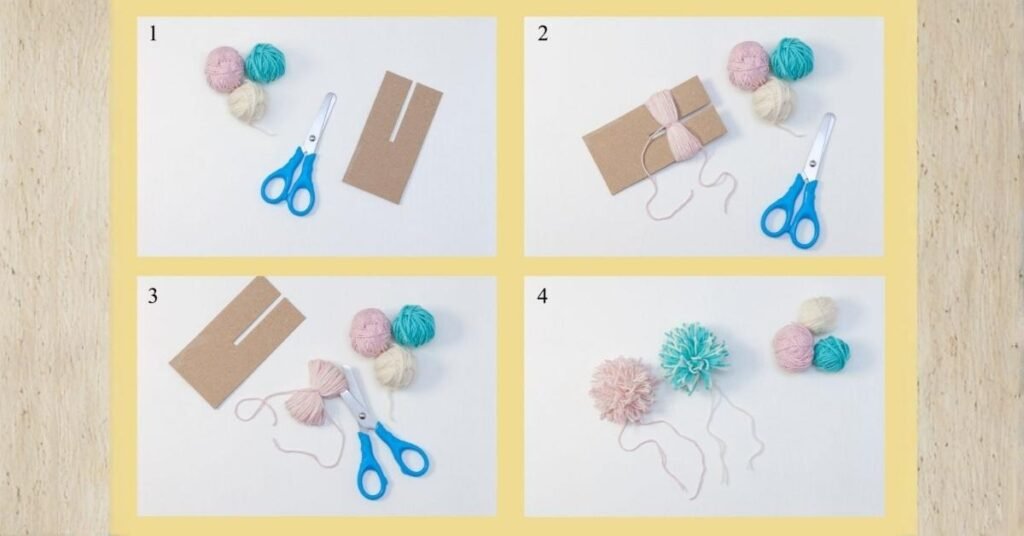
Mastering these specific physical alignment laws helps me create striking gallery-grade wall pieces that command immediate attention in any room. My main goal when structuring new fiber designs is to explore the absolute limits of organic tension and form.
Eco-Conscious Dyeing Techniques Utilizing Organic Kitchen Scrap Bases
I am currently focusing my research on things to do with yarn methods that eliminate commercial synthetic dye packages completely. Infusing my raw wool skeins with concentrated baths of yellow onion skins, avocado pits, or black walnut hulls yields gorgeous earthy tones.
To ensure my custom color pigments bond permanently with the fibers, I simmer my yarn in a natural aluminum potassium sulfate bath. This non-toxic mordant preparation locks the rich organic hues deep into the thread cells, preventing fading during future wash cycles.
If an experimental botanical color bath turns out lighter than I planned, I modify the solution with iron water to darken it. Through these precise chemical steps, I am able to create deep, complex color gradients that can not be replicated by commercial factories.
Scouting my local woods for fallen lichen or wild goldenrod blossoms adds a beautiful element of seasonal discovery to my art. Choosing this sustainable production path reduces my chemical footprint while connecting my home textile designs directly with local nature.
The Anthropological Legacy of Indigenous Loom Weaving Practices
The rich historic lineage of organizing things to do with yarn dates back to early Mesopotamian dropped spindle innovations. Today, I track how these ancient regional weaving secrets influence modern high-fashion runway textures and contemporary interior architecture designs.
Studying the historic migration of distinct geometric motifs helps me understand how fiber arts served as an early form of visual storytelling. This deep historical awareness inspires me to treat every single thread loop as a deliberate continuation of global human ingenuity.
Whether I am replicating an ancient Andean tapestry weave or drafting an ultra-modern structural wire sculpture, I honor those historical roots regarding things to do with yarn. The incredible ability of simple spun fibers to bridge ancient human utility with modern abstract art makes it a rewarding study.
As I test different structural layout formulas, I see how easily old weaving patterns adapt to minimalist modern spaces. Embracing these time-tested traditions allows me to add historical weight to my work while keeping my creative outputs thoroughly original.
How to Identify Genuine High-Grade Alpaca and Sheep Fiber Lots
Locating authentic farm-direct wool sources for my specialized things to do with yarn projects requires a trained eye for physical quality. I look for raw fleeces that display tight, consistent structural crimp patterns and low guard hair counts to ensure maximum softness.
Buying my materials directly from small family-owned herders allows me to verify the animals are raised humanely on open pastures. I always avoid choosing heavily processed store bundles that have been stripped of natural lanolin protectants through harsh chemical carbonization.
I read detailed fleece auction data sheets regarding things to do with yarn, to check the specific micron counts before purchasing rare wool fibers for my projects. Investing in top-tier farm materials ensures my yarn designs feel amazing to touch and retain their premium bounce for decades.
A reputable independent shepherd can provide excellent notes regarding the specific sheep breeds that yield the best structural stitch definition. Collecting these pure, raw material batches elevates my entire workflow, making every finished piece feel truly elite and luxurious.
Maximizing Your Studio Floor Layout for Ergonomic Creative Production
Things to do with yarn include the physical arrangement of my weaving tools, which is meticulously engineered to support proper body posture during long creation hours. For compact studio spaces, mounting an adjustable vertical tapestry loom to your wall keeps your floor clear and prevents neck strain.
If you use a traditional horizontal frame setup, keeping your heavy thread cones on low rolling carts keeps them within easy reach. This smart mechanical setup allows me to pull new thread lengths effortlessly without interrupting my delicate hand-weaving rhythm.
Small details like setting my working stool to a precise ninety-degree angle can eliminate lower back strain during long sessions. Sharing these ergonomic workspace guidelines with my fellow creators makes our collective studio hours much safer and more productive.
Strategic room layouts also help prevent light glares on your working threads, allowing you to catch minor loop mistakes immediately. Investing thought into your physical creative environment is a critical step toward building a sustainable lifelong fiber art practice.
Architectural Accent Customization for Luxury Interior Spaces
For advanced designers who want to use things to do with yarn concepts to elevate high-end interior spaces, try making massive felted wall panels. These custom architectural additions provide exceptional acoustic sound-dampening qualities that are perfect for modern concrete homes and minimalist offices.
For things to do with yarn, a heavy accent piece made from unspun cream roving wool adds an elegant layer of visual warmth to sterile modern rooms. This professional application of fiber art skills allows me to showcase how soft textiles can beautifully balance sharp interior lines.
Modern interior design firms regarding things to do with yarn, often commission bespoke hand-woven installations to break up the visual monotony of corporate glass lobbies. If you plan to build large-scale yarn art, ensure you anchor your support rods directly into wall studs to handle the final weight.
Regardless of your chosen design aesthetic, the core objective is to create a piece that interacts beautifully with natural room lighting. Experimenting with deep dimensional layers yields breathtaking textile shadows that shift gracefully as daylight changes throughout the afternoon.
Conclusion
In conclusion, exploring creative things to do with yarn offers an incredible path toward mastering modern textile design and improving your focus. By sourcing sustainable raw bases and creating an ergonomic workspace, I can easily elevate my custom fiber projects to a gallery-grade standard.
For things to do with yarn, the brilliant versatility of spun fibers means they adapt beautifully to any scale, from tiny botanical dye tests to massive acoustic wall installations. As I draft my upcoming design schedule, I balance soft thread textures with rigid natural frames to maximize visual impact.
Embrace this rewarding journey regarding things to do with yarn, into advanced fiber art, and let your technical precision show through the intricate structures you build. With rigorous material quality checks and smart tool setups, your home studio will become a stable source of high-end original artwork.
The true ability to transform a raw skein of thread into a striking three-dimensional sculpture is an elite skill that brings deep satisfaction. I take my time to execute every tension grid perfectly, enjoying the steady, beautiful results that professional fiber crafting provides.
FAQs
How do I find authentic things to do with yarn ideas that are completely original?
I study industrial design blueprints and historical weaving catalogs to find unique ways to apply thread tension to modern home decor today.
Why are organic wooden frames better than cheap plastic hoops for yarn weaving?
Natural wood provides superior physical grip against your warp threads, preventing frustrating tension slippage while you assemble complex fiber art pieces today.
How often should I clean and inspect my raw wool storage containers?
To protect your investment, I inspect my yarn bins every three months to ensure my cedar blocks remain strong and moisture-free today.
Does high room humidity affect the final tension of a yarn wall hanging?
Yes, high moisture levels can cause raw wool fibers to expand slightly, so I always cure my completed textile panels in a climate-controlled room today.
Can I use custom yarn installations to improve the acoustics of a home office?
Absolutely, dense wool installations act as highly effective natural sound-absorbers, making large yarn wall panels perfect for reducing echo during video calls today.

With over 5 years of hands-on experience in the creative arts, I have turned my passion for DIY and home styling into a mission to inspire others. As the lead creator at UnboxTreats, I specialize in the fine details of paper crafting, yarn work, and artisanal candle making. I test every craft and decor trend to ensure you get only the most reliable and creative advice for your home.