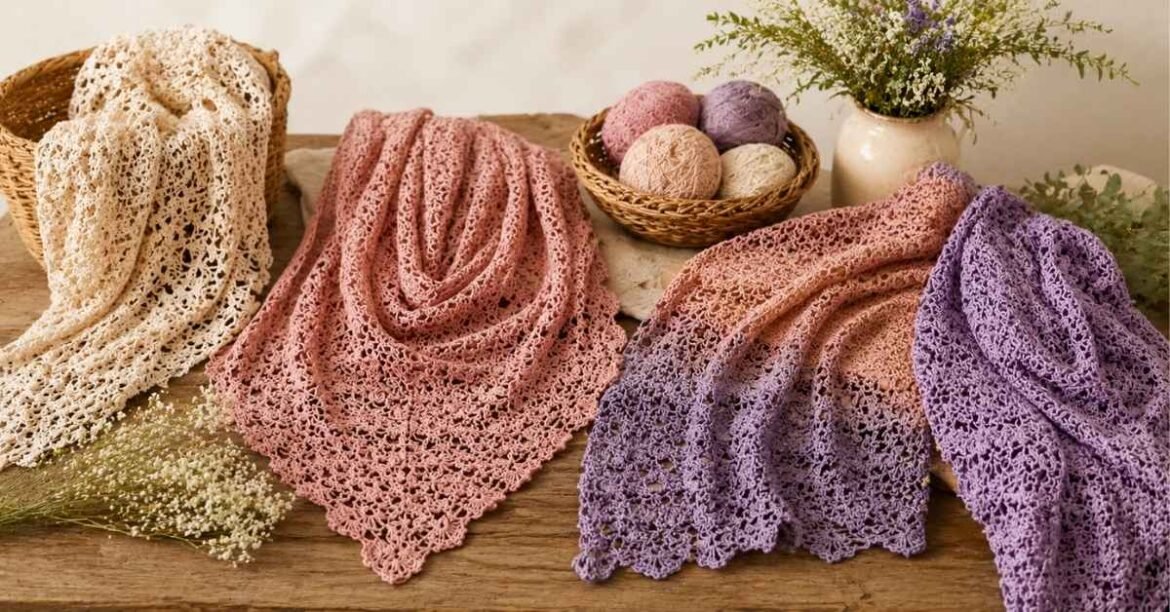
Looking for inspiration in shawl crochet? Here are 7 gorgeous patterns, yarn selection tips, and simple steps to hook your next piece.
Introduction
A few autumns ago, I picked up a skein of hand-dyed merino wool and a favorite five-millimeter hook, searching for a project that felt relaxing yet deeply rewarding. Falling in love with shawl crochet was one of the best moments in my crafting journey. Unlike fitted sweaters that require precise body measurements or large blankets that take months to complete, a handmade shawl offers immediate gratification, portable progress, and endless creative versatility.
Whether you drape one over your shoulders on a chilly morning or wrap it loosely like a scarf for a cozy night out, a handcrafted wrap adds effortless warmth and personal style to any outfit. Exploring different techniques in shawl crochet gave me total creative freedom to play with color gradients, lacy stitch patterns, and luxurious fiber blends. If you are looking for inspiring projects, practical yarn advice, and simple finishing tips to elevate your work, here is everything I have learned along the way.
1. The Classic Top-Down Triangle Shawl
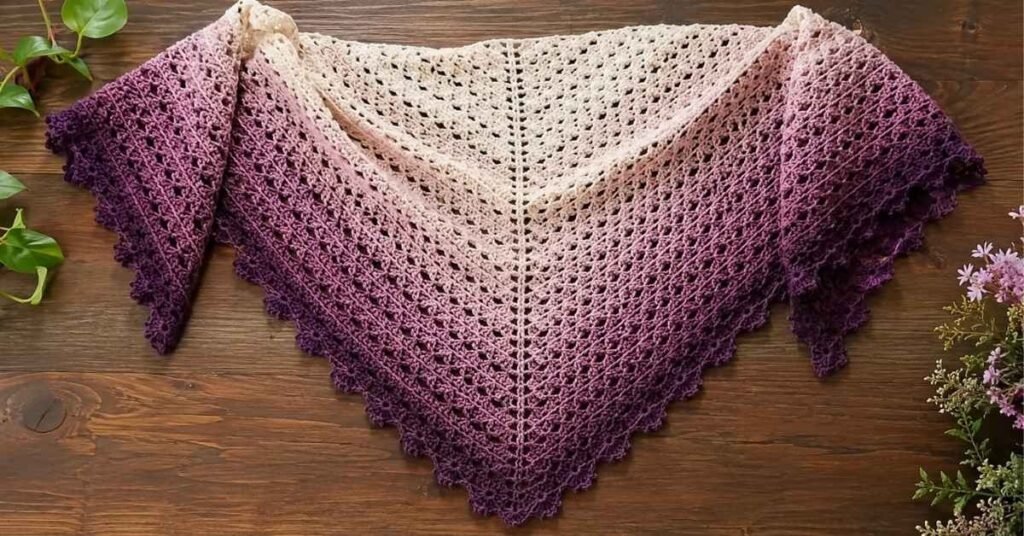
The triangle shape is a classic entry point into shawl crochet because the construction is intuitive, satisfying, and easy to master. Starting at the center top neck with a small magic ring, you gradually expand outward by adding regular increases at the center spine and outer edges on every row.
This traditional design allows you to continue repeating a simple two-row sequence until your shawl reaches your desired wingspan. Working basic stitches like double crochet and chain spaces creates an airy, flexible fabric. I love using self-striping cake yarns for top-down triangles because the color transitions unfold automatically without requiring you to weave in dozens of annoying loose yarn ends.
2. The Elegant Rectangular Wrap
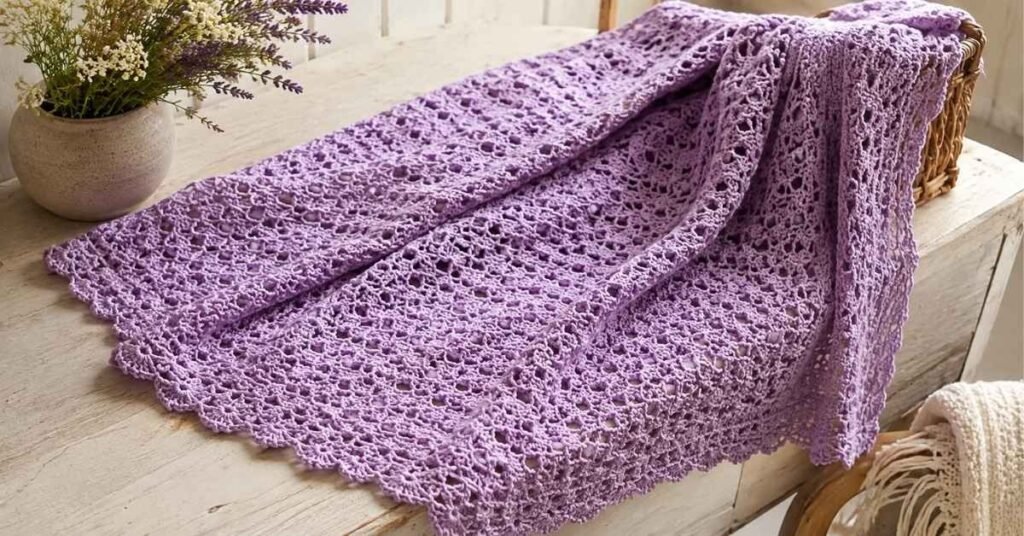
If you prefer clean lines and minimal shaping, rectangular wraps bring a modern elegance to shawl crochet. Instead of expanding outward with complex corner increases, you simply chain your desired width and work back and forth in straight, repetitive rows until the wrap reaches your preferred length.
Rectangular designs showcase textured stitch patterns exceptionally well. Working moss stitch, granite stitch, or herringbone double crochet creates a dense, squishy fabric that feels wonderfully comforting around your shoulders. Adding long yarn tassels or twisted fringe to the short ends provides a polished bohemian finish that swings gracefully whenever you move.
3. Delicate Openwork and Shell Lace Patterns
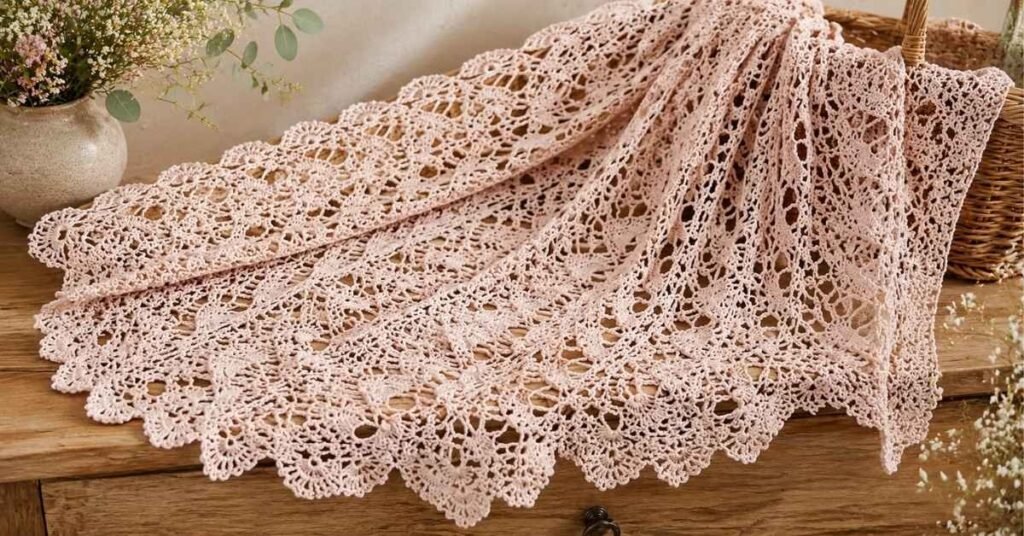
For crafters who enjoy delicate, romantic textures, mastering delicate lace stitches elevates shawl crochet into wearable art. Combining shell stitches, Solomon’s knots, and classic pineapple lace motifs creates openwork patterns that look intricate while remaining surprisingly easy to memorize after a few rows.
Lace shawls drape effortlessly and weigh very little, making them ideal accessories for wedding guest outfits, dinner dates, or formal evening wear. Working with a hook size slightly larger than your yarn label recommends ensures that your stitches stay loose, open, and fluid rather than stiff or dense.
4. Asymmetrical and Crescent-Shaped Shawls
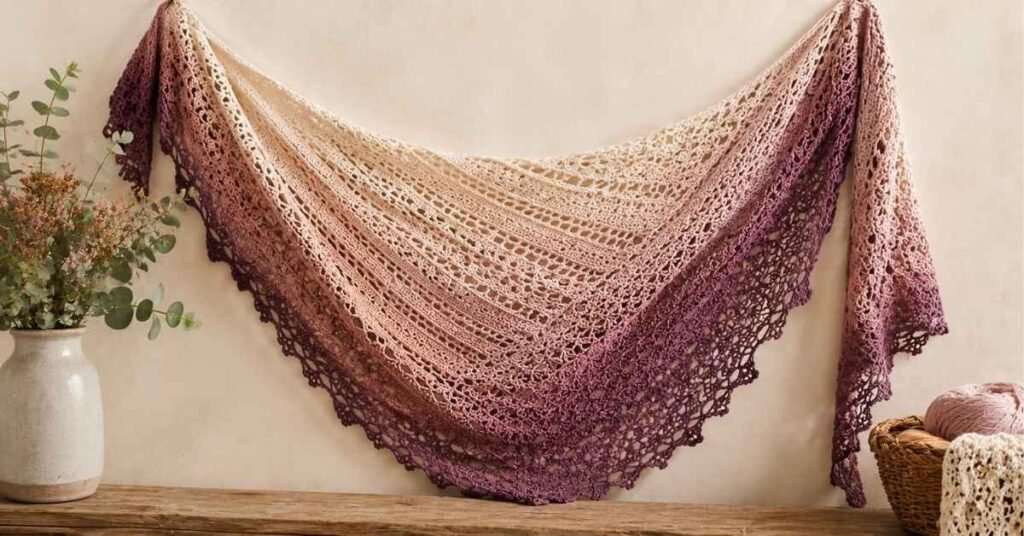
If you want a modern silhouette that sits securely on your shoulders without constantly slipping off, asymmetrical shapes bring exciting variety to shawl crochet projects. Asymmetrical shawls are worked from one narrow tip, increasing steadily along a single side until you reach the wide opposite edge.
Crescent shawls use gentle increases spread evenly across every right-side row to form a shallow, curved crescent that wraps naturally around your neck. These dynamic shapes allow you to mix contrasting color sections, textured puff stitches, and lacy borders for a truly unique handmade accessory.
5. Yarn Weights and Recommended Hook Sizes
Choosing the right materials for shawl crochet determines how your project drapes and wears. Here is a handy reference guide to help you match your yarn weight with the ideal hook size and project style:
| Yarn Weight Category | Recommended Hook Size | Average Yardage Needed | Ideal Shawl Style |
| Lace Weight (#1) | 3.25 mm – 3.75 mm | 600 – 900 yards | Intricate Lace & Sheer Wraps |
| Fingering Weight (#2) | 3.75 mm – 4.5 mm | 700 – 1,000 yards | Lightweight Triangles & Crescents |
| Sport Weight (#3) | 4.5 mm – 5.5 mm | 600 – 800 yards | Textured Rectangular Wraps |
| DK Weight (#3/4) | 5.5 mm – 6.5 mm | 500 – 700 yards | Cozy Autumn & Winter Shawls |
Natural fibers like merino wool, baby alpaca, and silk blends offer warmth and breathability, while cotton and bamboo blends provide a cool, soothing touch for summer accessories.
6. The Magic of Blocking for Stunning Drape
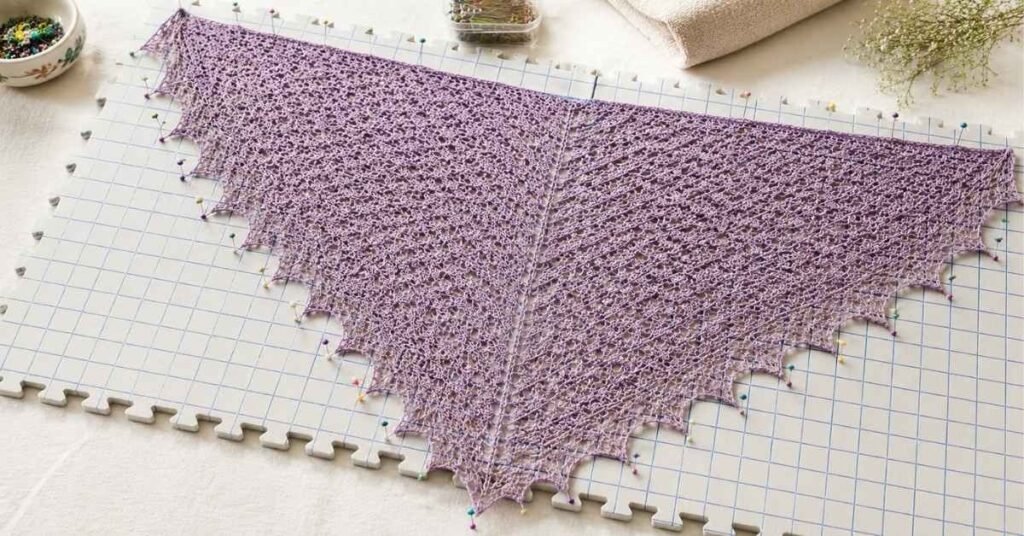
Even the most beautiful stitches can look tight or bunched straight off your hook. Blocking your finished piece is essential in shawl crochet to open up stitches, even out your tension, and define delicate lace points clearly.
To block your shawl, soak it in lukewarm water with a drop of no-rinse wool wash for twenty minutes. Gently squeeze out excess water with a dry towel without wringing. Pin the wet shawl onto foam blocking mats, stretching the edges to highlight the lace points, and let it dry completely in the shade.
7. Lightweight Summer Wraps and Layering Pieces
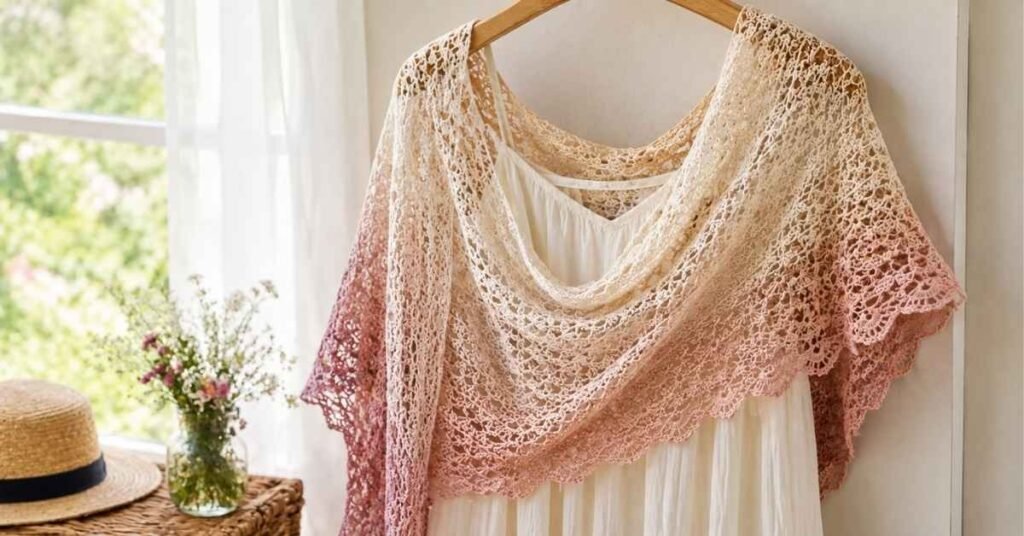
Many people associate crochet with heavy winter wear, but adapting lightweight threads allows shawl crochet to be enjoyed year-round. Fine linen and bamboo yarns make airy beach cover-ups and breezy evening shawls for warm summer nights.
Working open V-stitches or mesh patterns in cool pastel shades creates a breathable layer that protects your shoulders from direct sun exposure or chilly air-conditioned rooms. A light summer wrap folds down small enough to fit inside your tote bag wherever you travel.
Conclusion
Creating handmade garments with your own two hands is a deeply fulfilling passion. Celebrating the cozy art of shawl crochet brings immense daily joy, turning simple skeins of yarn into treasured heirlooms. Gather your favorite hook, select a beautiful yarn, and enjoy every stitch of your next handmade creation.
Frequently Asked Questions
1. What is the easiest stitch for beginners starting shawl crochet?
The double crochet stitch paired with chain spaces is the easiest option for beginners, as it creates an open, flexible fabric quickly without complex counting.
2. How much yarn is needed for shawl crochet?
A standard small to medium shawl typically requires between 400 and 800 yards of fingering or sport weight yarn, while larger oversized wraps may take 1,000 yards or more.
3. What is the best shape for a beginner’s first shawl?
A top-down triangle shawl or a simple rectangular wrap is best for beginners because both feature predictable row repeats and straightforward shaping.
4. Is blocking necessary after completing a shawl crochet project?
Yes, blocking is strongly recommended for shawl crochet because it opens up lacy stitch patterns, straightens uneven edges, and dramatically improves fabric drape.
5. How do I keep my shawl from slipping off my shoulders?
You can secure your shawl with an artisan wooden shawl pin, tie the ends loosely in front, or choose a crescent-shaped pattern that naturally hugs your neck and shoulders.

With over 5 years of hands-on experience in the creative arts, I have turned my passion for DIY and home styling into a mission to inspire others. As the lead creator at UnboxTreats, I specialize in the fine details of paper crafting, yarn work, and artisanal candle making. I test every craft and decor trend to ensure you get only the most reliable and creative advice for your home.