

Discover what causes ruddy skin, how to treat persistent facial redness, and the best derm-approved skincare and makeup tips for a calm, even complexion.
Introduction
If your face always looks flushed even when you have not exercised, eaten spicy food, or felt embarrassed, you may be dealing with ruddy skin. It is one of the most common and most misunderstood skin concerns — and it affects millions of people every single day without them fully understanding why it keeps coming back.
Ruddy skin refers to persistent redness in the complexion that lingers rather than fading the way temporary flushing does. It often appears blotchy, uneven, or accompanied by visible capillaries around the cheeks and nose. While it is common, it can still be deeply frustrating for the people who live with it every day.
In this guide, you will discover exactly what causes this condition and nine powerful derm-approved ways to treat and manage it using the right skincare routine, the right ingredients, and the right makeup techniques for a calmer, more even complexion.
What Is Ruddy Skin
Ruddy skin is characterized by frequent, visible facial flushing that does not fade the way ordinary temporary redness does. According to L’Oréal Paris Beauty Magazine (updated April 2026), persistent redness is a common concern, often appearing blotchy or uneven and accompanied by visible capillaries, especially around the cheeks and nose.
Nearly anyone can experience this condition, but according to L’Oréal Paris, it tends to be most common among people with fair skin and pinkish undertones. The redness is visible on the surface because dilated or broken blood vessels sit close enough to the upper layers of the complexion to show clearly through the skin.
Ruddy skin is often confused with rosacea, but the two are not the same condition. Rosacea is a chronic skin condition that may require prescription treatment from a dermatologist; this concern is typically milder, usually painless, and can often be managed effectively with a consistent at-home skincare routine.
What Causes Ruddy Skin
Understanding what causes ruddy skin is the first and most important step toward managing it effectively. According to the American Academy of Dermatology, several factors contribute to a ruddy complexion — most often by promoting increased blood flow to the surface of the skin in ways that trigger persistent, visible redness.
According to L’Oréal Paris, the causes of this condition generally fall into four main categories. Skincare habits such as using harsh ingredients, over-exfoliating, or washing with very hot water can compromise the skin barrier and trigger the inflammation that causes the flushed appearance associated with ruddy skin. Environmental factors, including UV exposure and extreme temperatures, put stress on the skin and make it more reactive and prone to visible redness over time.
Lifestyle habits are the third contributor. Spicy foods and alcohol can temporarily trigger flushing, especially in skin that is already sensitive. Genetics is the fourth factor — some people are simply more prone to ruddy skin because their complexion is thinner, more delicate, or more reactive to everyday triggers. Having very fair skin also makes redness far more apparent and difficult to conceal without the right skincare and makeup approach.
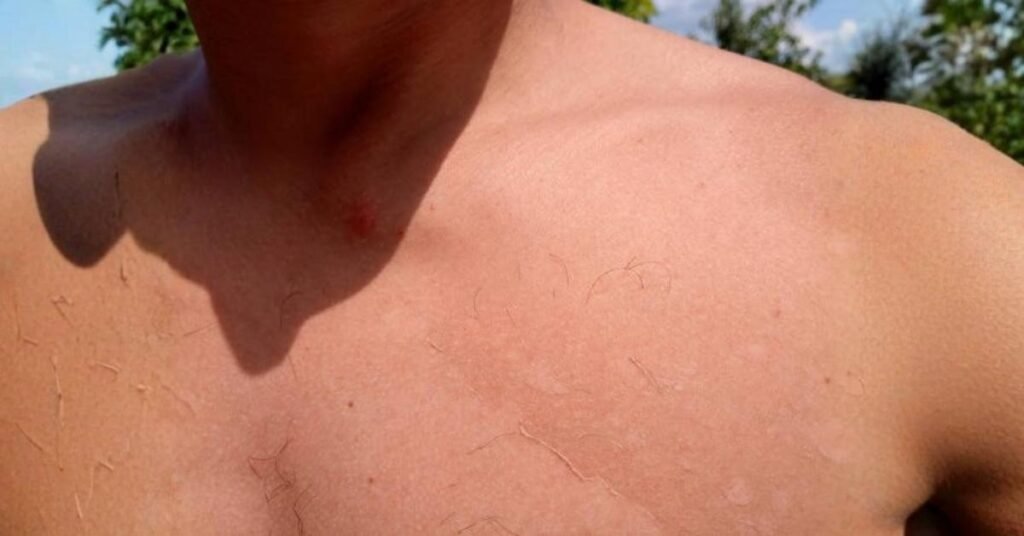
Step 1: Protect Your Skin from the Sun Every Day
According to L’Oréal Paris, daily sun protection is one of the most effective ways to keep ruddy skin in check. UV exposure exacerbates visible redness and makes uneven skin tone look more pronounced over time, so consistent SPF use is absolutely non-negotiable for anyone managing this condition on a daily basis.
Always reach for a broad-spectrum sunscreen with SPF 30 or higher and apply it every morning without exception. If your skin is particularly redness-prone or sensitive, look for mineral sunscreen formulas containing zinc oxide or titanium dioxide — these tend to be the most well-tolerated by those with reactive skin that flushes easily.
For people who struggle to remember their daily SPF, replacing a regular moisturizer with an SPF moisturizer removes one step from the morning routine while ensuring the complexion receives daily UV protection as part of regular hydration every single morning.
Step 2: Moisturize Morning and Night
Moisturizer is a must-have for anyone dealing with ruddy skin. Beyond basic hydration, the right formula supports the skin barrier, calms visible irritation, and gradually helps to improve the look of uneven, red skin tone over consistent, long-term use.
According to L’Oréal Paris, looking for a moisturizer that contains ceramides and hyaluronic acid delivers two key benefits simultaneously. Ceramides reinforce and protect the weakened skin barrier that often underlies persistent redness, while hyaluronic acid attracts moisture to the surface of the skin and locks it in throughout the day without adding heaviness or clogging pores.
If tone-evening is a priority alongside basic hydration, formulas that combine hyaluronic acid with niacinamide or vitamin C work particularly well for this condition. Both active ingredients brighten the complexion, reduce the visible appearance of redness, and support barrier function — three outcomes that directly address the core concerns of anyone living with a persistently flushed complexion.
Step 3: Exfoliate Gently and Infrequently
Gentle exfoliation helps refine texture and improve the look of uneven tone in ruddy skin, but according to L’Oréal Paris, less is almost always more. Overdoing exfoliation compromises the skin barrier and makes redness look more pronounced — exactly the opposite of what a flushed, reactive complexion needs.
When you do exfoliate, choose mild chemical exfoliants rather than physical scrubs. Low-strength alpha-hydroxy acids such as glycolic acid help loosen and lift away dull surface cells without the friction that can aggravate redness and irritation. Scrubs with rough or jagged particles are particularly problematic because they create micro-tears in the surface that worsen inflammation and make the complexion appear even more flushed and uneven after use.
Starting with a twice-weekly application and building up gradually over several weeks is the safest approach for anyone introducing chemical exfoliation into a routine designed for sensitive, reactive skin. Pairing exfoliation with a soothing ingredient like aloe vera minimizes post-exfoliation sensitivity that people with ruddy skin are particularly prone to experiencing.
Step 4: Choose the Right Ingredients
According to L’Oréal Paris, since ruddy skin is often tied to sensitivity and a compromised skin barrier, it is critically important to be mindful of the products and ingredients you use throughout your entire routine. Artificial fragrances, drying alcohol, and high concentrations of active ingredients can all trigger irritation and contribute to a more visibly flushed complexion.
The most effective ingredients for managing this condition include vitamin C, which brightens and evens out skin tone, and niacinamide, which calms redness, regulates sebum, and repairs the damaged skin barrier that often underlies persistent facial flushing. Both ingredients are widely recommended by dermatologists for anyone dealing with ruddy skin or other forms of persistent facial redness.
Here is a quick reference guide for the most effective ingredients:
| Ingredient | What It Does | Best Found In |
| Niacinamide | Calms redness, repairs skin barrier | Serums, moisturizers |
| Vitamin C | Brightens, evens skin tone | Morning serums |
| Ceramides | Restore and strengthen the skin barrier | Moisturizers |
| Hyaluronic acid | Hydrates without irritating | Serums, moisturizers |
| Glycolic acid | Gently exfoliates and refines texture | Weekly exfoliants |
| Aloe vera | Soothes irritation and redness | Toners, mists, serums |
| Zinc oxide | Gentle mineral sun protection | Mineral sunscreens |
Step 5: Add a Targeted Brightening Serum
If ruddy skin is a consistent concern, adding a targeted serum to your daily routine can meaningfully improve the overall look of uneven tone over time. According to L’Oréal Paris, vitamin C and niacinamide serums are especially effective because they visibly brighten the complexion, support the skin barrier, and make redness less pronounced without being harsh or aggressive on reactive skin.
Using a vitamin C serum every morning will protect your skin from UV damage and environmental damage that worsens this condition while simultaneously brightening uneven skin tone. A niacinamide serum used morning or evening reduces visible redness by calming inflammation and reinforcing the skin barrier. Combining both in your routine — vitamin C in the morning and niacinamide in the evening — gives ruddy skin the most comprehensive treatment approach available without prescription products.
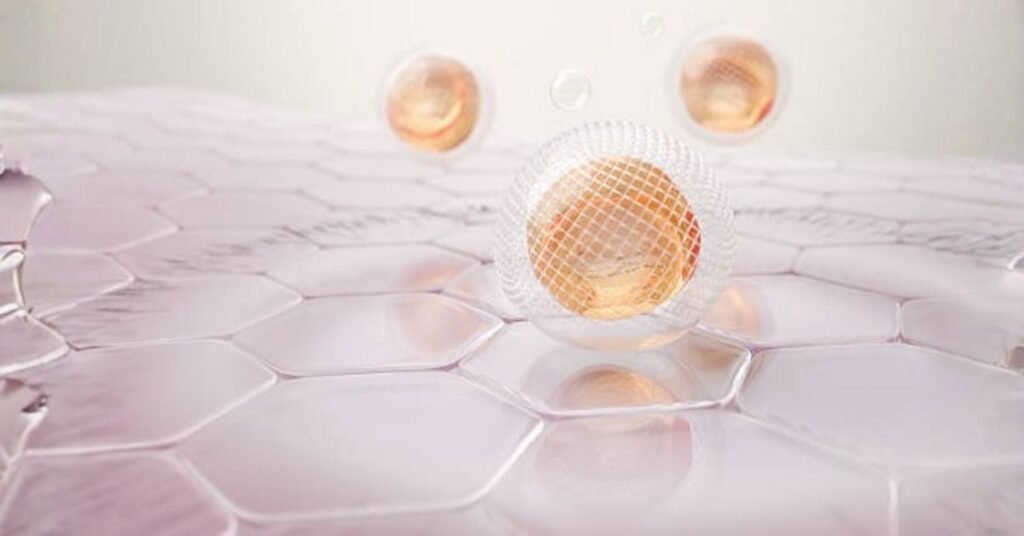
Step 6: Use a Green Primer to Color Correct
When you want more immediate results than skincare alone can provide, makeup is the fastest way to visually minimize ruddy skin. According to L’Oréal Paris, a color-correcting approach — specifically using green to neutralize redness — can make a noticeable and instant difference in the appearance of a flushed complexion before foundation is even applied.
Green-tinted primers work so effectively because green sits directly opposite red on the color wheel. Applying a sheer green primer creates a neutralizing base that cancels out visible redness before any other product is layered over it. The result is a far more even canvas that requires significantly less foundation to achieve a natural, finished look throughout the entire day.
Apply a thin, even layer of green primer to moisturized skin before foundation. Avoid applying it thickly, as this creates a gray or unnatural finish. A light, sheer application is all that is needed to effectively neutralize the redness of ruddy skin without making the base look overdone or artificial.
Step 7: Apply a Full-Coverage Foundation
Foundation helps even out the skin tone and creates a smooth, uniform base that significantly reduces the visible impact of ruddy skin throughout the day. According to L’Oréal Paris, medium-to-full coverage formulas are the most effective choice because they even things out without feeling heavy or mask-like on the face.
Choosing a foundation shade with neutral or slightly yellow undertones can also help balance redness for a more natural-looking finish. Foundations with cool or pink undertones often do the opposite — they can enhance existing redness rather than neutralizing it on a flushed complexion. Buildable coverage formulas are the most versatile option because they allow lighter application on low-redness days and more coverage in areas where ruddy skin is most visible.
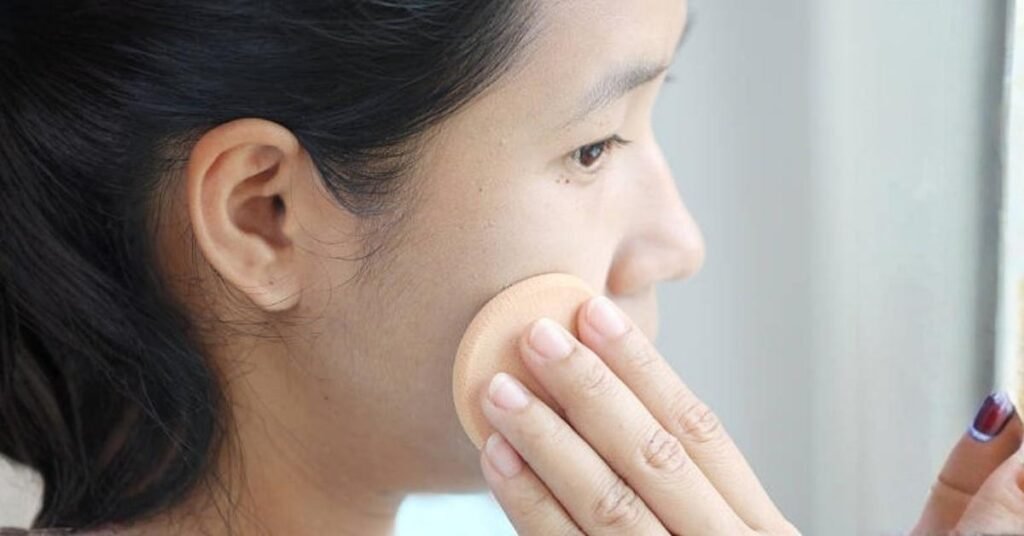
For the most natural-looking result, apply foundation using a damp beauty sponge rather than a flat brush. Bouncing the formula onto the skin creates a seamless, skin-like finish that looks genuinely lived-in rather than heavily covered — an important quality for anyone making their complexion look naturally calm.
Step 8: Use Bronzer Instead of Blush
Blush is a staple in many makeup routines, but according to L’Oréal Paris, it can make ruddy skin look significantly more flushed and red. If you want to add warmth and dimension without emphasizing red tones, using bronzer instead of blush is the recommended approach for anyone managing a persistently flushed complexion.
Sweeping bronzer onto the perimeter of the face — above the temples, along the jawline, and lightly across the bridge of the nose — adds warmth that mimics a natural sun-kissed look without concentrating color at the center of the cheeks where ruddy skin tends to be most visible. A soft, fluffy brush and a light hand are essential to making this approach look natural rather than overdone.
Avoiding placement of any warm-toned makeup at the very center of the cheeks is one of the most practical and immediately effective tips for managing redness with makeup. The center of the cheeks is where redness concentrates most heavily, and any additional color applied there will amplify rather than reduce the visible impact of the flushing.
Step 9: Set Your Makeup and Manage Daily Triggers
The final step in managing ruddy skin through makeup is setting the finished look with a lightweight setting spray. According to L’Oréal Paris, a setting mist locks in your makeup while preventing fading and transferring — both of which are particular concerns for anyone with a flushed complexion who experiences sudden redness throughout the day.
A setting spray creates a thin, invisible film over the finished makeup surface that acts as a protective layer against the heat, moisture, and friction that can break down foundation and expose the redness underneath at the worst possible moments. It also refreshes the look of the skin by adding a fine mist of hydration that keeps the finished makeup looking natural rather than powdery or cakey throughout extended wear.
Beyond makeup settings, managing ruddy skin from a lifestyle perspective involves being mindful of common flushing triggers. According to L’Oréal Paris, these include spicy foods, alcohol, hot showers, saunas, extreme temperatures, and high stress levels. Incorporating calming habits like exercise, reading, or meditation into your daily routine helps keep cortisol levels lower and reduces the frequency with which the complexion flares up and flushes throughout the day.

Conclusion
Ruddy skin is a common, well-understood, and genuinely manageable skin concern. With the right combination of derm-approved skincare ingredients, a gentle daily routine, smart makeup techniques, and a few supportive lifestyle adjustments, it is entirely possible to significantly reduce visible facial redness and achieve a calmer, more even complexion.
The nine steps in this guide — from daily SPF and barrier-supporting moisturizer to vitamin C serums, green primers, and the right foundation technique — give you a comprehensive, practical toolkit for managing ruddy skin from every angle. Start with the skincare foundation, add the makeup techniques when you want extra coverage, and let consistency do the rest. This condition responds remarkably well to the right routine when it is maintained every single day.
Frequently Asked Questions (FAQs)
Q1: What is ruddy skin? Ruddy skin is characterized by persistent facial redness that does not fade the way temporary flushing does. According to L’Oréal Paris, it often appears blotchy or uneven and may include visible capillaries around the cheeks and nose. It is most common in people with fair skin and pinkish undertones, but can affect any skin type.
Q2: What causes ruddy skin? It is caused by four main factors: compromised skincare habits that damage the skin barrier, environmental triggers like UV exposure and extreme temperatures, lifestyle habits like consuming spicy food or alcohol, and genetic predisposition to reactive or fair skin. Identifying and managing your personal triggers is the most effective first step toward a calmer complexion.
Q3: Is ruddy skin the same as rosacea? No. Ruddy skin and rosacea are different conditions. This concern is typically milder, usually painless, and manageable with consistent at-home skincare. Rosacea is a chronic condition that often requires prescription treatment. If your redness is persistent, severe, or accompanied by discomfort, always consult a board-certified dermatologist for an accurate diagnosis.
Q4: What ingredients are best for ruddy skin? The best ingredients for ruddy skin include niacinamide, vitamin C, ceramides, hyaluronic acid, aloe vera, and zinc oxide in mineral sunscreen formulas. According to L’Oréal Paris, niacinamide and vitamin C are especially effective because they brighten the complexion, support the skin barrier, and visibly reduce redness without irritating sensitive or reactive skin.
Q5: What makeup techniques work best for ruddy skin? The most effective approach for ruddy skin combines a green color-correcting primer to neutralize redness, a medium-to-full coverage foundation with neutral or yellow undertones, and bronzer on the outer perimeter of the face instead of blush. A lightweight spray that sets the finished look helps makeup last longer against flushing triggers that break it down during the day.

With over 5 years of hands-on experience in the creative arts, I have turned my passion for DIY and home styling into a mission to inspire others. As the lead creator at UnboxTreats, I specialize in the fine details of paper crafting, yarn work, and artisanal candle making. I test every craft and decor trend to ensure you get only the most reliable and creative advice for your home.