

This professional guide on crepey skin covers essential causes, topical treatments, and expert skincare routines for healthy skin in 2026.
The Biological Mechanism of Dermal Thinning
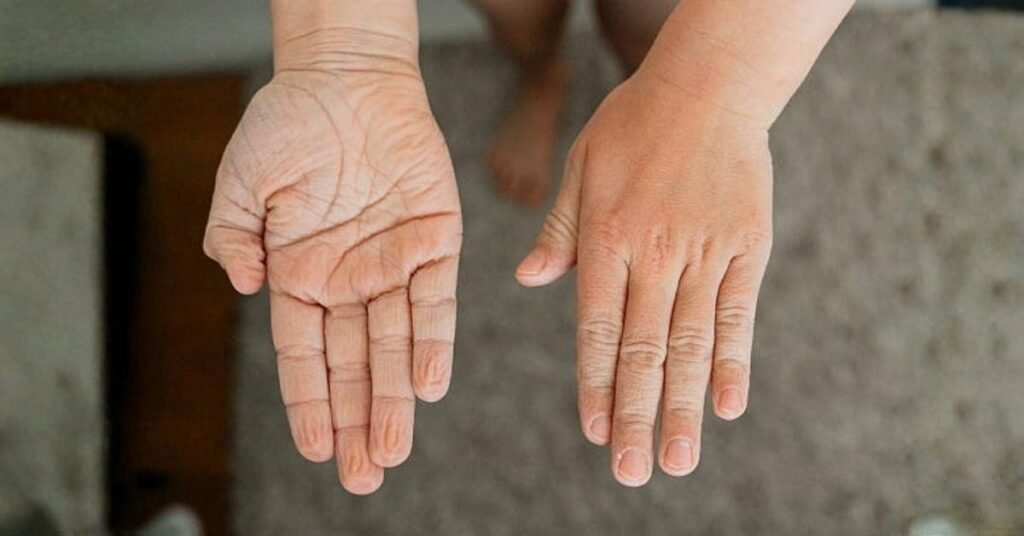
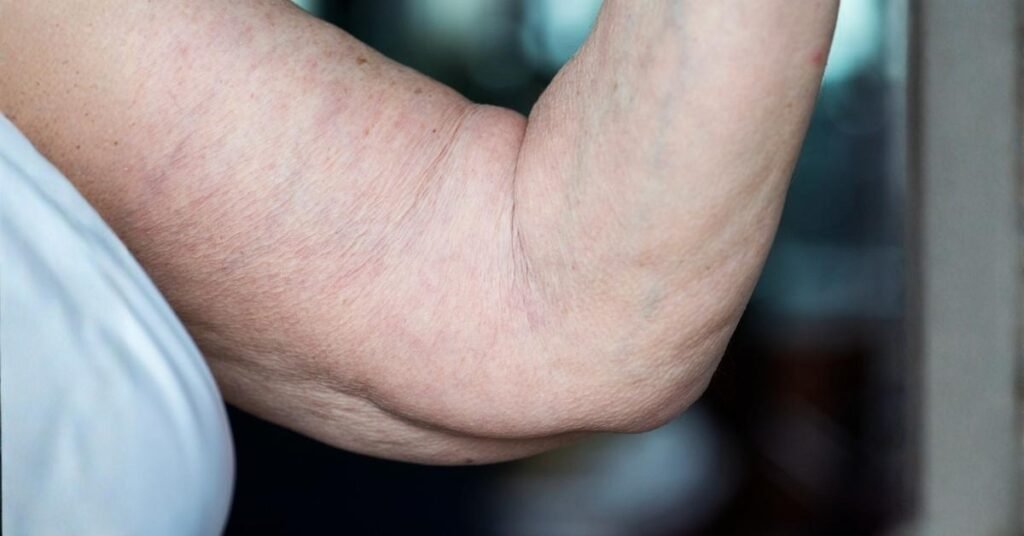
When you observe the formation of crepey skin, you are witnessing the degradation of essential structural proteins like collagen and elastin within the dermis. This condition differs from traditional fine lines because it affects larger surface areas, creating a thin, wrinkled texture that resembles delicate crepe paper.
The primary driver behind crepey skin is cumulative ultraviolet radiation exposure, which breaks down the supportive fibers that allow your skin to snap back. Over time, the loss of these proteins results in a fragile surface that lacks the thickness and resilience required to maintain a smooth and youthful silhouette daily.
Beyond environmental factors, the natural aging process reduces the production of sebum, leading to chronic dehydration that accentuates the appearance of crepey skin. Maintaining a robust moisture barrier is critical to preventing the skin from becoming translucent and losing its ability to protect the underlying tissues effectively.
Properly addressing the root causes of crepey skin involves a multi-faceted approach that combines intensive hydration with professional-grade cellular stimulation. You should focus on ingredients that penetrate the deeper layers of the skin to encourage the regeneration of the extracellular matrix for long-term structural health.
Essential Topical Ingredients for Skin Density
When you are selecting products to treat crepey skin, the presence of retinoids and alpha-hydroxy acids is vital for increasing the rate of cellular turnover. These active compounds work by removing dead surface cells and signaling the body to produce fresh, new collagen fibers in the treated areas.
Powerful Compounds for Texture Refinement
- Hyaluronic Acid: This molecule can hold up to one thousand times its weight in water, providing immediate plumping for dehydrated crepey skin.
- Prescription Retinoids: Known for their potency, these derivatives of Vitamin A are the gold standard for reversing structural damage and thickening the dermis.
- Fractionated Peptides: Use these to provide a targeted signal to your cells, encouraging the repair of elastin fibers that have become stretched out.
Adding these potent ingredients requires a gradual introduction to your routine to avoid the irritation that often accompanies highly active skincare. If the concentration is too high for your current tolerance, it can cause redness that further highlights the texture of your crepey skin.
The addition of Vitamin C and Ferulic acid can also provide a powerful antioxidant shield that prevents further environmental damage to your delicate skin cells. These small details ensure that your treatment plan is both corrective and preventative, reflecting a professional approach to long-term dermatological health and wellness.
Advanced Professional Procedures and Protocols
To achieve a professional level of skin restoration for crepey skin, you may consider clinical treatments that reach beyond the capabilities of topical creams. The most common method involves laser resurfacing, which uses concentrated light to create controlled micro-injuries that trigger a massive healing response.
| Treatment Type | Action Required | Expected Result |
| Radiofrequency | Delivers heat to deep tissue | Instant tightening and lifting |
| Ultherapy | Uses ultrasound energy | Deep collagen reorganization |
| Dermal Fillers | Injects hydrating particles | Immediate volume and smoothing |
Once the procedure is complete, secure your results by following a strict post-treatment regimen that includes high-SPF sun protection to shield the new cells. Carefully monitoring your progress with a dermatologist ensures that the treatment plan for your crepey skin is adjusted based on your specific biological response.
Place the focus on consistency during the healing phase to ensure a total structural recovery that looks natural and remains stable for several years. If the aftercare is neglected, the benefits of professional intervention for crepey skin may be diminished by new environmental stressors or oxidative damage.
Learning how to combine at-home care with clinical visits requires a bit of patience and a gentle understanding of your skin’s unique recovery timeline. Taking the time to consult with an expert can help you identify which advanced technologies will be most effective for your specific degree of skin laxity.
Lifestyle Adjustments for Dermal Longevity
While external treatments are essential, the systemic health of your body dictates the baseline quality of the canvas where crepey skin might develop. Ensure your daily habits support the synthesis of new proteins by consuming a diet rich in amino acids, healthy fats, and essential trace minerals.
Important Health Strategy Tips
- Hydration Levels: Drink adequate water to ensure your skin cells remain turgid and capable of supporting a smooth surface without sagging or wrinkling.
- Sun Shielding: Stick to a daily habit of applying broad-spectrum sunscreen to ensure your crepey skin does not worsen from incidental light exposure.
- Protein Intake: Use high-quality collagen peptides or lean proteins to provide the building blocks your body needs to maintain a thick and healthy dermis.
The nutrients you consume should be chosen based on their ability to fight systemic inflammation and how well they support the microcirculation within your skin. This small adjustment ensures that your treatment for crepey skin is supported from the inside out, making your topical efforts much more effective and visible.
Always inform yourself about the impact of sleep on your skin’s ability to repair the damage it sustained during the active hours of the day. Providing your body with enough rest can help you feel grounded and healthy while you enjoy the visible improvements in your skin’s texture and tone.
Protective Measures for Delicate Areas
For a truly comprehensive approach, you must treat the crepey skin on your neck, chest, and hands with the same intensity as your facial routine. These areas have fewer oil glands and are often the first to show the signs of thinning and laxity due to frequent sun exposure.
Using a dedicated neck cream with a thicker consistency provides a protective layer that holds moisture in place against the friction of clothing or movement. You can arrange your application techniques to include upward strokes, which help to gently stimulate the lymphatic drainage and reduce puffiness.
| Body Area | Risk Factor | Recommended Care |
| Neck & Décolleté | High UV exposure | Daily SPF and rich emollients |
| Back of Hands | Frequent washing | Thick creams with ceramides |
| Inner Arms | Friction and age | Retinol-based body lotions |
Incorporating these targeted body treatments into your list of daily habits is an excellent way to maintain a uniform and healthy appearance across your entire frame. The presence of well-hydrated skin adds a dynamic element to your overall look that makes you feel more confident and comfortable in your own body.
If you are working with extremely sensitive skin, consider a patch test before applying strong actives to the larger areas of crepey skin on your limbs. This personal touch ensures you avoid unnecessary inflammation and adds a layer of safety to your journey toward smoother and more resilient skin today.
Technical Tips for Product Layering
The secret to a routine for crepey skin that works is controlling the order in which you apply your serums and creams to maximize absorption. If you utilize the thinnest-to-thickest rule, you provide a sensory layer of hydration that seals in the active ingredients for the most effective results.
Layered products for crepey skin have a high impact on the final moisture levels of the stratum corneum, creating a soft and supple feel. However, many people prefer a simplified “one-step” approach with a multitasking cream, so the choice depends on your specific lifestyle and time commitments.
Using a wide variety of humectants and occlusives will create a more complex and professional hydration profile, which is ideal for severely dry skin. A single, well-formulated ointment will provide a more concentrated and dramatic effect that is perfect for treating rough patches of crepey skin overnight.
Be mindful of the weather conditions, as a very dry or cold environment can draw moisture out of your skin faster than you can replace it. Keeping your environment humidified and your skin protected with a physical barrier is the best way to maintain a consistent and healthy glow throughout the year.
Conclusion
In conclusion, managing crepey skin is a marvelous fusion of advanced science and dedicated daily care that elevates your overall dermatological health. By following the proper topical and clinical steps, you can create a skin texture that is as structurally sound as it is visually smooth.
The ability to customize your routine with unique ingredients for crepey skin makes the process of aging gracefully a versatile tool for every modern individual. Whether it is a simple hydrating serum or an elaborate laser treatment, the results are always satisfying and deeply rewarding for your confidence.
As you continue to explore the world of high-performance skincare, these treatments stand out as timeless and practical additions to your personal wellness repertoire. They encourage a proactive approach to health, resulting in a deeper appreciation for the simple joy of healthy and resilient skin today.
Practice your application and protection techniques to ensure your skin remains at its peak performance regardless of the environmental stressors it may face daily. With a little bit of effort, you can master the management of crepey skin and bring a touch of renewed vitality to every inch of your body.
Frequently Asked Questions
How to get crepey skin results easily?
To achieve the best results, combined methods of daily sun protection and intensive nightly hydration work best to restore the skin’s original moisture levels. This approach ensures that your crepey skin remains protected from further damage while providing a continuous supply of the nutrients needed for protein repair.
Can exercise improve skin texture?
Yes, increasing your muscle mass can help to fill out the areas where crepey skin is most prominent, providing a firmer and more toned base. While it does not change the actual quality of the dermis, the added volume creates a smoother surface that significantly reduces the appearance of fine wrinkles.
What is the best age to start treatment?
The most effective time to begin addressing the potential for crepey skin is in your early thirties, before the loss of collagen becomes more pronounced. This proactive strategy allows you to maintain the existing structural integrity of your skin, making it much easier to prevent severe thinning as you age.
Are home remedies effective for thinning?
While some natural oils can provide temporary hydration, they lack the concentration of active ingredients needed to rebuild the underlying structure of crepey skin effectively. For professional results, it is better to rely on verified clinical compounds that have been scientifically proven to stimulate collagen and elastin production.
How do I fix skin after weight loss?
Significant weight changes can exacerbate the appearance of crepey skin, but utilizing firming creams and staying hydrated can help the skin adapt over time. In cases where the skin laxity is extreme, professional tightening procedures may be the most efficient way to achieve a smooth and professional silhouette today.

With over 5 years of hands-on experience in the creative arts, I have turned my passion for DIY and home styling into a mission to inspire others. As the lead creator at UnboxTreats, I specialize in the fine details of paper crafting, yarn work, and artisanal candle making. I test every craft and decor trend to ensure you get only the most reliable and creative advice for your home.