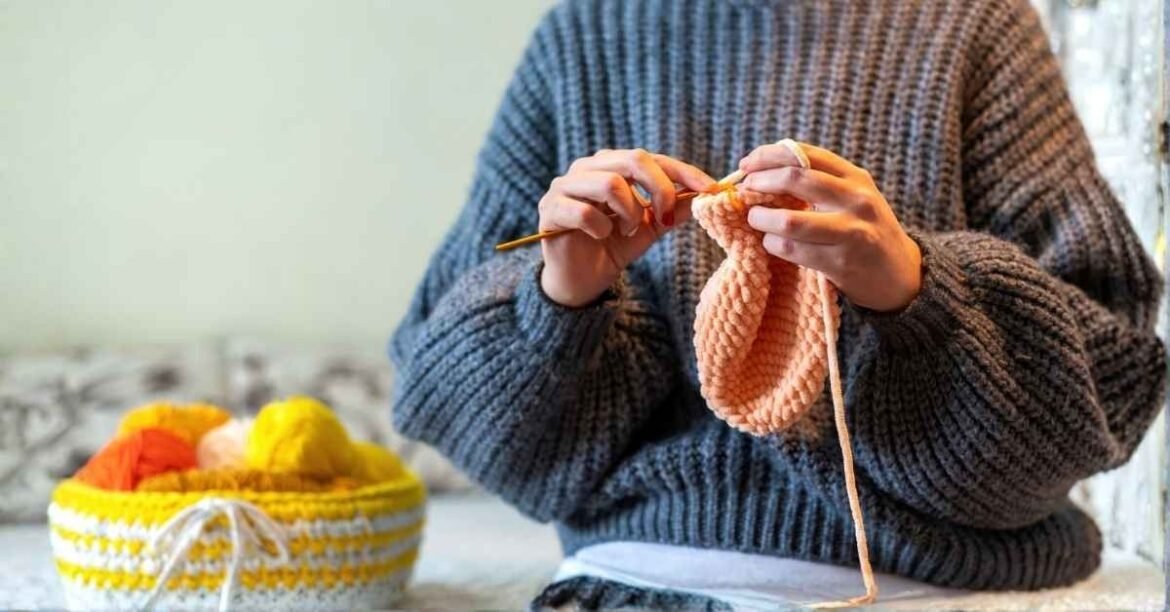
Discover the creative world of crochet knit techniques to enhance your handmade projects today. Learn how to choose yarns, needles, and hooks to create beautiful fabric for your home and wardrobe.
Introduction
Merging the worlds of crochet knit skills is a wonderful way for crafters to expand their horizons. You can transform a simple ball of wool into a complex masterpiece with just a few basic movements. These hobbies use portable tools like hooks and circular needles for every single project.
The appeal of these stitches lies in their rhythmic nature and the unique textures they produce. Beginners love the feeling of seeing a row of loops grow into a cozy scarf or blanket. Experts also enjoy these tasks for mastering the subtle differences between draped and structured fabrics.
Starting a new fiber art journey is exciting when you have a clear and helpful path. You do not need expensive machines to make something truly artistic for your family. Just grab your favorite yarn and a comfortable hook to begin your creative adventure.
The Many Benefits of Mastering Crochet Knit Skills
Learning how to perform crochet knit stitches helps you understand the architecture of textiles. The way loops interlock reveals how tension and fiber weight interact on a flat surface. It is a productive way to spend a rainy afternoon on your sofa.
Crafting also improves your fine motor skills and patience quite significantly. As you follow a pattern, you train your brain to recognize mathematical sequences. This practice is great for makers of all different age groups and backgrounds.
Creating your own garments gives you a huge sense of deep personal pride. You can wear a crochet knit sweater that you made entirely with your own hands. It feels much more special than buying a fast-fashion item from a big mall.
Handmade gifts are always cherished by friends and dear family members alike. You can customize the colors and sizes to match the personality of your loved ones. Using crochet knit techniques makes personalized holiday giving very simple and sweet.
This hobby is also very therapeutic for reducing daily stress and anxiety. The repetitive motion of the hands calms the nervous system and relaxes the mind. It is a low-cost way to invest in your mental well-being and creative health.
Finally, stitching connects you to a massive global community of fellow makers. You can share your finished objects and learn new casting-on tips from others today. It is a social activity that brings many diverse cultures together.
Essential Tools for Every Stitching Task
To begin working on a crochet knit project, you need a few fundamental items. Choosing the right tool size is the most important step for any new crafter. Look for a set of ergonomic hooks and bamboo needles for the most comfort.
Markers for stitching and a measuring tape are best for keeping your work accurate. They help you track your increases so there are no uneven or lopsided edges. This ensures your crochet knit piece has a professional and symmetrical look.
A tapestry needle and a pair of sharp scissors are also vital for finishing. You will need to weave in your yarn ends to secure the final stitches. Keeping these small tools in a zippered pouch helps you stay organized.
| Tool Name | Primarily Functional | Best Material |
| Hook for crocheting | Pulls yarn through loops to create a knotted fabric | Aluminum or Wood |
| Needles for knitting | Holds active loops in a row to create a draped fabric | Bamboo or Steel |
| Wool Yarn | Provides the structure and warmth for the project | Merino or Alpaca |
| Markers for stitching | Identifies the beginning of a round or a pattern change | Plastic or Metal |
| Gauge Swatch | Measures the number of stitches per inch for sizing | Square knitted from wool |
Top Crochet Knit Styles for New Beginners
A simple garter stitch crochet knit project is the best first step for anyone. You only need to know the knit stitch to complete a warm winter headband. It helps you practice keeping your tension even across the whole row.
Crochet granny squares are another great choice for practicing your new hook skills. They use small amounts of yarn, so you can experiment with many bright colors. Using these crochet knit motifs makes building a large blanket very manageable.
Ribbing is stylish and uses a mix of knit and purl stitches for a stretchy finish. You can find this technique on the cuffs of socks and the brims of hats. These crochet knit details are perfect for quick and satisfying results.
- Single Crochet: A dense and sturdy stitch that provides great structure.
- Stockinette: A classic V-shaped knitting pattern seen on most sweaters.
- Cable Knit: A dynamic texture showing twisted ropes of yarn on the fabric.
- Lace: A delicate and airy style created by making intentional holes.
- Amigurumi: The Japanese art of knitting or crocheting small stuffed toys.
How to Start Your First Handmade Project
Make a slip knot on your hook or needle before starting your work. Most crochet knit tutorials suggest starting with a medium-weight yarn for visibility. This creates a solid foundation that is easy to see as you work.
Cast on your stitches by creating a series of uniform loops in a row. This creates the width of your project and dictates how the final shape will look. It is the easiest way to build your confidence with the basic mechanics.
When you reach the end of a row, turn your work and begin the next one. This builds the height so the fabric grows in length over the coming hours. Now you have a rhythmic flow to enjoy as you watch your project take shape.
Understanding Yarn Weights and Fibers
The yarn is the foundation of every crochet knit masterpiece you create. It comes in different thicknesses, from lace weight to super bulky roving. Most beginners start with worsted weight because the strands are very easy to handle.
Natural fibers like wool or cotton are the opposite of synthetic acrylic yarns. When you combine the warmth of wool with the strength of silk, you get luxury. This is what makes a crochet knit garment feel soft and breathable against the skin.
Yardage is another useful factor to consider before you buy your supplies today. It tells you exactly how much yarn is in the ball so you do not run out. Learning these basics helps you choose the perfect material for your needs.
Mastering the Art of the Gauge Swatch
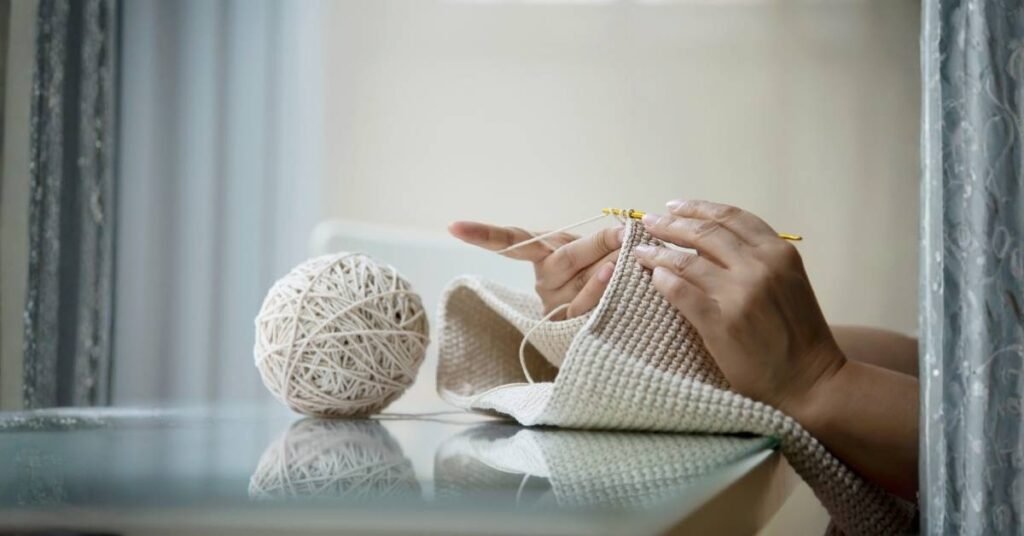
The gauge is created by knitting or crocheting a small square before you start. It results in a measurement that ensures your sweater will fit you perfectly today. This makes it ideal for garments that require specific sizing and drape.
It is a very forgiving step for those who tend to stitch too tightly or too loosely. You can change your needle size to match the pattern requirements easily. You can focus on the design without worrying about the fit later.
Many crochet knit designers rely on gauge to keep their patterns consistent for everyone. It looks professional and clean when your stitches match the intended look. It is a timeless craft secret that ensures success for every single project.
Tips for Success with Your Fiber Arts
Always read through the crochet knit pattern instructions before you buy yarn. Make sure you understand the abbreviations for the different types of stitches. This prevents confusion once you have the needles in your hands.
Check your stitch count at the end of every row to catch mistakes early. This ensures your project stays the correct size and does not grow or shrink today. It only takes a minute but saves a lot of frustration later on.
Do not be afraid to rip out your work if you see an error a few rows back. “Frogging” is a normal part of the learning process for every expert crafter. It is how every artist learned to produce high-quality and beautiful work.
Fixing Common Crafting Mistakes Fast
If your edges are curling, try adding a border of garter or seed stitch. This is a quick fix that keeps your crochet knit item lying flat on the table. Every knitter learns this trick to save a rolling stockinette scarf.
If you drop a stitch, use a Hook for crocheting to pull the loop back up to the needle. This creates a seamless repair that is invisible once the project is finished today. It is a simple technique found in many crochet knit rescue guides.
Keep your tension relaxed so the yarn can slide easily over your tools. Hard pressure can make your hands ache and ruin the drape of the fabric. Relax your shoulders and enjoy the process of creating your cozy art.
Conclusion for Crochet Knit Arts
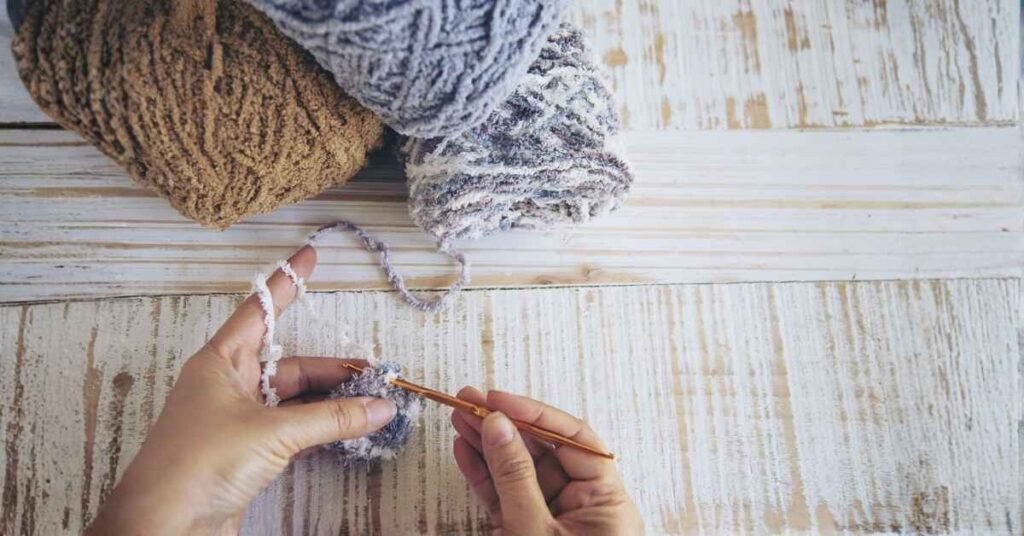
In conclusion, crochet knit hobbies are a gateway to a lifelong journey of creativity. They are easy to learn, relaxing to do, and very rewarding for everyone. You can make beautiful things with just a ball of yarn and a little time.
Crafting allows you to express your unique style while mastering the rules of physics. It is a skill that grows with you as you try more complex and exciting patterns. Start with one simple scarf and watch your confidence bloom every single day.
Visit a local yarn shop today and choose a soft color to start your first row. You will love the feeling of making something warm with your own two hands. Happy stitching as you begin this wonderful and cozy new fiber arts journey.
FAQ’S
Is it easier to learn how to crochet or how to knit first?
Many beginners find crochet easier because it only uses one hook and one active loop. However, knitting is often preferred for making clothing like socks and sweaters.
What is the best yarn for a beginner crochet knit project?
A light-colored, smooth wool or acrylic yarn in a worsted weight is the best choice. It allows you to see your stitches clearly and doesn’t split as you work.
How long does it take to finish a handmade blanket?
A large blanket can take anywhere from forty to one hundred hours to complete. It depends on the thickness of the yarn and the complexity of the stitch pattern.
Can I wash my crochet knit items in a washing machine?
It depends on the fiber; wool usually requires hand washing to prevent shrinking. Always check the yarn label for “superwash” or machine-care instructions today.
What do the numbers on Needles for knitting and Hook for crocheting mean?
The numbers represent the diameter of the tool in millimeters ($mm$). A larger number creates larger, looser stitches, while a smaller number makes tight fabric.
Visit our other article also;

With over 5 years of hands-on experience in the creative arts, I have turned my passion for DIY and home styling into a mission to inspire others. As the lead creator at UnboxTreats, I specialize in the fine details of paper crafting, yarn work, and artisanal candle making. I test every craft and decor trend to ensure you get only the most reliable and creative advice for your home.