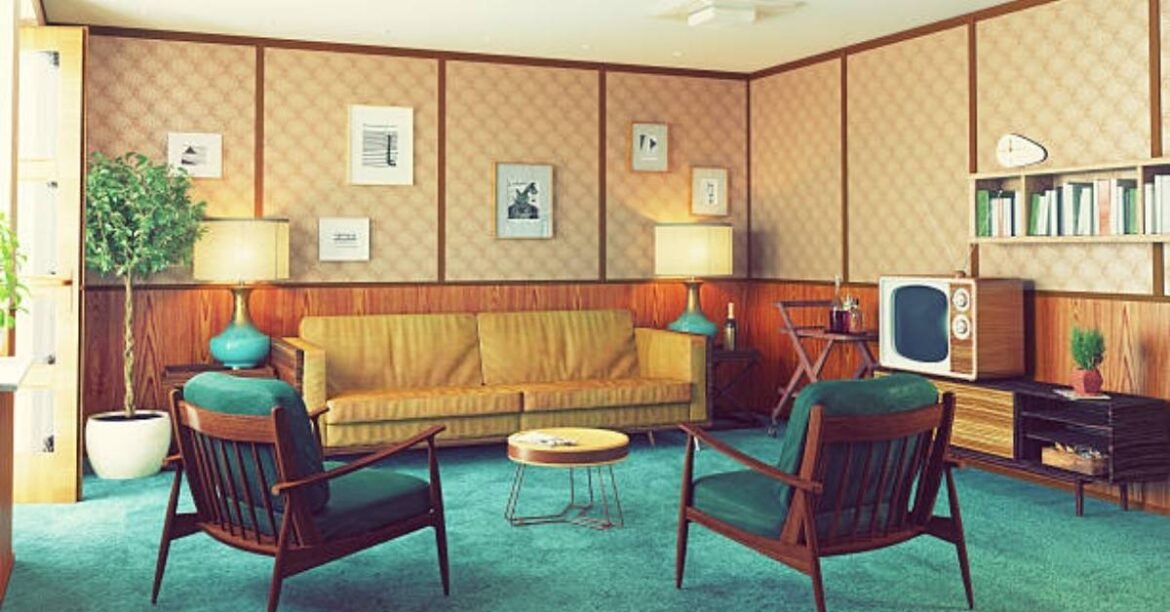
Discover the best 60s home decor trends making a comeback this year — earthy colors, lighting, color blocking, and wood paneling ideas.
Introduction
The 1960s gave the world mid-century modern furniture, bold color blocking, and statement lighting that turned ceilings into art. Decades later, 60s home decor is back in a major way — but this time, it has been refined, reinterpreted, and given a far richer, more sophisticated palette for the modern home.
According to Homes and Gardens, these 60s interior design trends have come back into favor, and interior designers say you should not overlook them. Designers across the industry agree that the decade’s bold spirit, natural materials, and confident use of color speak directly to what homeowners want in 2026: spaces that feel personal, layered, and genuinely warm rather than sterile or trend-chasing.
In this guide, you will discover nine of the most exciting 60s home decor trends making a comeback this year — verified by Homes and Gardens, House Digest, Hunker, Livingetc, Decorilla, and AND Academy — along with practical tips on how to bring each one into your home without it feeling like a costume party from the past.
Why 60s Home Decor Is Resonating So Strongly in 2026
According to Livingetc, 2025 was the year of grandma chic, and 2026 is all about nostalgic decor that invites sentimentality — provided it is done in a way that still feels modern. This shift toward nostalgia is exactly why 60s home decor feels so relevant right now. People are drawn back to the design features they associate with the warmth of childhood memories, whether that is an armchair from an old family photo or a wallpaper pattern from a first bedroom.
This emotional pull is not about copying the past exactly. According to Livingetc, nostalgic decor is less about a specific trend and more about a feeling — creating a warm, lived-in space that has evolved organically over time, or is at least designed to feel that way. The best 60s home decor revivals of 2026 take this exact approach, borrowing the decade’s spirit while updating its execution for contemporary tastes.
According to AND Academy, mid-century modern interior design — the broader movement that defined much of 60s home decor — embraces simplicity, smooth lines, and breathable, clutter-free spaces. In 2026, designers are blending those clean foundations with earthy tones and bursts of color to create something that feels both calm and quietly confident.
The 60s Home Decor Color Palette in 2026
Color is at the very heart of 60s home decor, and understanding how the palette has evolved is essential before bringing this trend into your own space.
According to House Digest, design historian Sarah Stafford Turner explains that neutral colors like gray, olive, beige, and taupe aligned with the dignified, utilitarian aims of mid-century modernism, though toward the mid-1960s, colorful accents in teal, orange, and yellow began appearing in lamps, rugs, and armchairs. Today, these same earthy colors are returning, though House Digest notes they are less muted and muddy than the originals.
According to House Digest, designers Barry Bordelon and Jordan Slocum of The Brownstone Boys coined the term earthy vibrancy to describe this new direction — color palettes that are richer, more saturated, and more grounded than the hues of the 1960s. Think deep burgundy instead of burnt orange, spiced brown instead of warm chocolate, and true olive green rather than avocado green. House Digest also recommends golden yellow, creamy off-white, and dark oceanic blue as standout choices, expressed through textiles, drapery, and warm metallic fixtures.
According to AND Academy, the 2026 mid-century palette blends earthy tones like browns, greens, and grays with bright accent colors such as mustard yellow, olive green, and turquoise — a combination that brings energy to a room without overwhelming the overall sense of calm that defines the style.
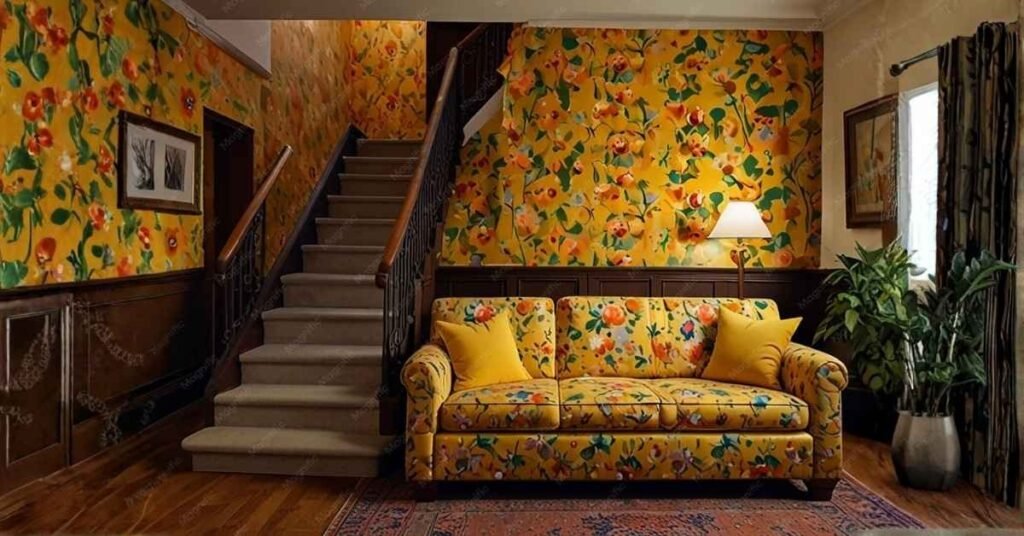
9 Iconic 60s Home Decor Trends Making a Comeback
Every trend below is verified by interior design publications and design experts actively covering the 2026 home decor landscape.
1. Earthy, Saturated Color Palettes
Earthy tones were the foundation of 60s home decor, and they are returning with far more depth and richness than they did in the original era. According to House Digest, neutral colors like gray, olive, beige, and taupe defined the early part of the decade, evolving into bolder teal, orange, and yellow accents by the mid-1960s.
In 2026, this earthy vibrancy trend uses deeper, more saturated versions of these same tones. Deep burgundy, spiced brown, and true olive green replace the lighter, muddier shades of the original decade, paired with golden yellow and dark oceanic blue for contrast. This updated palette allows the style to feel grounded and sophisticated rather than dated or overly retro.
2. Statement Mid-Century Lighting
According to Hunker, walk into any home in the 1960s, and you were likely to spot one thing overhead: a funky midcentury lighting pendant. Everyone had them, and in 2026, this exact feature became one of the top design trends of the year. Designer Angela Wells tells Redfin that one of her favorite elements is statement lighting — sculptural pendants and bold fixtures that double as art within a room.
According to Hunker, designer Jacqueline Gonçalves explains that many vintage designs from the midcentury era focus on balance, proportion, and geometry rather than decoration. The recommendation is to choose a sculptural fixture for a dining room or living space and let it act as the room’s anchor, hanging it directly over a table or pairing it with other large furniture pieces to create a clear visual sightline throughout the room.
3. Bold Color Blocking
Color blocking was a defining visual signature of 60s home decor, and according to Homes and Gardens, this design style is once again proving popular. Bold hues and color blocking prevailed in the decade, and the revived trend today adds personality and character to any room through brightly colored sections and geometric shapes.
According to Homes and Gardens, designer Hannah Ye notes that many design elements from the 1960s continue to influence today’s home décor, citing a fearless color palette featuring lime greens, organic mustards, and groovy oranges alongside bold patterns and artwork as a way to offer a deeply personalized touch. A graphic wall treatment using a few confident color blocks, paired with simple furniture lines, keeps the look balanced rather than chaotic.
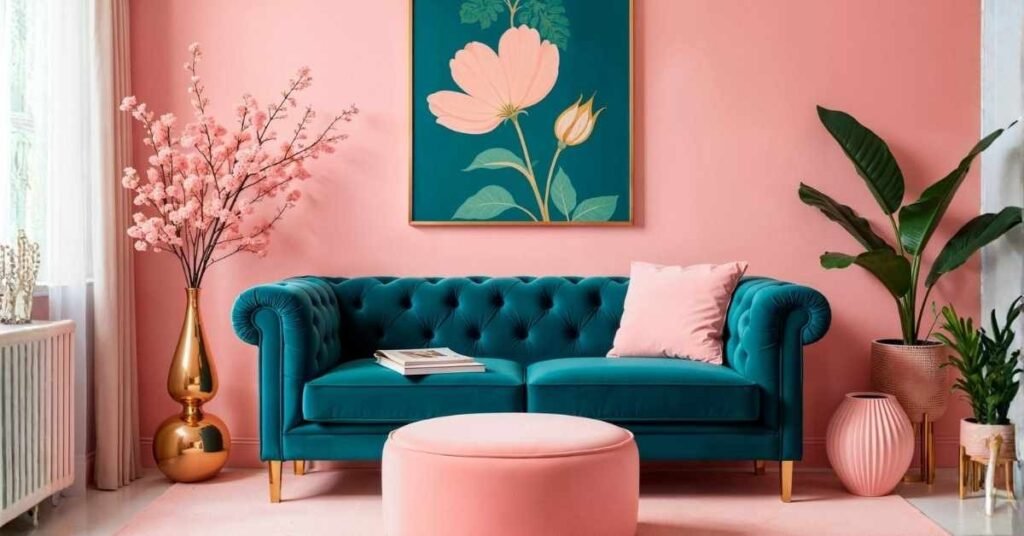
4. Wood Paneling and Rustic Wood Accents
Wood paneling defined countless 60s living rooms, and according to Livingetc, this nostalgic feature is making a genuinely cool comeback in 2026. A wood-paneled living room harks back to the warmth of mid-century decor, whether achieved through a full accent wall or more subtle rustic touches throughout a space.
Livingetc notes that wooden tones do not necessarily have to dominate an entire room. A few rustic wood accents can imbue a space with the same nostalgic charm reminiscent of a mid-century home, without requiring a full commitment to wood-clad walls. Burl wood furniture, a wooden accent wall, or even a single statement piece can deliver the warmth associated with this trend.
5. Chair Rails and Architectural Molding
According to Livingetc, chair rails — also known as dado rails — are no longer considered a dated design detail. Retro-fitting chair rails or another form of paneling is one of the easiest ways to give a home a nostalgic touch connected to 60s home decor, and architectural molding trends have already dominated interior design conversations for the past several years.
Livingetc describes chair rails as a prominent iteration of the broader molding trend that carries enormous nostalgic weight. Pairing a chair rail with a contrasting paint color above and below creates instant depth and visual structure, echoing the architectural detailing that was common in many 60s homes without requiring a full renovation.
6. Tapered Wood Furniture Legs
According to AND Academy, mid-century modern furniture often includes pieces with tapered legs, such as chairs and tables, giving a sleek and light appearance that adds to the airy feel of a room. This detail was everywhere in 60s home decor and remains one of the easiest ways to instantly signal mid-century influence in a modern space.
AND Academy notes that simple shapes — rectangular sofas, round coffee tables — paired with tapered legs help maintain a minimalist, uncluttered look that blends seamlessly with both vintage and contemporary furnishings. Velvet and corduroy upholstery with a low-profile silhouette is also dominating 2026 mid-century interiors, adding texture without sacrificing the clean lines associated with the original decade.
7. Pale Checkered and Pastel Patterns
According to Homes and Gardens, designer Hannah Ye describes a pale chequered look with off-whites and pastels, such as pale blue, as giving a wonderful mid-century feel that is light and joyful, alongside the bolder color-blocked looks that also define this era. This muted, softer side of 60s home decor offers an alternative for homeowners who want the nostalgic feeling without committing to highly saturated colors.
This pastel-influenced approach pairs particularly well with simple geometric patterns and clean-lined furniture, creating a fresh and lighthearted version of mid-century style that feels distinctly different from the deeper, moody, and earthy palettes also trending this year.
8. Natural Materials and Authentic Craftsmanship
According to AND Academy, natural materials like leather, wood, and metals bring strength and authenticity to mid-century interiors, with teak, walnut, oak, brass, and glass standing out as particularly trustworthy choices that help a space feel grounded and connected to nature. This focus on authentic materials was central to original 60s home decor and remains just as important in its 2026 revival.
Homes and Gardens also reports a continued love of wooden cabinetry from this decade, noting that the 60s decade was part of the mid-century era when wooden cabinetry was all the rage. Choosing real wood, brass hardware, and leather upholstery over synthetic alternatives helps any 60s-inspired room feel genuinely crafted rather than mass-produced.
9. Layered, Collected Interiors with Vintage Pieces
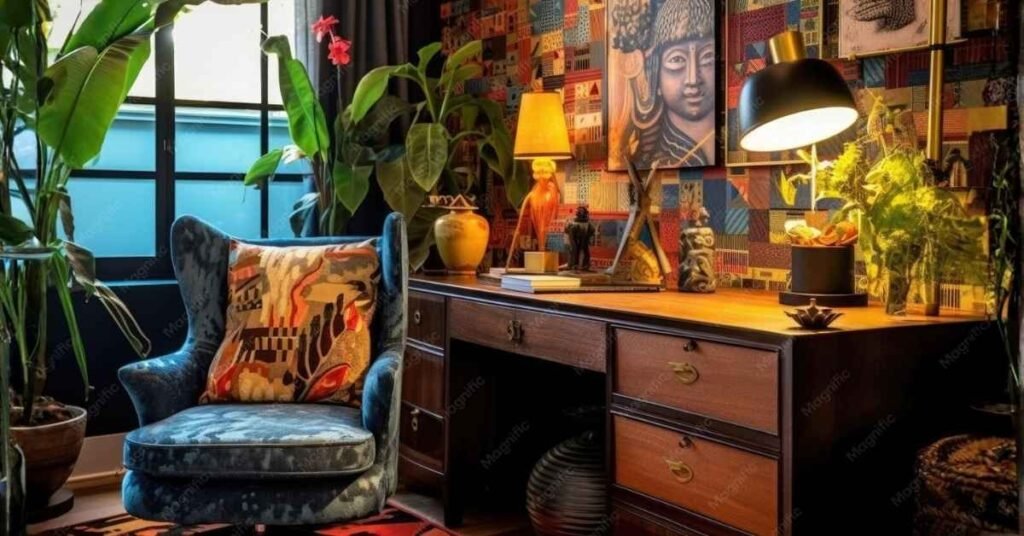
According to Homes and Gardens, designer Sophie recommends focusing on creating interiors with longevity — spaces that feel calm, elegant, and deeply personal rather than trend-driven. A key shift toward more layered interiors means mixing antiques with contemporary pieces, combining an antique commode or weathered oak table with tailored upholstery or modern lighting for a home that feels collected over time.
This layered approach is one of the smartest ways to bring 60s home decor into a contemporary space without it feeling like a time capsule. According to Homes and Gardens, avoiding the time capsule effect means decorating with meaningful pieces and embracing today’s coveted color and furniture trends alongside the vintage elements you love, rather than recreating an entire room exactly as it once was.
How to Avoid Common 60s Home Decor Mistakes
While 60s home decor is enjoying a strong revival, a few common missteps can make a room feel dated rather than intentionally nostalgic. Knowing what to avoid is just as important as knowing what to embrace.
According to AND Academy, avoid combining various era styles while designing a mid-century modern setting. If you blend items from too many eras at once, the space may appear disorganized and chaotic rather than cohesive. Make sure your décor and furnishings complement the mid-century modern foundation and mix them carefully with modern elements so the overall room feels coordinated and intentional rather than accidental.
According to Homes and Gardens, an all-white and gray palette can instantly make a home look dated in 2026, removing warmth from a space that once felt neutral and modern. Designers recommend warmer creamy whites and richer wood tones in place of cold grays, with deeper blues and greens used for contrast to create a space that feels inviting and timeless rather than sterile.
Conclusion
60s home decor is one of the most exciting and emotionally resonant design influences shaping interiors in 2026. From earthy, saturated color palettes and statement mid-century lighting to bold color blocking, wood paneling, and beautifully layered collected spaces, the decade offers a rich foundation that today’s designers are reinterpreting with genuine sophistication and care.
The key to a successful revival, according to every expert cited in this guide, is balance. Choose a handful of authentic 60s home decor elements, update them with richer colors and quality natural materials, and layer them thoughtfully alongside contemporary pieces. That is exactly how the best 60s home decor moments of 2026 are being created — and exactly why this nostalgic, warm, and confidently colorful design era continues to feel so genuinely relevant today.
Frequently Asked Questions (FAQs)
Q1: What are the most popular 60s home decor trends in 2026?
The most popular 60s home decor trends in 2026 include earthy saturated color palettes, statement mid-century lighting pendants, bold color blocking, wood paneling, chair rails, architectural molding, and tapered wood furniture legs. Layered interiors that mix vintage pieces with contemporary furnishings are also trending strongly across major design publications.
Q2: What colors define 60s home decor?
60s home decor was originally defined by neutral colors like gray, olive, beige, and taupe, evolving into bolder teal, orange, and yellow accents by the mid-1960s. In 2026, these tones are returning in richer, more saturated versions — deep burgundy, spiced brown, true olive green, golden yellow, and dark oceanic blue — a direction designers call earthy vibrancy.
Q3: How do I bring 60s home decor into my space without it looking dated?
To avoid a dated look, designers recommend avoiding all-white and gray palettes, which can feel sterile and cold in 2026. Instead, layer authentic 60s home decor elements like wood paneling, tapered furniture legs, or statement lighting with warmer neutrals and contemporary pieces, creating a collected, intentional look rather than a strict period recreation.
Q4: Is mid-century modern the same as 60s home decor?
Mid-century modern is the broader design movement that spans roughly the 1940s through the 1960s, with 60s home decor representing its later, more colorful evolution. While both share clean lines, natural materials, and simple furniture shapes, 60s-specific decor leans more heavily into bold color blocking, statement lighting, and the earthy-to-vibrant color shift that emerged later in the movement.
Q5: What is the easiest way to start incorporating 60s home decor?
The easiest starting points are small, low-commitment changes: adding a mid-century pendant light, introducing a chair rail with contrasting paint above and below, or choosing furniture with tapered wood legs. According to designers, picking one or two signature elements and pairing them with warm neutrals delivers authentic 60s home decor character without requiring a full room renovation.

With over 5 years of hands-on experience in the creative arts, I have turned my passion for DIY and home styling into a mission to inspire others. As the lead creator at UnboxTreats, I specialize in the fine details of paper crafting, yarn work, and artisanal candle making. I test every craft and decor trend to ensure you get only the most reliable and creative advice for your home.