
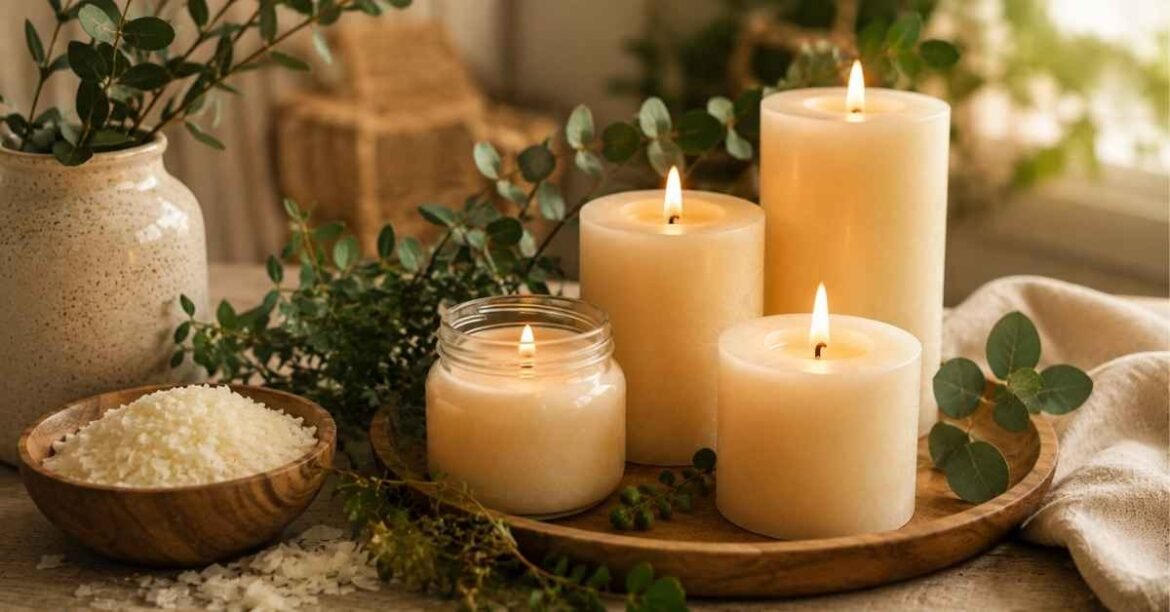
Curious about candle natural wax? Discover 5 proven benefits of choosing soy, beeswax, or coconut wax for a cleaner, healthier home. candle natural wax
Introduction
A few years ago, I noticed that lighting my favorite store-bought candles routinely triggered subtle headaches and left faint black soot marks along the edges of my living room walls. Intrigued and slightly concerned, I started reading labels and researching candle chemistry. Discovering how paraffin is derived as a petroleum byproduct pushed me to look for healthier alternatives. Making my transition to candle natural wax completely changed how I experience home fragrance.
Derived from renewable plant oils, crops, and natural insect byproducts, plant-based waxes produce a clean, slow burn without releasing toxic chemicals into your indoor air. Whether you enjoy crafting your own candles at home or buying hand-poured artisanal options, learning why natural candle wax performs better gave me total confidence in my choices. Here is a comprehensive guide detailing the five proven benefits of using natural waxes to keep your living space fresh, healthy, and beautifully fragrant.
1. Cleaner Air Quality and Zero Toxic Petroleum Fumes
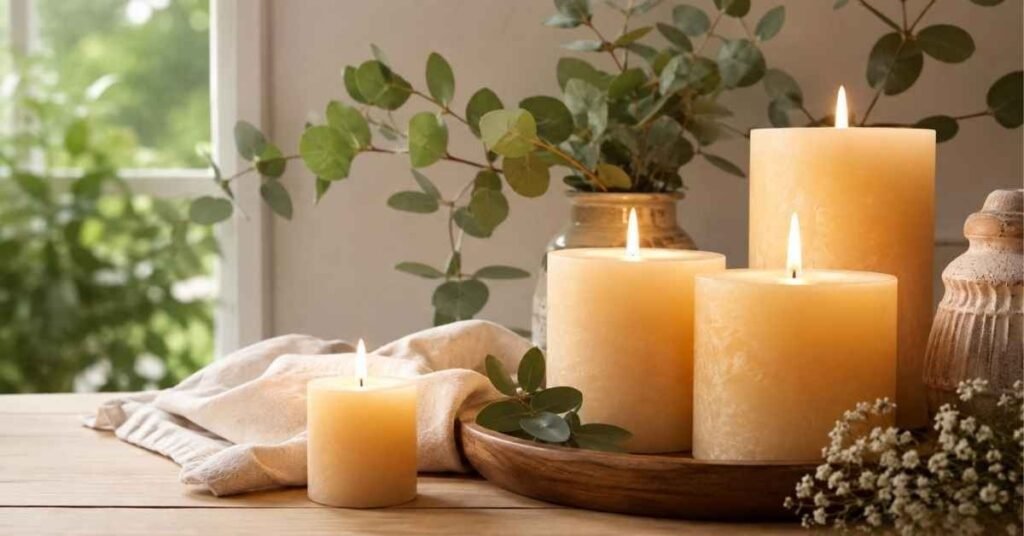
The most significant advantage of plant-based candle wax is its clean combustion profile. Traditional paraffin candles are made from petroleum refining byproducts that release volatile organic compounds like toluene and benzene into your home when burned. These harsh chemicals degrade indoor air quality and often trigger respiratory irritation, allergies, or persistent headaches.
In contrast, switching to natural wax candles removes harmful pollutants from your breathing space entirely. Natural waxes produce zero toxic off-gassing and leave no black petroleum soot on your walls, ceilings, or furniture. Lighting a plant-based candle fills your room with clean warmth, protecting your lungs while keeping your home environment fresh, safe, and truly unpolluted for your family.
2. Slower Burn Rate for Longer-Lasting Illumination
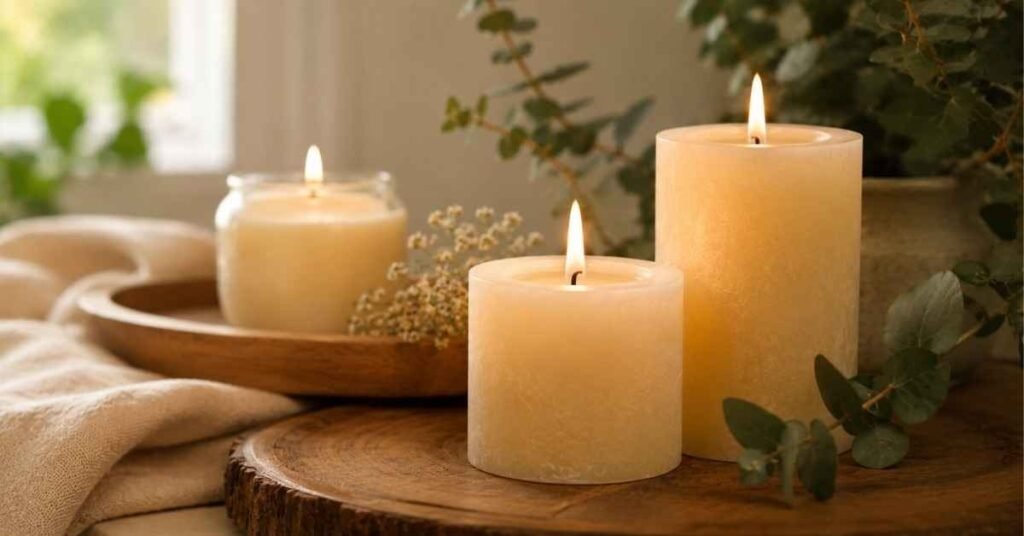
Natural waxes have a lower melting point and a higher molecular density than petroleum paraffin. Because of this physical structure, plant and insect waxes melt slowly and evenly, extending the total lifespan of your candle significantly over time.
A slower burn rate makes natural wax candles far more economical over time. While a standard paraffin candle might burn away rapidly in a few evenings, a soy or beeswax candle of the same size will provide up to fifty percent more hour-for-hour burn time. Investing in natural waxes means you enjoy your favorite candle scents for dozens of additional hours without needing frequent, costly replacements.
3. Superior Fragrance Retention and Authentic Scent Throw
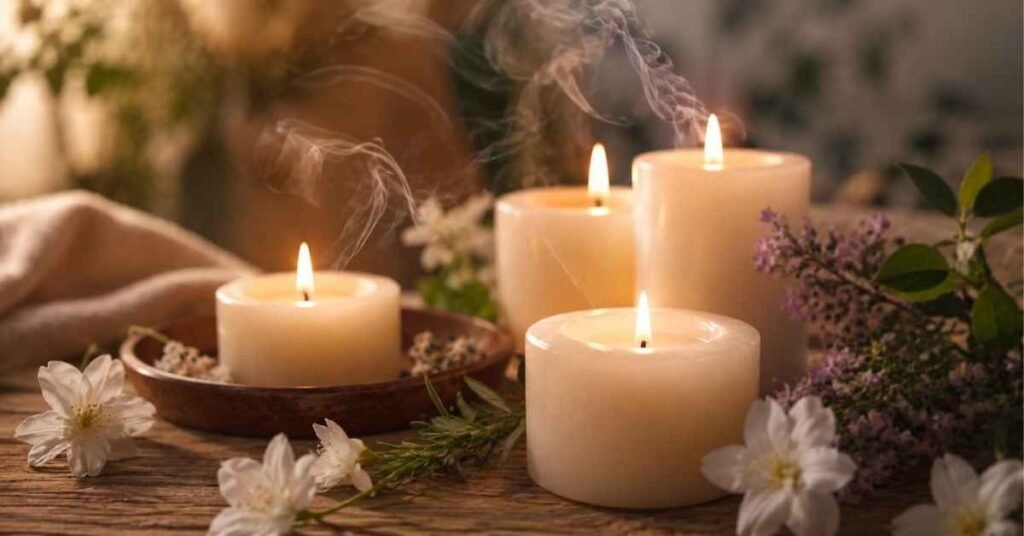
Another remarkable benefit of plant-based waxes is how effectively they absorb and release fragrance. Synthetic paraffin burns at high temperatures, often scorching fragrance molecules before they can disperse evenly throughout the room.
Because natural waxes melt at lower temperatures, they release essential oils and fragrance notes gradually and evenly. This gentle diffusion creates a richer, more authentic aroma that fills your living space naturally without smelling artificial or overwhelming. Enhancing fragrance oil retention in candle natural wax ensures a softer, more inviting ambiance that lingers pleasantly long after you extinguish the flame.
4. Biodegradable and Eco-Friendly Renewable Sourcing
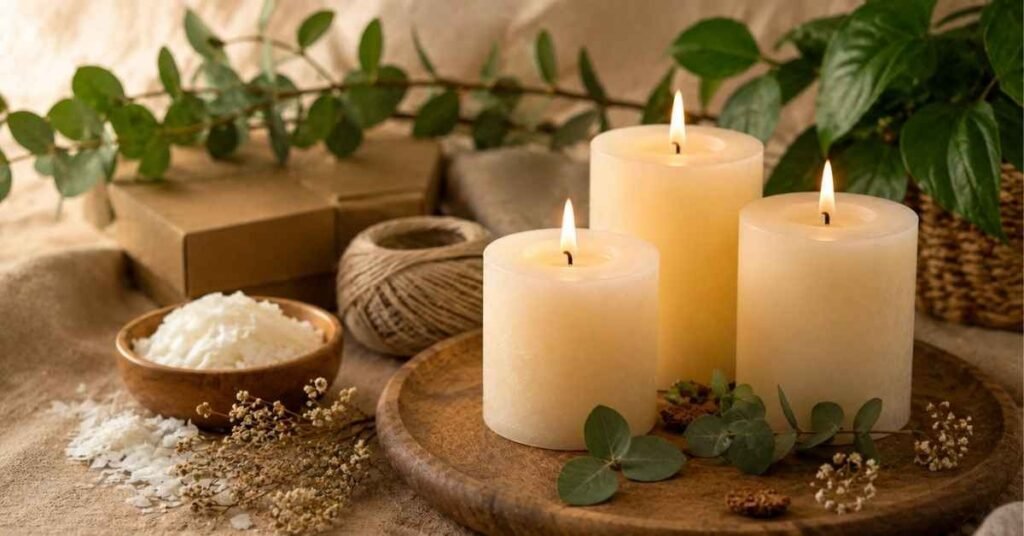
Petroleum-based paraffin relies on non-renewable fossil fuel extraction, contributing to environmental pollution and carbon emissions. Natural waxes, on the other hand, are derived from sustainable crops like soybeans, coconuts, and natural honeycombs harvested responsibly by beekeepers.
Choosing renewable candle natural wax supports sustainable farming practices and reduces global reliance on crude oil extraction. Furthermore, plant waxes are 100% biodegradable, meaning they break down naturally in the environment without leaving toxic chemical residues behind in landfills. Using natural waxes allows you to enjoy home fragrance while maintaining an eco-conscious, environmentally responsible lifestyle.
5. Effortless Cleanup and Easy Maintenance
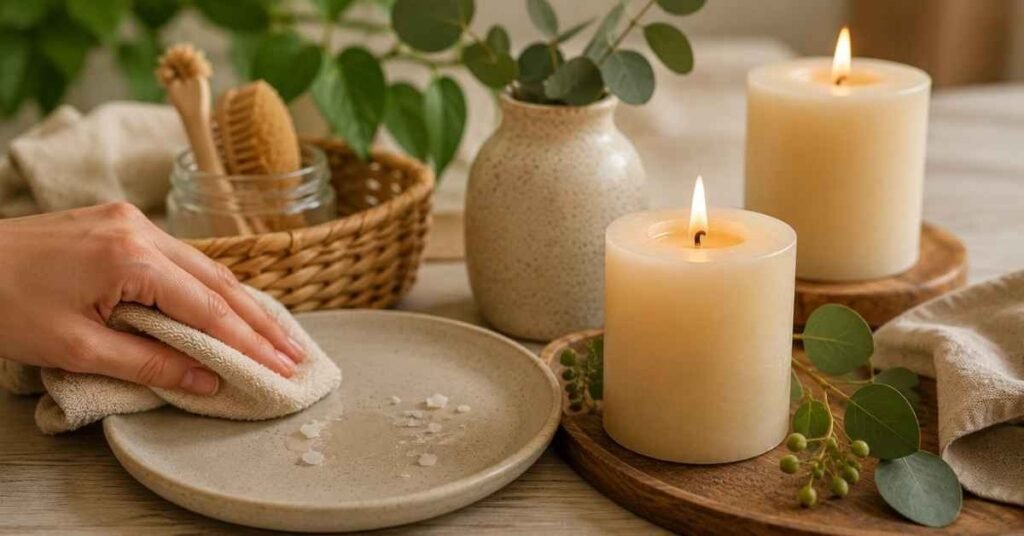
Accidental wax spills on counter surfaces, wooden tables, or carpet fabrics can be frustrating to clean when dealing with synthetic paraffin. Paraffin hardens into a rigid, petroleum-based residue that requires harsh chemical solvents or vigorous scraping to remove completely.
One of the most convenient everyday benefits of plant-based options is how user-friendly they are to clean up. Wax spills involving natural candle wax wash away effortlessly using warm water and mild dish soap. Whether you spill wax while crafting DIY candles or accidentally tip a melted jar, simple soap and warm water dissolve the spill in seconds without damaging your home surfaces.
Understanding the Unique Natural Wax Varieties
To select the perfect candle for your home, it helps to understand the distinct qualities of the primary natural wax types available today:
- Soy Wax: Derived from hydrogenated soybean oil, soy wax is a popular candle natural wax option known for its smooth creamy appearance, clean burn, and excellent availability.
- Beeswax: Harvested from honeybee hives, beeswax stands as the oldest candle natural wax known to humanity. It offers a dense, long burn and releases air-purifying negative ions.
- Coconut Wax: Cold-pressed from coconut meat, coconut blends represent luxury candle natural wax formulas that hold high fragrance loads and burn cleanly with minimal soot.
Conclusion
Transforming your home fragrance habits does not require sacrificing luxury or scent quality. By replacing petroleum products with pure plant and bee-derived waxes, embracing the purity of candle natural wax transforms your living space into a cleaner, healthier sanctuary. Choose natural, burn clean, and enjoy the soothing glow of pure candle craftsmanship every single day.
Frequently Asked Questions
1. Which type of candle natural wax burns the longest?
Pure beeswax has the highest density and highest melting point among natural options, making it the longest-burning wax available, followed closely by soy and coconut blends.
2. Is candle natural wax safer for pets and children?
Yes. Natural plant and insect waxes do not emit toxic petroleum fumes, toluene, or heavy black soot, making them significantly safer for indoor air quality around children and sensitive pets.
3. Why does my soy candle have a bumpy surface after burning?
Bumpy or rough surfaces after burning are completely normal characteristics of pure, unadulterated soy wax. It indicates that the wax is free from synthetic plasticizers and paraffin additives.
4. Can I mix different types of candle natural wax together?
Yes! Blending soy wax with coconut or beeswax creates a customized candle that combines the slow burn of soy, the scent throw of coconut, and the firmness of beeswax.
5. How do I clean spilled natural wax from surfaces?
Unlike paraffin, plant-based waxes like soy and coconut melt easily with heat and wash away using warm water, dish soap, and a soft cloth.

With over 5 years of hands-on experience in the creative arts, I have turned my passion for DIY and home styling into a mission to inspire others. As the lead creator at UnboxTreats, I specialize in the fine details of paper crafting, yarn work, and artisanal candle making. I test every craft and decor trend to ensure you get only the most reliable and creative advice for your home.