
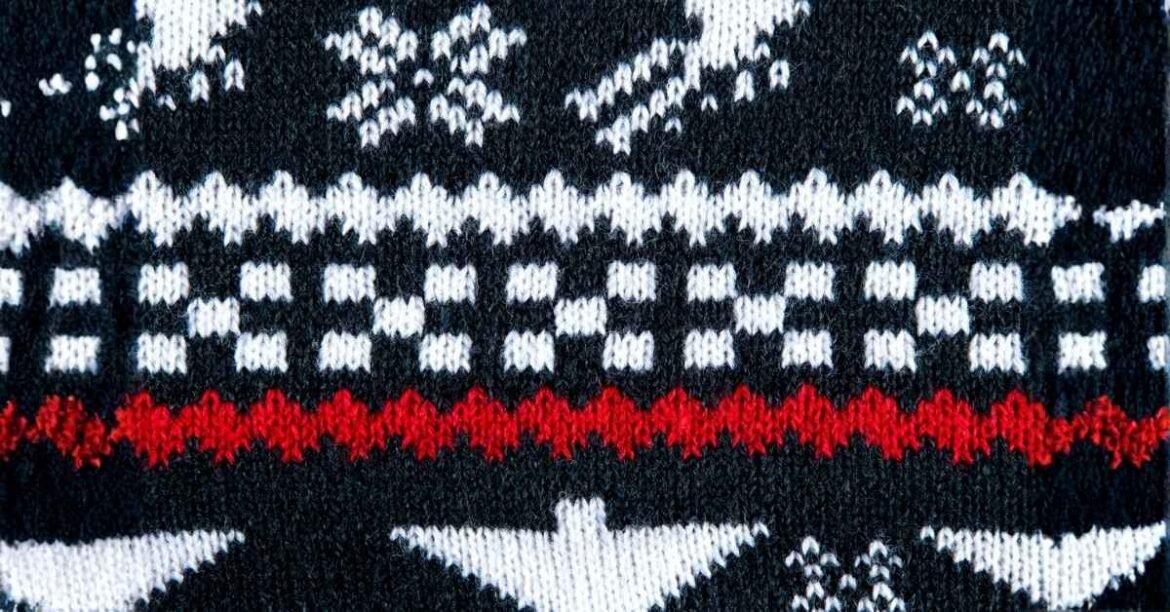
Explore beautiful knit stitch patterns to elevate your next handmade project today. Learn how to combine knits and purls for a professional and clean appearance.
Introduction
Mastering various knit stitch patterns is an essential skill for any crafter looking to add depth and character to their blankets or sweaters. These designs rely on the fundamental interplay between two basic movements to create an infinite array of visual effects and tactile surfaces. Most enthusiasts find that experimenting with new sequences provides a productive way to advance their technical expertise during a quiet afternoon at home.
The true beauty of knit stitch patterns lies in how a simple strand of yarn can be transformed into a complex fabric with lasting structural integrity. By choosing specific combinations of loops, you can produce professional-grade accessories that look sophisticated and intentional in any wardrobe or living space. It is vital to maintain consistent tension across every row to ensure your finished work remains sharp, flat, and perfectly aligned.
When selecting new knit stitch patterns, consider the visual impact of the yarn’s fiber and weight on the clarity of the design. A well-executed motif serves as a wonderful conversation piece and can even be used as a high-quality personalized gift for friends or family members. Let us examine the most popular categories and modern trends that will help you thrive in the world of creative fiber arts today.
Popular Texture Families for Knit Stitch Patterns
The most traditional choice among knit stitch patterns is the “Ribbing” family, which offers a highly elastic and functional look for garment edges. This category uses alternating columns of vertical loops to create a stretchy fabric that fits comfortably against the skin while maintaining a very tidy finish. It is a very practical and approachable style that highlights a clean aesthetic while keeping your cuffs and necklines feeling secure.
If you want a bit more energy, consider knit stitch patterns from the “Basketweave” or “Checkerboard” groups for a bold geometric pop. These profiles feature blocks of contrasting textures to add a charming and professional air to your home decor projects or chunky winter scarves. This style adds a subtle focal point and a rhythmic sensation while still maintaining a very vibrant and wearable vibe for your social life.
For the bold individual, “Cable” or “Twisted” designs are the go-to among knit stitch patterns for making a stunning and powerful statement. These looks are incredibly elegant and add a touch of high-fashion drama with intertwined ropes and braids for a sculpted sensory experience. It is a sophisticated choice for someone who wants to stand out with total confidence during a cold winter night out in a handmade piece.
| Pattern Type | Best Use | Visual Impact |
| Garter Stitch | Scarves and washcloths | Reversible, bumpy, and very classic |
| Stockinette | Sweaters and hats | Smooth, “V” shaped, and professional |
| Seed Stitch | Borders and blankets | Grainy, textured, and incredibly flat |
| Moss Stitch | Cardigans and pillows | Elongated texture, soft, and balanced |
Essential Tools for Executing Knit Stitch Patterns
The foundation of high-quality knit stitch patterns depends on the specific needles and materials you use to manipulate your chosen yarn. High-quality bamboo or stainless steel tools are essential for creating a seamless flow that allows the loops to glide at a steady and even pace. Using the right equipment ensures your fabric performs perfectly on every row for a natural and professional look that lasts.
Another key part of your knit stitch patterns experience is the use of stitch markers to track your progress through complex repeats. This step creates a beautiful frame of reference that helps your work look more effective and professionally styled even when the design is intricate. It prevents the count from becoming lost and ensures your favorite motif remains the bright and vibrant center of your creative routine.
Don’t forget the power of a measuring tape to check the gauge of your knit stitch patterns once you have finished a few inches. A quick assessment can provide a sharp and sophisticated confirmation of the size depending on your tension and your personal preference. This keeps the project looking fresh and prevents any sizing issues from developing during your busy and productive crafting schedule.
Creative Ways to Layer and Blend Motifs
Incorporating a bold focal point into your knit stitch patterns is a simple way to update your style for the current season and trends. You can use a single ornate panel alongside a plain background to create a full and textured look that frames the center of a garment. Pairing a base of smooth loops with a top of raised textures keeps the focus on your skill for a chic and curated vibe.
Another great idea for exploring trendy knit stitch patterns is to experiment with “slip-stitch” colorwork for a modern and very cohesive appearance. Using two different colors in a mosaic style can make your blankets appear more architectural and hydrated with visual interest during the day. Choosing a palette that matches your home decor creates a very harmonious and balanced design for your overall professional presence.
For special celebrations, adding a touch of metallic-blend yarn to your knit stitch patterns can provide a bright and festive feel for your accessories. You can work a few rows of sparkle to catch the light beautifully as you move and speak during your party or a formal dinner. Always ensure the yarn is soft to maintain the subtle and safe aesthetic for your healthy and radiant lifestyle today.
- Matte Fibers: Use wool or cotton for a very modern and shine-free frame for your textures during the afternoon.
- Pointed Tips: Use sharp needle ends for a natural and healthy-looking flow through complex lace or cables.
- Graphic Charts: Use a bold visual guide to define your repeats without creating a heavy or distracting mistake.
- Blocking Mats: Place a light wash of steam on the finished piece to reflect the natural beauty of the design.
Why Tension Control is Vital for Knit Stitch Patterns
The success of your knit stitch patterns depends heavily on the health and the consistency of the loops across your entire project. You must always start with a relaxed grip to ensure the yarn moves freely and stays perfectly even for a clear and professional result. A well-managed tension allows your fabric to look more professional and vibrant throughout a long and active afternoon of crafting.
Using a row counter is another secret to a professional knit stitch patterns look because it creates a smooth and error-free progression. This process reveals a fresh way to enjoy your hobby that reduces the need for ripping out work and makes your project look even more radiant. It is a simple step that improves the longevity of your handmade items and your confidence every single day of the week.
Using a darning needle to weave in ends of your knit stitch patterns is essential for protecting your work from unraveling or looking messy. Many modern tools are designed to be lightweight and work perfectly as a shield for your seams during your busy morning routine. This ensures your garments remain healthy and strong for many years of beautiful and classic professional beauty success ahead.
Selecting the Right Yarn for Your Environment
When you are browsing for new materials for your knit stitch patterns, check the fiber content to ensure they match your daily needs. If you live in a warm climate, look for plant-based fibers like linen or cotton that will provide extra breathability throughout the entire afternoon. These formulas help to keep your body fresh while providing a very smooth and even stitch definition for your natural beauty.
For those who enjoy a cozy feel, merino and alpaca knit stitch patterns are the best choice for a glowing and soft appearance. These items contain natural animal fibers that provide warmth and prevent the fabric from feeling thin or tight during the winter months. It creates a dewy and fresh appearance of comfort that looks amazing in any type of natural light or photography for your life.
Sensitive skin requires a gentle knit stitch patterns approach that uses organic or silk-blend yarns to avoid any distracting irritation. Look for labels that mention “extra-fine” or “baby-safe” to ensure the texture will not cause any stress during your professional work hours. Taking care of your skin’s comfort is the first step toward a beautiful and healthy professional life for your goals.
Concluding Steps to Perfect Your Fabric Finish
The last step in your journey toward perfect knit stitch patterns is checking the drape of your fabric in different types of light and movement. Natural movement is the most honest way to see if your stitch choice is seamless and your fabric is accurate for the intended use. If a texture looks a bit stiff, you can use a larger needle size to soften the appearance for a natural and fresh look.
Consider the longevity of your knit stitch patterns by performing a quick wash and block of your finished swatches to keep them fresh. A quick soak in a gentle wool wash is usually all you need to maintain your sharp appearance during a busy season. This allows you to feel confident and ready for any spontaneous outings or social gatherings that may arise during your busy schedule.
Most importantly, let your knit stitch patterns be a reflection of how you feel on the inside during your special and productive hours. There are no strict rules in creative expression, so feel free to experiment with different trends and colors that make you smile. Style is about feeling your best and most polished self every single day.
Conclusion
Mastering various knit stitch patterns is a rewarding process that enhances your daily confidence and your professional aesthetic today. By focusing on tension health, the right tools, and a balanced fiber palette, you can create a stunning and efficient wardrobe. Remember that knitting is a journey of exploration and finding what works for your unique personality and your vibrant lifestyle.
Start with simple techniques like garter or stockinette to see how they change your overall productivity and your mood. Over time, you can build upon these ideas to create the professional knit stitch patterns you have always wanted for your home or for your career. Your yarn is your canvas, so enjoy the creative process of designing your favorite and most stunning handmade looks.
Here are some tips that might inspire you to try a new aesthetic and enjoy the artistic side of your daily beauty routine at home. A polished and stylish appearance is within your reach with just a little bit of practice and a lot of heart. Happy knitting as you turn your daily routine into a beautiful and lasting expression of your unique and wonderful creative self.
FAQs
How long does it take to learn new knit stitch patterns?
Learning the basics of new knit stitch patterns usually takes between a few hours and a couple of days during the afternoon. This timeline allows you to understand the repeat and achieve a consistent rhythm before you begin a large and professional project. Practicing on a small swatch will help you save time and achieve a more consistent and professional result for your family.
What is the best knit stitch pattern for a beginner scarf?
A knit stitch patterns style that focuses on the garter or seed stitch is usually the best choice for a first-time scarf project. These designs provide a textured look that does not curl at the edges, making them perfect for a professional and clean appearance in your morning routine. Choosing a bulky yarn will make your work look fresh and professionally styled for your personal comfort.
Can I combine different knit stitch patterns in one blanket?
Yes, you can absolutely create professional knit stitch patterns by mixing multiple textures in a sampler-style blanket at home. Understanding the width of each motif will help you place them in the most flattering way to avoid any distracting or uneven edges. It is all about patience and using a consistent needle size to build up the intensity of the project’s overall look.
How do I prevent my knit stitch patterns from curling?
To prevent your knit stitch patterns from curling at the sides, always add a border of non-curling stitches like ribbing or moss stitch. Choosing a fiber that responds well to blocking is also a very effective way to keep your edges looking sharp and clean. Avoid using only stockinette for flat items to keep the fabric in its proper and healthy place during use.
What are the best knit stitch patterns for summer tops?
The best knit stitch patterns for summer include open lace, eyelets, and dropped stitches that reflect the sunlight and allow for airflow. Using a lightweight linen or cotton yarn can also help you maintain a fresh and comfortable feel as you enjoy the warm weather. These shades enhance a sophisticated glow and look beautiful during your evening social events or beach days.
Visit our other articles also;
“Crafts Using Construction Paper“