
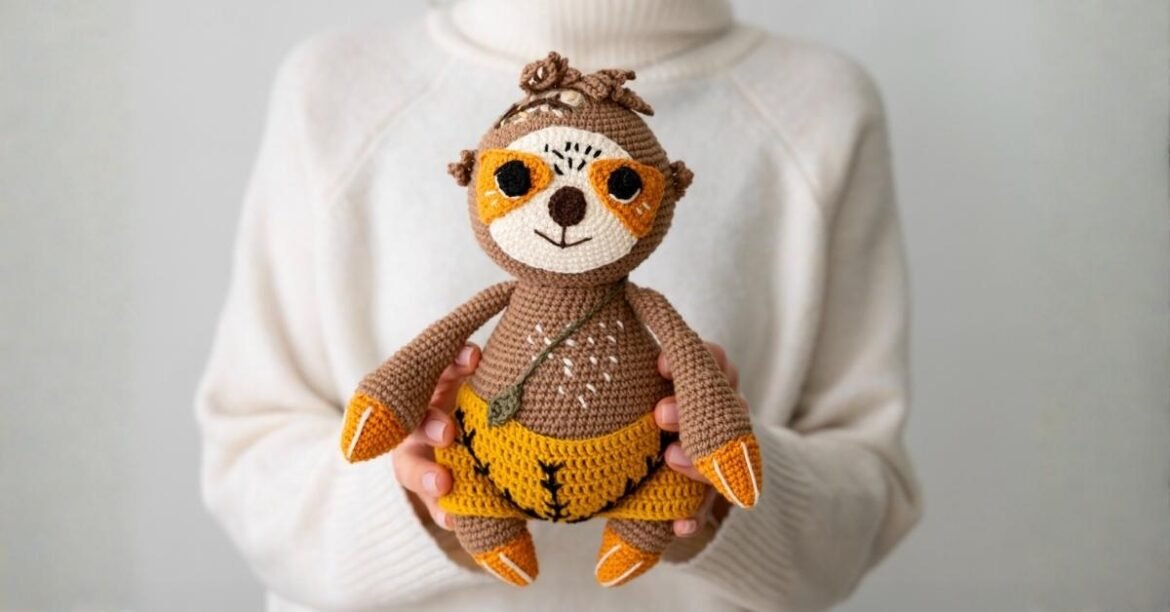
Crochet lion patterns for creating a king of the jungle today. Learn how to use soft yarn and simple stitches to make a beautiful handmade toy in this guide.
Introduction:
Beginning a new project like a crochet lion is a wonderful way to practice your amigurumi skills while making a charming gift for a child. This specific animal is a favorite among crafters because of its iconic mane and friendly face, which can be customized in many different ways. Most makers enjoy the process of seeing a simple ball of yarn transform into a courageous and very cuddly companion.
The secret to a successful crochet lion lies in selecting the right weight of yarn and the correct hook size to ensure your stitches are tight. This prevents the stuffing from showing through the fabric and gives the toy a professional and durable finish for many years of play. It is a rewarding hobby that allows you to create a high-quality heirloom that is much more special than a store-bought item.
When you start your crochet lion, consider the colors you want to use for the body and the contrasting texture of the thick mane. You can go for traditional golden tones or get creative with bright and modern colors to match a specific nursery theme or a child’s bedroom. Let us explore the best tips and creative ideas to help you achieve a stunning and very huggable plush lion.
Popular Yarn Choices for a Soft and Durable Plush Toy
The most traditional choice for a crochet lion remains a high-quality acrylic or a cotton-blend yarn in a warm and golden yellow shade. These fibers are excellent because they are easy to wash and hold their shape well even after being squeezed by a very excited young child. They provide a smooth surface that makes your stitches look neat and professional throughout the entire body.
For a more luxurious feel, try crocheting a lion from velvet or chenille yarn. These yarns work up very quickly and result in a larger toy that is perfect for cuddling during a quiet afternoon nap or a long car ride. These materials add a touch of high-end quality while maintaining a very cozy and approachable appearance for your project.
For a unique look, you can use a “fuzzy” or “eyelash” yarn specifically for the mane of your crochet lion to give it a realistic feel. This adds a massive amount of volume and personality to the head, making the lion look truly majestic and very impressive to everyone who sees it. It is a sophisticated choice for someone who wants to experiment with different textures and fiber types.
| Part of Lion | Recommended Yarn | Visual Impact |
| Main Body | Worsted Weight Cotton | Sharp stitch definition and very durable |
| Thick Mane | Brushed Acrylic or Mohair | Fluffy, textured, and incredibly realistic |
| Nose and Eyes | Embroidery Thread | Safe for infants and adds a soft expression |
| Tail End | Multi-strand Wool | Adds a fun and very tactile focal point |
Essential Tools for Successful Amigurumi Projects
The foundation of a great crochet lion starts with using a hook that is one or two sizes smaller than what the yarn label suggests. This creates a dense fabric that keeps the polyester fiberfill inside the toy where it belongs, even during the most active play sessions. Using an ergonomic hook will also help you stay comfortable during the several hours needed to finish your work.
Another key part of making a crochet lion is the use of safety eyes to give the toy its charming and very friendly personality. These plastic pieces lock into place from the back, ensuring they cannot be pulled out by curious little fingers during a busy day of play. They provide a professional finish that helps your handmade creation look like a high-end gift from a boutique.
Don’t forget the power of a long darning needle to sew the different parts of your crochet lion together with strong and invisible stitches. Taking your time during the assembly phase is what ensures the head and limbs are perfectly aligned and securely attached to the main body. This keeps the toy looking great and prevents any parts from becoming loose during its long and happy life.
Creative Ways to Style the Lion Mane
Incorporating a bold focal point into your crochet lion is usually done through the creation of a massive and very detailed mane. You can use the “loop stitch” to create a curly look or simply attach long strands of yarn and brush them out for a fluffy effect. Pairing this with a small felt crown can turn your project into a king of the jungle vibe.
Another great idea for a unique crochet lion is to use different shades of brown and orange in the mane for a very realistic and deep look. By mixing various colors of yarn, you create a natural appearance that catches the light beautifully and makes the face of the toy pop. Choosing a shade that matches the tail tip creates a very harmonious and balanced design for your plush.
For a baby-safe option, you can crochet a flat, ruffled mane for your crochet lion instead of using long strands of loose yarn. This provides a similar visual effect without any risk of fibers being pulled out by an infant during their early childhood and play. Always ensure the yarn is secured tightly and the stitches are very strong around the sensitive face and neck area.
- Fringe Technique: Cut equal lengths of yarn and knot them into the stitches for a very full and traditional lion mane.
- Brushed Style: Use a wire pet brush on acrylic yarn to create a soft and fuzzy texture that feels very organic.
- Stitched Loops: Crochet loops directly into the head for a durable mane that stays in place even after many washes.
- Color Blocking: Use alternating rows of colors to create a modern and very artistic pattern within the lion’s hair.
Why Stuffing Technique is Vital for Toy Shape
The success of your crochet lion depends heavily on how you distribute the stuffing throughout the head and the main body. You must always add small pieces of fiberfill at a time to avoid any lumps and to ensure the toy is firm but still soft. A well-stuffed head provides a solid base for the features and helps the lion stand or sit perfectly.
Stuffing the limbs of your crochet lion requires a bit of care to ensure they are flexible enough to move but firm enough to hold their shape. Before you sew the legs and arms on, leave a few inches of space at the top to allow for some movement. It is a simple step that improves the overall playability and the personality of your handmade animal every day.
Using a small amount of weighted pellets in the bottom of your crochet lion can help it sit upright on a nursery shelf or a table. This adds a professional weight to the toy and prevents it from tipping over, making it a beautiful piece of home decor as well. This ensures the lion remains a stable and clear focal point in any room for many years to come.
Your Skill Level and the Right Pattern
When you are browsing for new ideas for a crochet lion, check the difficulty rating to ensure the pattern matches your current experience. If you are a beginner, look for “no-sew” patterns or those that use simple geometric shapes to build the body and the head of the lion. These designs help to keep the project fun and very stress-free while you learn the basic techniques.
For those with more experience, advanced crochet lion patterns may include intricate shaping, detailed facial embroidery, and complex color changes. These items allow you to show off your skills and create a toy that is incredibly detailed and unique for a special celebration. It creates a one-of-a-kind gift that looks amazing in any type of display or collection.
A “chubby” or “round” crochet lion approach is very popular for those who love the “kawaii” style of amigurumi making. Look for patterns that emphasize large heads and small bodies to create a very cute and approachable look for your next project. Taking care of the proportions is the first step toward a beautiful and very lovable handmade plush toy.
Concluding Steps to Perfect Your Handmade Toy
The last step in your journey toward a perfect crochet lion is checking the face for any uneven stitches or loose ends that need hiding. A small amount of pink blush on the cheeks is the most honest way to add a bit of life and character to your lion. If a section looks a bit flat, you can use your needle to move the stuffing around perfectly.
Consider the longevity of the crochet lion by using a high-quality embroidery thread for the nose and the mouth instead of plastic parts. This simple change makes the toy much safer for young babies and gives the face a soft and classic look that is very charming. This allows you to feel confident and ready to gift your creation for any spontaneous birthday or party.
Most importantly, let the crochet lion be a reflection of the heart and the time you put into your creative hobby at home. There are no strict rules in art, so feel free to experiment with different sizes and accessories like a small scarf or a hat. A truly successful project is one that makes you and the lucky recipient feel a sense of joy and pride.
Conclusion
Mastering a beautiful crochet lion is a rewarding process that enhances your crafting confidence and your personal skill set today. By focusing on tension, the right tools, and a fluffy mane, you can create a stunning and healthy plush toy. Remember that amigurumi is a journey of exploration and finding the techniques that work best for you.
Start with simple shapes and a golden yellow yarn to see how your first lion comes to life in your hands. Over time, you can build upon these ideas to create the professional crochet lion you have always wanted for your shop or your family. Your crochet hook is your magic wand, so enjoy the creative process of making your very own king of the jungle.
We hope these tips inspire you to pick up your hook and enjoy the artistic side of your afternoon crafting routine. A polished and stylish handmade toy is within your reach with just a little bit of practice and a lot of heart. Happy stitching as you turn your yarn into a beautiful and lasting expression of your unique and wonderful creative spirit.
FAQs
How long does it take to make a crochet lion?
A standard crochet lion of about ten inches usually takes between six and ten hours depending on your speed and the detail. If you are preparing for a major gift and choosing a very large or a very detailed mane, you may want to allow fifteen hours. Planning your sessions in advance can help you save time and achieve a more consistent result for your toy.
What is the best way to attach the mane for the lion?
To attach the mane for your crochet lion, many crafters prefer the “lark’s head knot” technique to pull strands of yarn through the stitches. This method is very secure and allows you to add a lot of volume quickly without needing to sew each strand individually. It is a highly effective way to create a dense and beautiful hair effect for your kingly feline.
Can I make a crochet lion for a newborn baby?
Yes, you can absolutely create a crochet lion for a newborn by using embroidered eyes instead of plastic safety eyes to avoid a choking hazard. Choose a soft cotton yarn that is gentle on the skin and avoid any loose “hairy” yarns for the mane that could shed during play. It is a very thoughtful and safe gift that a child will cherish for a lifetime.
How do I prevent my crochet lion from leaning to one side?
To prevent your crochet lion from leaning, ensure that the stuffing is distributed evenly and that the limbs are sewn on symmetrically. You can use pins to hold the parts in place before you sew to check the balance of the toy from every angle. This small step ensures your lion stands or sits perfectly and looks professionally styled from every side.
What are the best colors for a modern crochet lion?
The best colors for a modern crochet lion include a pale cream body with a mustard yellow mane or even a cool grey and navy blue theme. Using a neutral palette can make the toy fit perfectly into a contemporary home or a stylish and minimalist nursery design. These shades enhance the artistic look and provide a beautiful and very trendy feel for your work.
Visit our other articles also;