

Discover how to get clear skin with derm-approved tips and key ingredients that truly What is the timeframe for getting clear skin? transform your complexion fast.
Introduction
Clear, healthy skin is something almost everyone wants — but knowing exactly how to get clear skin can feel overwhelmingly confusing. With thousands of products and conflicting advice pulling you in every direction, it is easy to feel lost before you even start.
The truth is that how to get clear skin does not require an expensive 10-step routine or a cabinet full of products. What it does require is the right knowledge, the right ingredients, and consistent daily habits that dermatologists recommend again and again for real, lasting results.
In this guide, you will discover 12 powerful, evidence-backed tips on how to get clear skin — covering skincare routines, lifestyle changes, and expert advice from CeraVe, Samitivej Hospital dermatologists, the Mayo Clinic, and the American Academy of Dermatology.
What Causes Breakouts in the First Place
Before understanding how to get clear skin, it helps to know what causes skin to break out. According to the Mayo Clinic, the four main causes of acne are excess sebum production, clogged hair follicles, bacteria, and inflammation in the skin. These causes can be triggered or worsened by stress, hormonal changes, high humidity, certain medications, and lifestyle choices.
Acne is one of the most common skin conditions globally, affecting an estimated 9.4% of the world’s population according to research published in the British Journal of Dermatology. Approximately 85% of people aged 18 to 24 experience some form of acne during their lives. Understanding these root causes is the essential first step in knowing how to get clear skin in a way that actually lasts.
One important myth to address immediately: Greasy food and chocolate do not directly cause acne. According to CeraVe and board-certified dermatologist Dr. Ted Lain, this is a widely believed misconception with no strong scientific support. The real causes are biological and hormonal — not Friday night pizza.
Step 1: Cleanse Your Face Gently Every Day
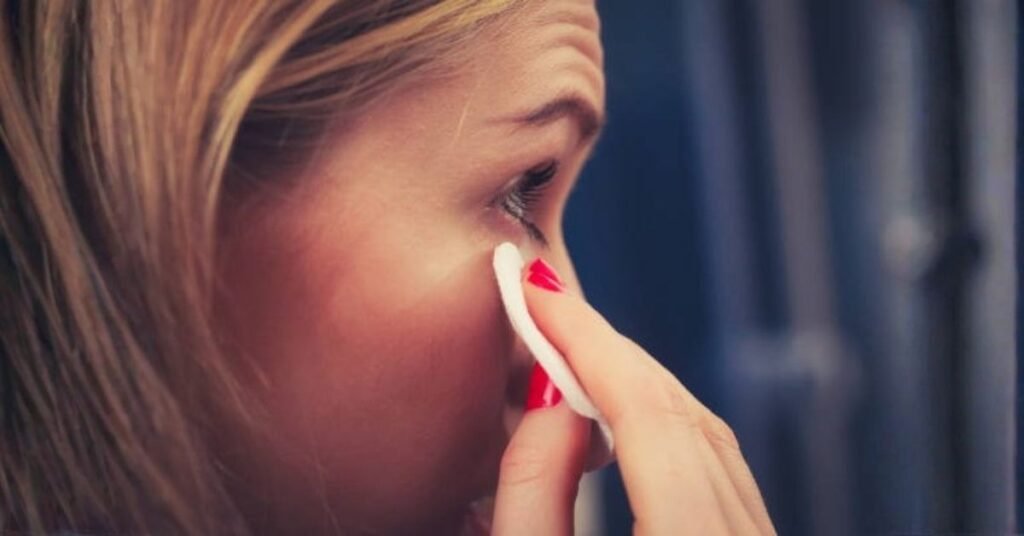
The very first step in how to get clear skin is keeping your face genuinely clean. When dirt, excess oil, dead skin cells, and bacteria accumulate on the skin’s surface, they block pores and trigger breakouts that could have been entirely prevented with a consistent daily cleanse.
According to Dr. Sinijchaya Sahawatwong of Samitivej Hospital, the right cleanser should offer a thorough but gentle clean that does not cause dryness or irritation. She specifically recommends avoiding synthetic fragrances, which are a common trigger for redness and inflammation in many skin types. CeraVe recommends cleansing both morning and evening as the non-negotiable foundation of any routine focused on how to get clear skin effectively.
CeraVe’s Acne Foaming Cream Cleanser with 4% benzoyl peroxide is formulated to dissolve excess oil and kill acne-causing bacteria while protecting the skin’s barrier thanks to ceramides, hyaluronic acid, and niacinamide. Consistent cleansing is one of the most fundamental answers to how to get clear skin without spending a fortune.
Step 2: Exfoliate Once or Twice a Week
Removing dead skin cells is a critical but often overlooked step in how to get clear skin. Dead cells accumulate on the surface and mix with sebum to block pores, creating the perfect environment for blackheads, whiteheads, and acne to develop and worsen over time.
Dr. Sahawatwong recommends using a gentle scrub no more than once or twice a week to remove dead cells and stimulate fresh new ones. She advises choosing products with small, smooth beads that exfoliate effectively without causing microscopic tears that worsen inflammation. Harsh scrubs with large or jagged particles should always be avoided by anyone on the path to how to get clear skin.
An excellent alternative is a chemical exfoliant containing low concentrations of fruit acids like glycolic or lactic acid, applied before bed once or twice a week. Chemical exfoliants gently dissolve the bonds between dead skin cells without physically scrubbing, making them a gentler and often more effective option for reactive or acne-prone skin types.
Step 3: Choose the Right Skincare Ingredients
Knowing how to get clear skin means knowing which ingredients actually work. The skincare market is full of trendy products — but a small number of proven, research-backed ingredients do the real work of clearing and maintaining your complexion consistently over time.
According to Dr. Sahawatwong, the most effective ingredients for clearer skin include Vitamin C (Ethyl Ascorbic Acid, Ascorbyl Glucoside), Vitamin B-3 or niacinamide, and brightening agents like arbutin, kojic acid, tranexamic acid, and licorice extract. These ingredients even skin tone, reduce dark spots, and calm inflammation for a visibly clearer result. Here is a quick reference guide:
| Ingredient | What It Does | Best For |
| Benzoyl peroxide | Kills acne-causing bacteria | Active pimples and breakouts |
| Salicylic acid | Unclogs pores by dissolving oil and dead cells | Blackheads and whiteheads |
| Niacinamide | Calms redness, regulates oil, repairs barrier | All acne-prone skin types |
| Retinol | Resurfaces skin, reduces post-acne marks | Acne scars and uneven texture |
| Hyaluronic acid | Attracts and locks in moisture | All skin types, including oily |
| Ceramides | Restore the protective skin barrier | Dry or compromised skin |
| Vitamin C | Brightens and fades dark spots | Hyperpigmentation and dullness |
CeraVe builds its acne routine around ceramides, hyaluronic acid, and niacinamide, working in synergy with benzoyl peroxide and salicylic acid as the two most derm-recommended actives for treating existing breakouts. These are the core building blocks of how to get clear skin through targeted ingredient-driven skincare.
Step 4: Moisturize Even If Your Skin Feels Oily
One of the biggest mistakes people make when learning how to get clear skin is skipping moisturizer because their skin feels oily. This actually makes acne significantly worse and is one of the most counterproductive habits anyone can develop in their skincare routine.
CeraVe explains that when skin becomes too dry from harsh treatments or skipping moisturizer, it compensates by overproducing sebum. That extra oil is exactly what clogs pores and creates the new breakouts you are trying to prevent. Daily moisturizing — morning and night — is essential to how to get clear skin, not optional.
Always choose a non-comedogenic formula designed specifically for acne-prone skin. CeraVe’s AM and PM Facial Moisturizing Lotions contain ceramides, hyaluronic acid, and niacinamide and are specially formulated to deeply hydrate without blocking a single pore throughout the day or night.
Step 5: Never Skip Sunscreen
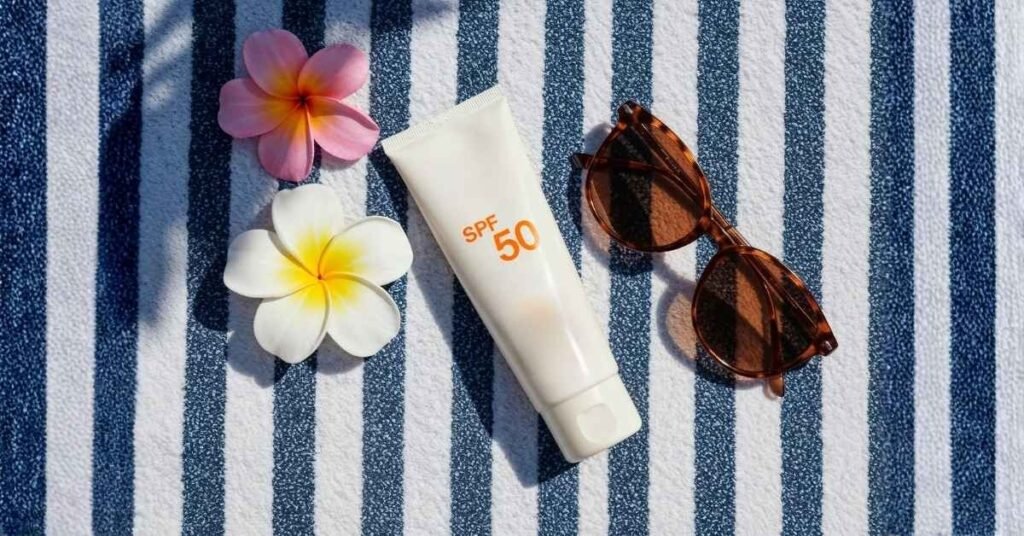
Sunscreen is one of the most underused tools in how to get clear skin. UV exposure worsens dark spots left by healed pimples, breaks down collagen, and increases skin inflammation that triggers and prolongs breakouts. Without daily SPF, even the best routine will be significantly undermined over time.
Dr. Sahawatwong recommends applying sunscreen with at least SPF 30 and a PA+++ rating every time you go outside. This is especially important when using active ingredients like retinol or salicylic acid, which remove the outermost layer of dead skin cells and leave fresh new skin far more vulnerable to UV damage and post-acne pigmentation that deepens without daily protection.
CeraVe specifically highlights daily broad-spectrum sunscreen as a crucial step in any acne routine — not just for anti-aging purposes but to protect newly treated skin and prevent dark spots from forming and deepening after breakouts heal. Sunscreen is a non-negotiable daily habit for anyone serious about how to get clear skin for the long term.
Step 6: Add Retinol to Your Night Routine
Retinol is one of the most researched and most effective ingredients for anyone who wants to know how to get clear skin and maintain results long-term. It accelerates the skin’s natural cell turnover, meaning dead cells shed more quickly, pores stay cleaner, and skin texture becomes noticeably smoother over consistent use.
CeraVe recommends incorporating a retinol serum into the evening skincare routine to address post-acne marks, enlarged pores, and uneven texture. Their Resurfacing Retinol Serum combines encapsulated retinol with licorice root extract, niacinamide, and ceramides to resurface skin gently without damaging the barrier. Start with two or three applications per week and build up to nightly use as your skin adjusts to the ingredient.
Always apply retinol on clean, dry skin before moisturizer and follow with SPF the next morning to protect newly resurfaced skin. Retinol is a genuinely transformative step in how to get clear skin and reduce the post-acne marks that linger long after breakouts have healed completely.
Step 7: Live a Skin-Healthy Lifestyle
No skincare routine alone can fully deliver on how to get clear skin if your daily lifestyle habits are working against your skin from the inside. The skin reflects what is happening inside the body, and what you eat, drink, and how you sleep makes a profound difference to your complexion every single day.
Dr. Sahawatwong recommends drinking 6 to 8 glasses of water daily, eating a diet rich in antioxidant-packed fruits and vegetables, sleeping before midnight consistently, and exercising for at least 30 minutes each day. These habits help maintain hormonal balance, reduce inflammation throughout the body, and support the skin’s natural overnight repair processes that are essential to how to get clear skin sustainably and long-term.
Stress management is equally important. The Mayo Clinic confirms that stress triggers the release of cortisol and hormones that increase sebum production and worsen inflammation in acne-prone skin. Exercise, adequate sleep, deep breathing, and time outdoors are all evidence-backed methods for reducing the chronic stress that quietly aggravates breakout-prone skin day after day.
Step 8: Stop Touching Your Face and Picking Pimples
This sounds simple, but it is one of the most impactful pieces of advice on how to get clear skin that most people completely ignore. Every time you touch your face with unwashed hands, you transfer bacteria, dirt, and oil directly onto your skin and into already vulnerable pores that are trying to heal.
Research shows the average person touches their face over 20 times per hour without realizing it. Each touch deposits contaminants that worsen existing blemishes and trigger new ones in areas that were previously clear. Breaking this unconscious habit is one of the fastest, most cost-free improvements anyone can make on the journey to how to get clear skin without buying a single new product.
The Mayo Clinic explicitly warns against squeezing or scrubbing pimples, as this worsens inflammation, spreads bacteria to surrounding pores, and significantly increases the risk of permanent post-acne scarring that is often far harder to treat than the original breakout itself ever was.
Step 9: Keep Your Pillowcase and Phone Screen Clean
Two of the most overlooked causes of recurring breakouts are dirty pillowcases and unwashed phone screens — both of which come into direct contact with your face every single day for extended periods of time.
Pillowcases absorb sebum, dead skin cells, hair products, and bacteria every night. Sleeping on the same unwashed pillowcase for a full week means pressing your face into a concentrated layer of everything your skin was trying to shed overnight. Washing pillowcases at least once a week is a simple but genuinely effective habit for how to get clear skin around the cheeks and jaw, where contact is most prolonged.
Your phone screen is equally problematic. You touch it hundreds of times daily with hands that have been everywhere — then press it directly against your cheek during calls. Wiping your phone screen with an antibacterial wipe daily takes seconds but can noticeably reduce the jawline breakouts that dermatologists call phone acne, which is far more common than most people realize or expect.

Step 10: Build Your Complete Daily Skincare Routine
Now that you understand the key principles of how to get clear skin, here is how to put it all together into a complete daily routine you can start using immediately. This structure is built on dermatologist guidance from CeraVe and Samitivej Hospital and covers every essential step.
Morning Routine:
- Gentle cleanser with benzoyl peroxide or a mild foaming cleanser
- Niacinamide or Vitamin C serum to brighten and protect the skin
- Non-comedogenic moisturizer with hyaluronic acid and ceramides
- Broad-spectrum SPF 30 or higher is the non-negotiable final step
Evening Routine:
- Gentle cleanser to remove sunscreen, oil, and daily buildup
- Retinol serum two to three nights per week to resurface skin
- Salicylic acid toner on non-retinol nights to keep pores clear
- Non-comedogenic night moisturizer with ceramides and niacinamide
Consistency is the most important variable in how to get clear skin through any routine. Give every new product and routine a minimum of 6 to 8 weeks before evaluating results, and track your progress with weekly photos in consistent lighting.
Conclusion
How to get clear skin is a question with a real, achievable answer for almost everyone. It does not require complicated steps or an expensive arsenal of products — it requires consistency, the right ingredients, and lifestyle habits that support your skin from the inside and outside simultaneously every single day.
Start with the basics — a gentle cleanser, a good moisturizer, and daily sunscreen. Add proven actives like niacinamide, retinol, and salicylic acid as your skin adjusts. Support your routine with water, sleep, nutrition, and stress management. And if over-the-counter products are not delivering results after 8 to 12 weeks of genuine consistency, consult a board-certified dermatologist for personalized guidance. Clear skin is absolutely within reach — and this guide gives you everything you need to start today.
Frequently Asked Questions (FAQs)
Q1: What is the timeframe for getting clear skin?
Most dermatologists recommend giving any new routine at least 6 to 8 weeks before evaluating results. Skin can temporarily worsen before improving — known as purging. Consistency is the single most important factor in how to get clear skin successfully over time.
Q2: What is the best daily routine for how to get clear skin?
The best routine includes a gentle cleanser morning and night, a non-comedogenic moisturizer, daily SPF, and actives like niacinamide, salicylic acid, or benzoyl peroxide. Adding retinol in the evening helps with texture and post-acne marks over consistent use.
Q3: Does diet affect how to get clear skin?
Diet influences skin health, but the relationship is complex. A diet rich in antioxidants, healthy fats, and good hydration supports a clearer complexion. Contrary to popular belief, greasy food and chocolate are not proven direct causes of breakouts according to board-certified dermatologists.
Q4: Should I moisturize if I have oily or acne-prone skin?
Absolutely. Skipping moisturizer worsens oily skin because dry skin compensates by overproducing sebum, which clogs pores and triggers breakouts. Choose a lightweight, non-comedogenic moisturizer with hyaluronic acid and ceramides to hydrate without blocking pores at all.
Q5: When should I see a dermatologist about how to get clear skin?
If your skin has not improved meaningfully after 8 to 12 weeks of consistent skincare, see a board-certified dermatologist. Cystic, hormonal, and nodular acne typically require prescription treatments that over-the-counter products alone cannot fully address, regardless of how consistently or carefully you apply them.

With over 5 years of hands-on experience in the creative arts, I have turned my passion for DIY and home styling into a mission to inspire others. As the lead creator at UnboxTreats, I specialize in the fine details of paper crafting, yarn work, and artisanal candle making. I test every craft and decor trend to ensure you get only the most reliable and creative advice for your home.